Article | American Art Auction New York July 2026
Visions of a Nation
Our upcoming Modern & Contemporary Art auction in New York makes sense of a visual culture as diverse as it is enduring.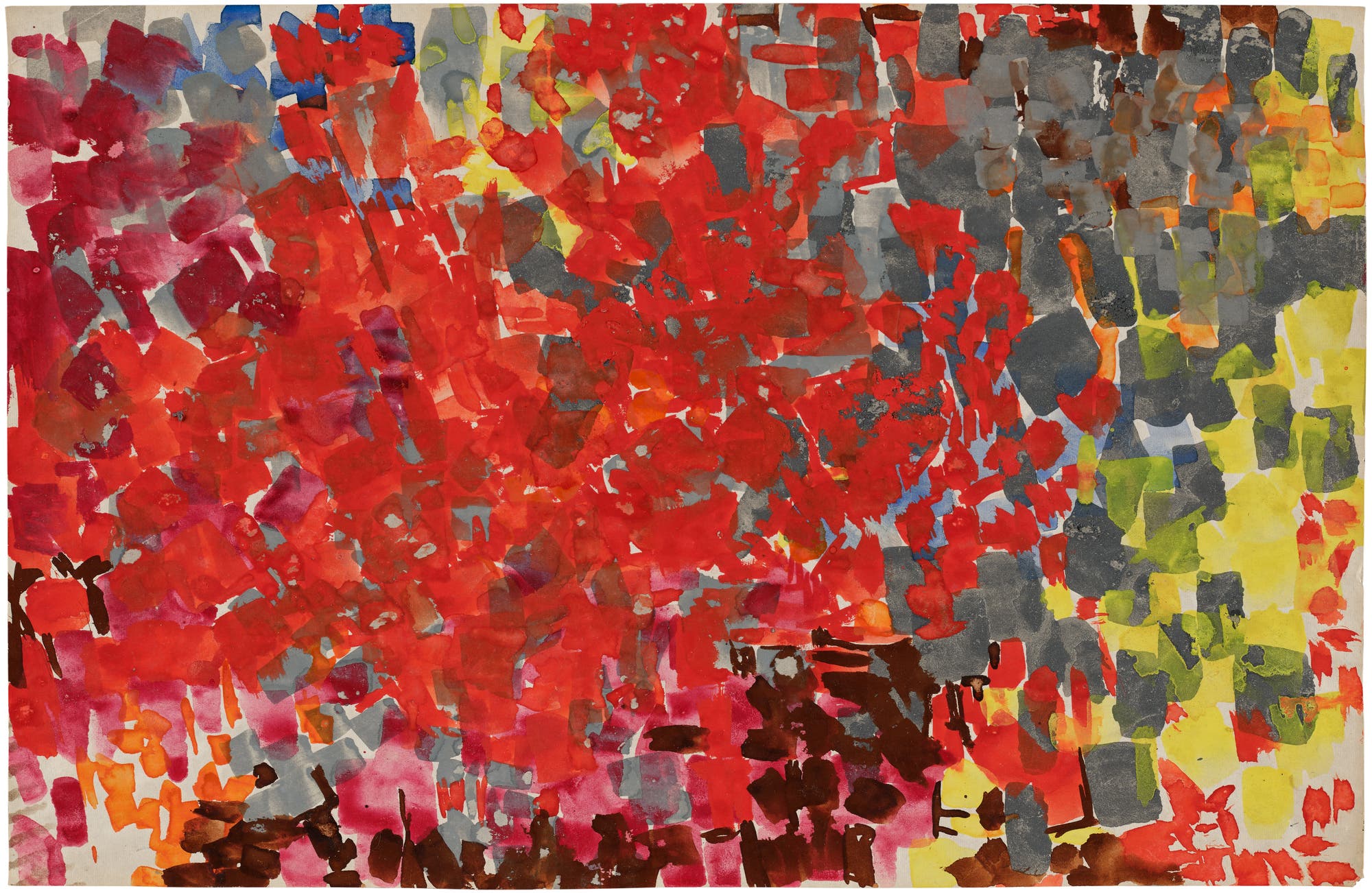
Lynne Drexler, Paper Work #187, 1959. Modern & Contemporary Art New York.
As the nation reflects on America’s 250th anniversary, we find ourselves looking back at the visual culture that has mirrored, challenged, and defined our culture. Fittingly, our upcoming Modern & Contemporary Art auction in New York offers a selection of artworks that can serve as a mini survey of the incredible scope of the nation’s artistic output, spanning nearly a century of creative evolution. Far from the most predictable images, these works reward a closer look and offer that rare, deeper level of discovery continually sought by both seasoned collectors and passionate art lovers alike.
So beat the heat, get out of the house, and discover these works and more at Phillips’ 432 Park Avenue gallery — on view through 16 July.
American Abstract Expressionism
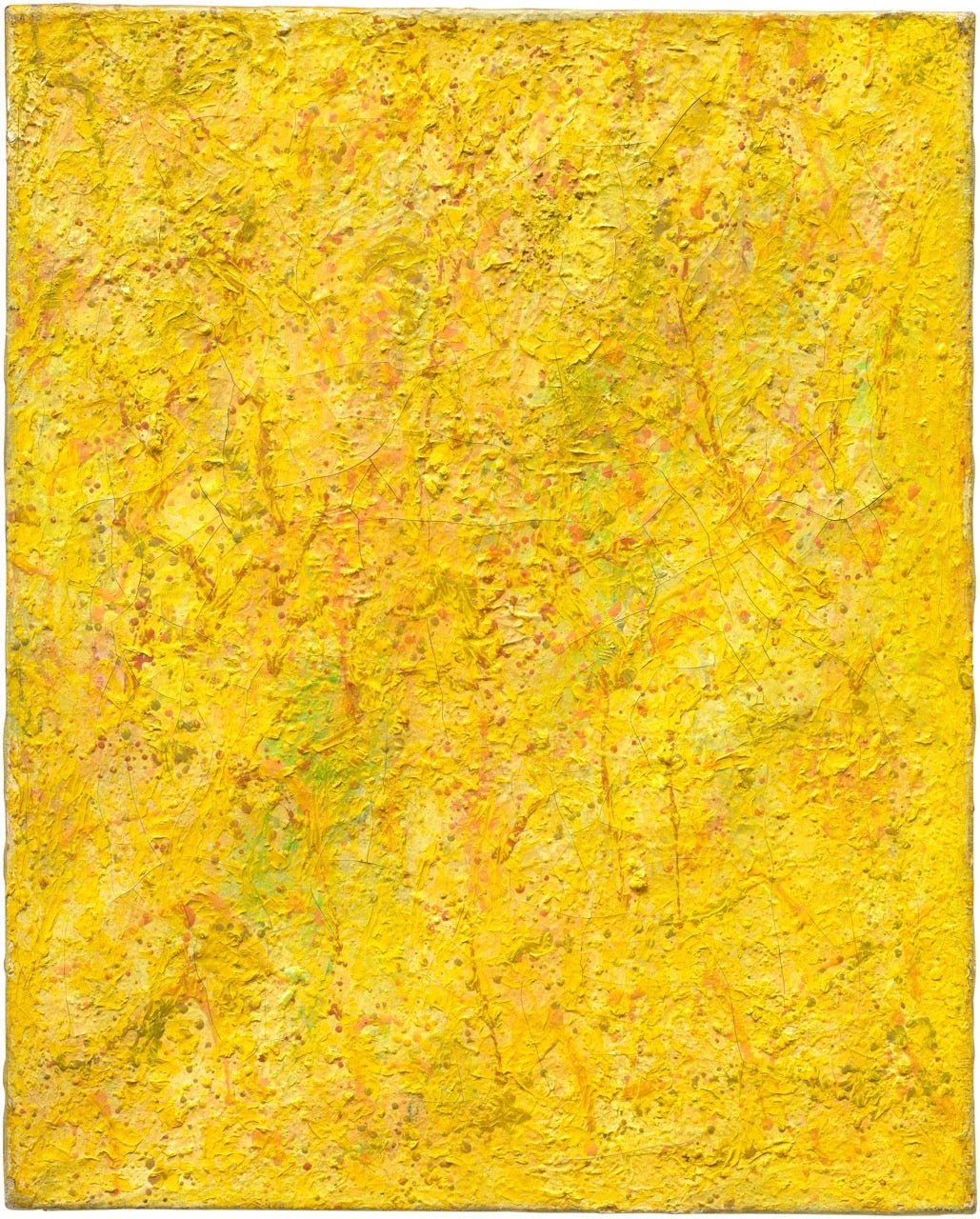
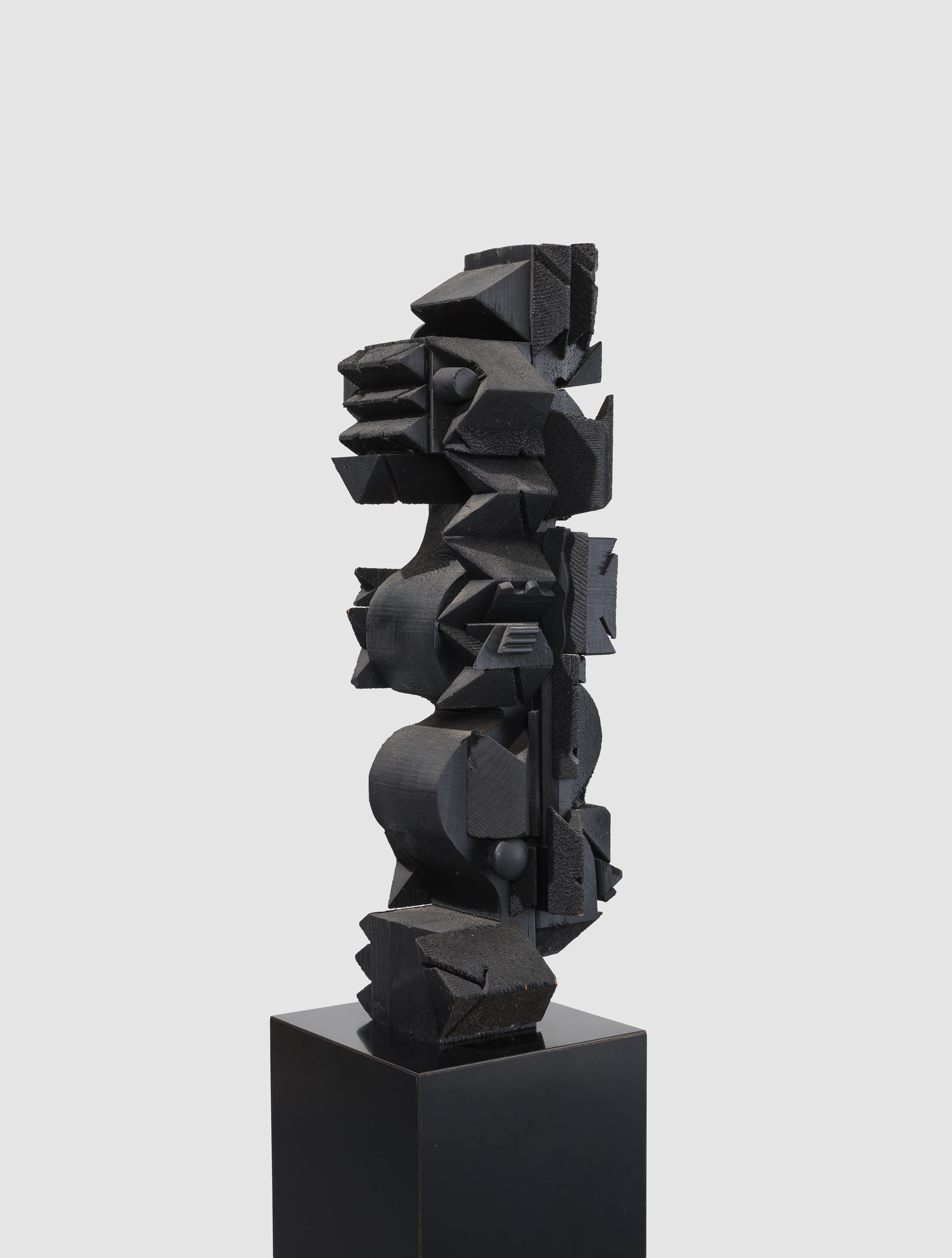
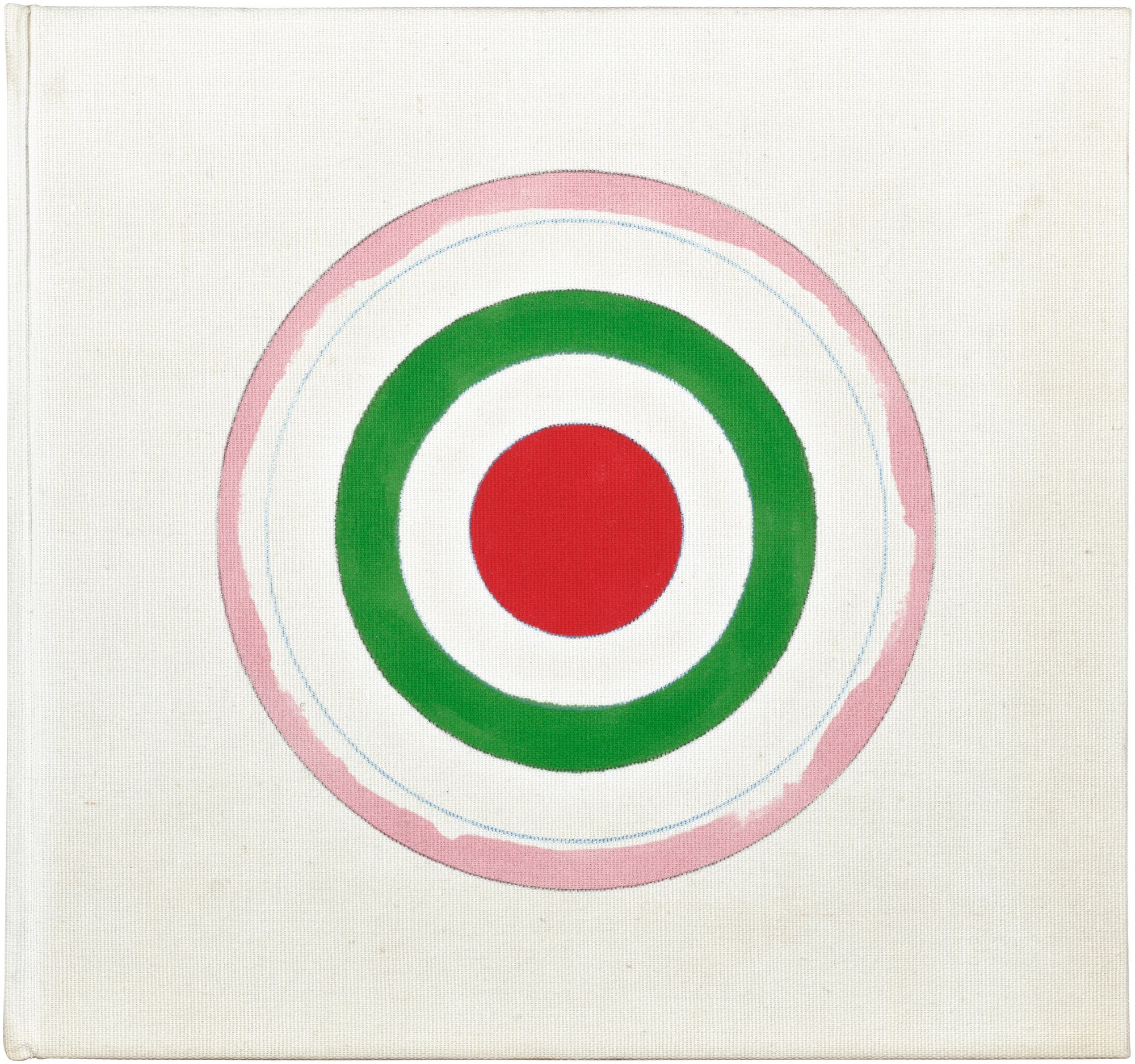
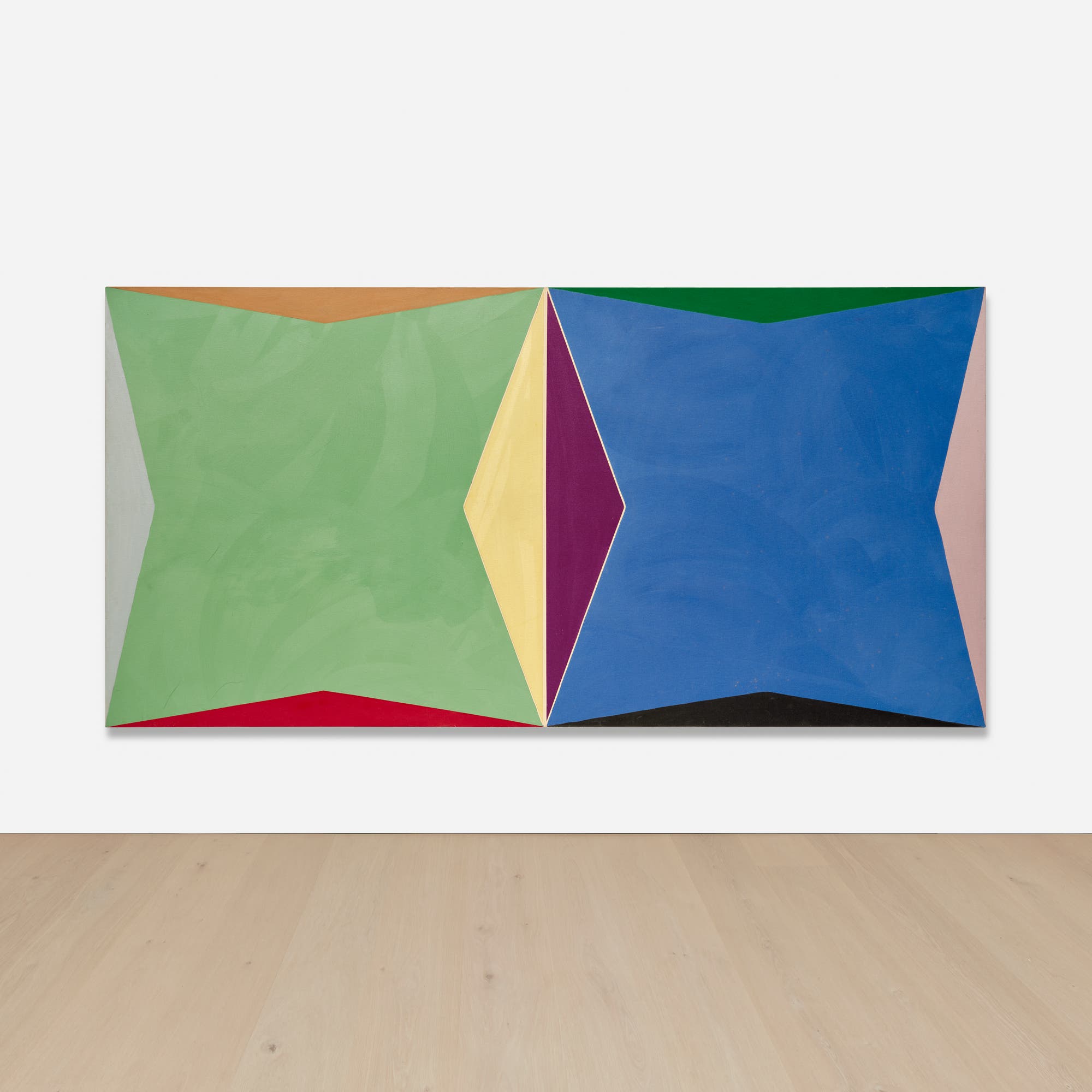
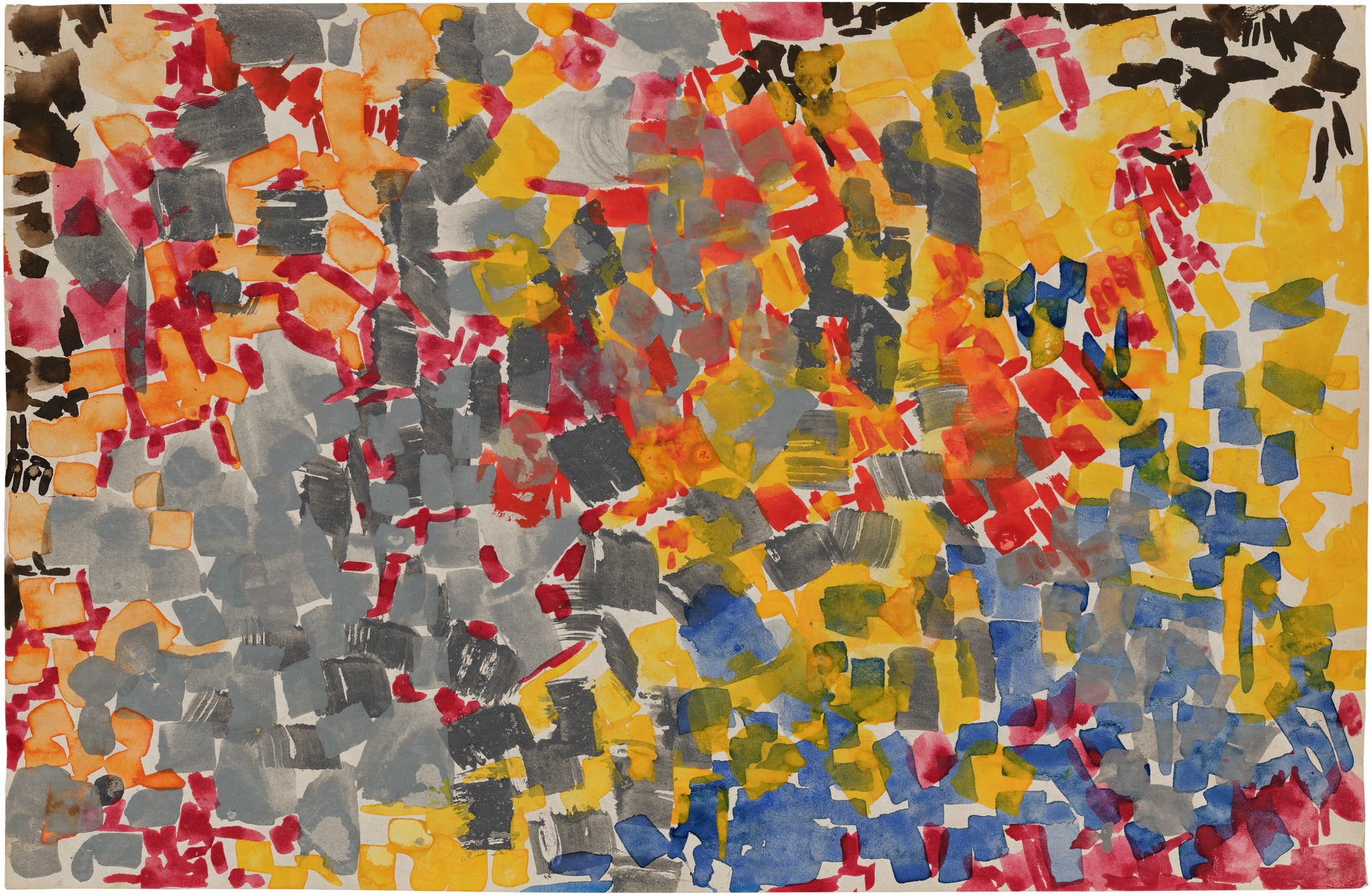
Vivian Springford, Untitled, 1972. Modern & Contemporary Art New York.
In the decades following World War II, American Abstract Expressionism shifted the epicenter of the international art world from Paris to New York, where artists were exploring a radical embrace of non-representational form and raw emotional immediacy.
These works highlight the movement’s vast, non-monolithic nature, bridging the rhythmic, color-saturated canvases of Lynne Drexler, Vivian Springford, and Beauford Delaney with the hard-edged, geometric lyricism of Kenneth Noland and Larry Zox. Alongside these painterly explorations, Louise Nevelson’s monochromatic assemblages redefined sculpture by transforming found wooden objects into profound, shadowy landscapes of the subconscious. Together, these artists look beyond the visible world, utilizing gesture, color, and structure to capture the turbulent, expressive spirit of a transformative modern era.
Pop’s Impact
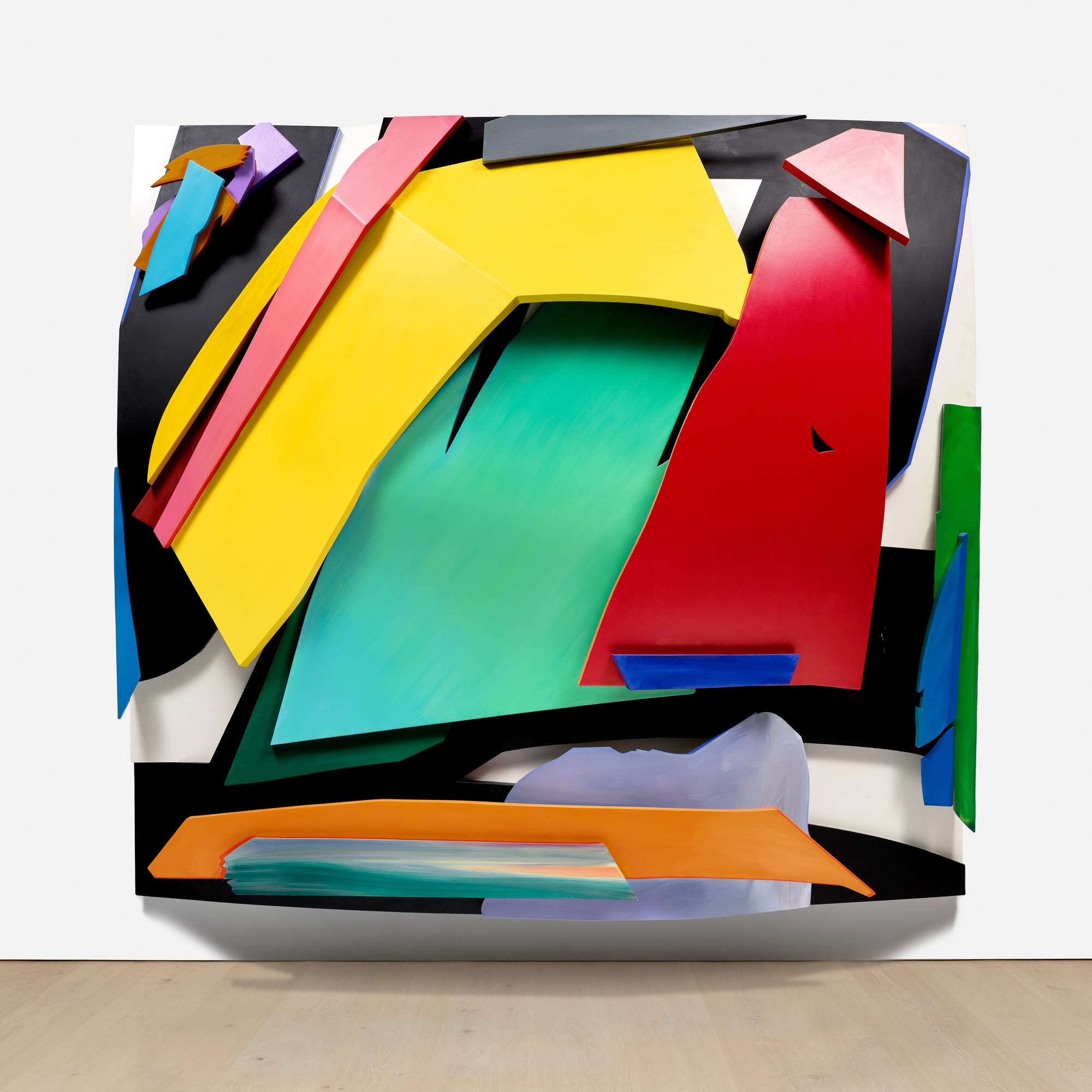
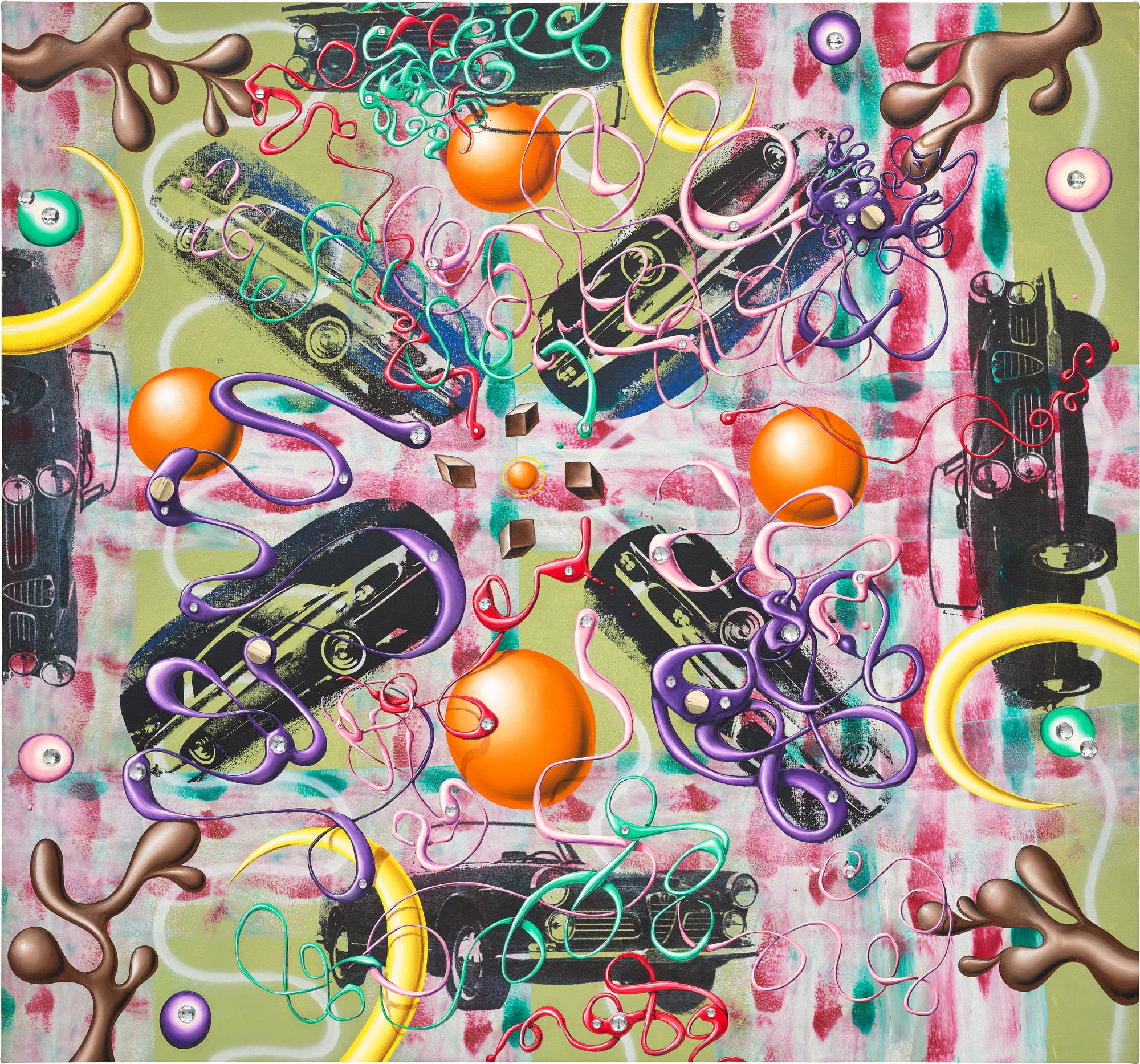
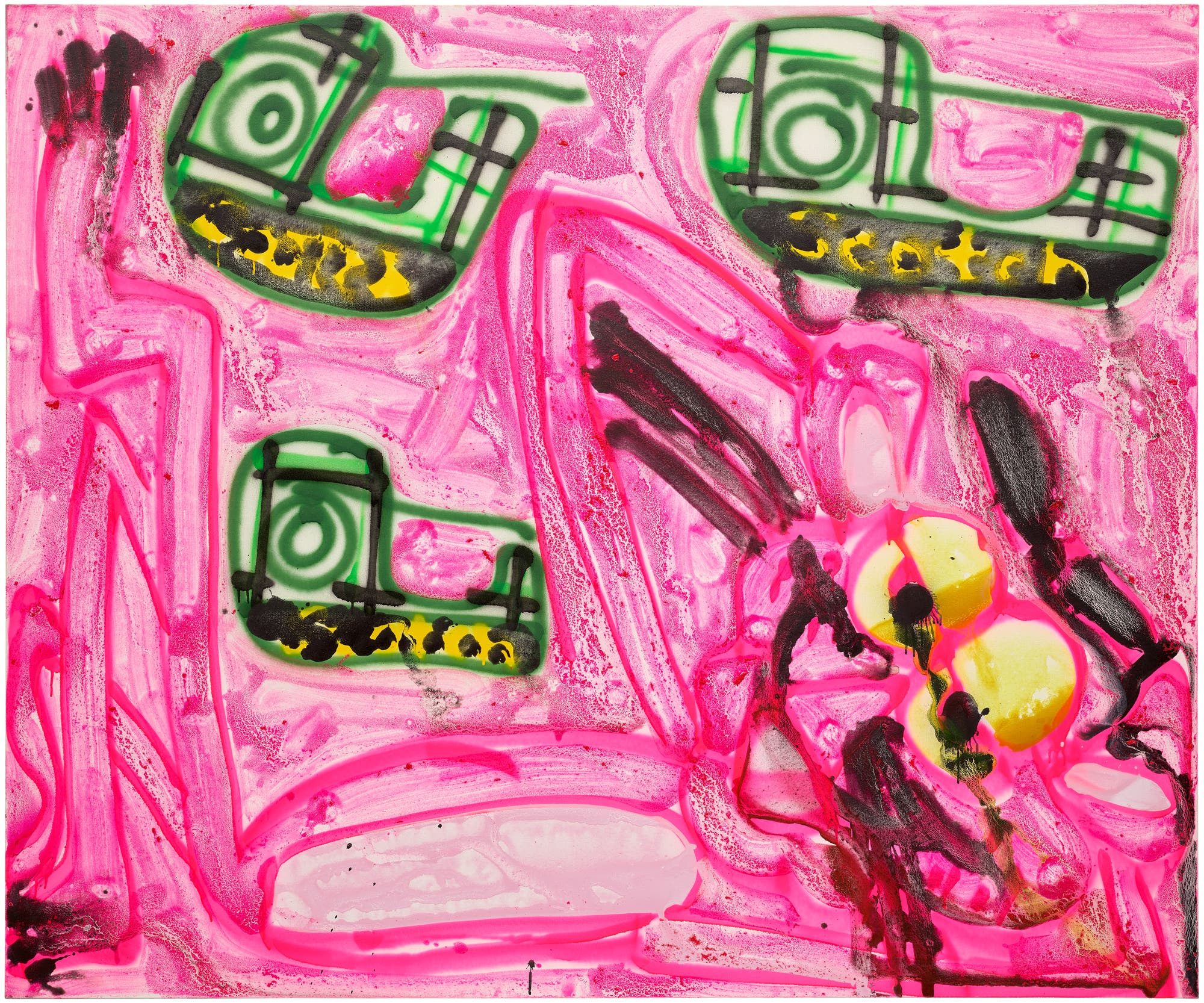
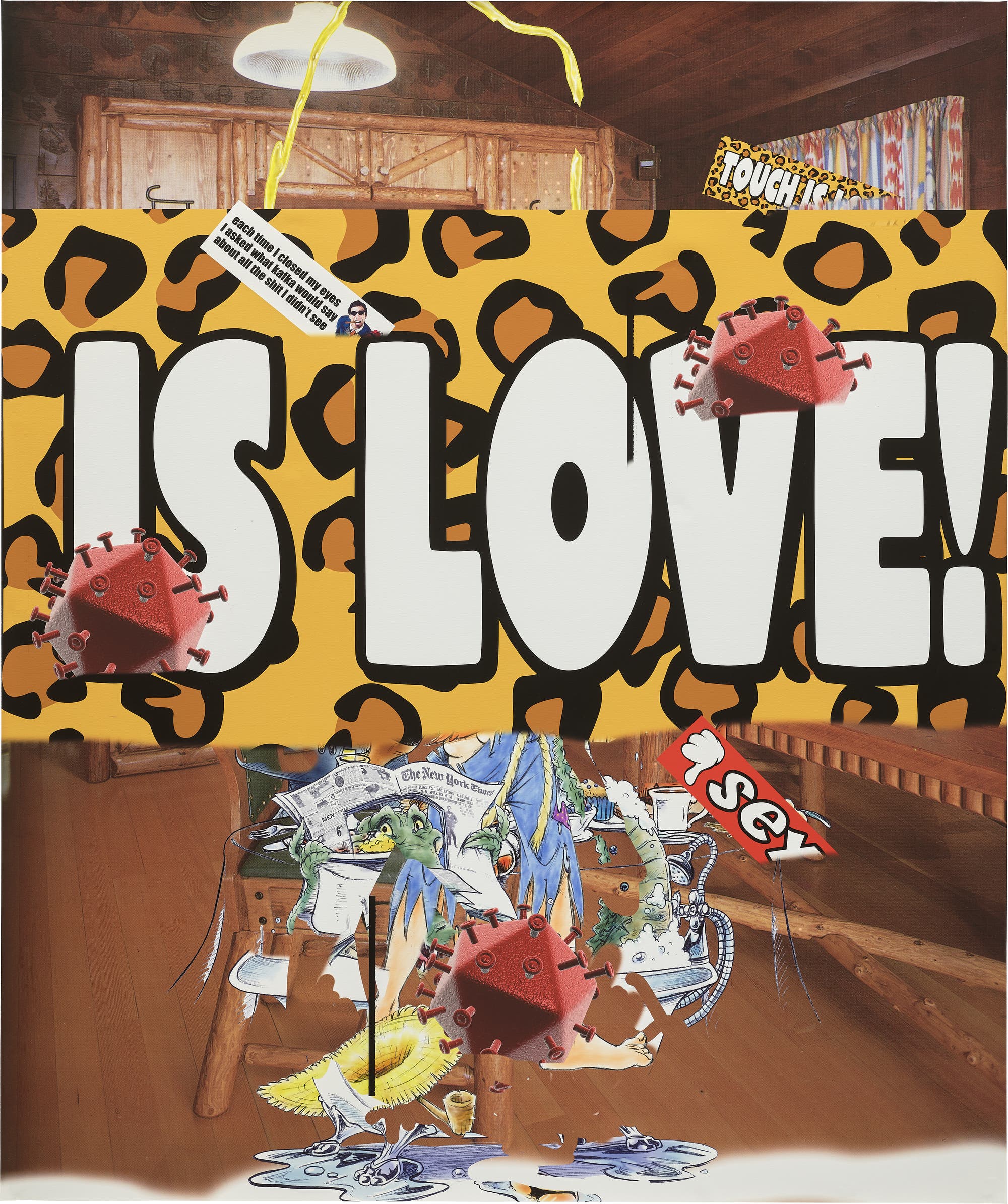
Tom Wesselmann, Cross Motion II, 2000–2002. Modern & Contemporary Art New York.
Emerging in the mid-20th century as a defiant embrace of consumer culture, mass media, and the everyday, Pop Art permanently dissolved the boundaries between high art and commercial life. This grouping traces that enduring lineage, but goes beyond the obvious.
Tom Wesselmann’s late abstract work Cross Motion II, boldly shows an elder stateman of Pop working at a time when younger generations were expanding the movement’s vernacular. Though not strictly considered Pop artists themselves, Kenny Scharf and Katherine Bernhardt carry the torch, fusing cosmic street art and hyper-saturated, everyday iconography into vibrant, chaotic critiques of modern excess. Bringing the trajectory into the digital age, Jordan Wolfson’s Untitled skillfully confronts the unsettling realities of contemporary media saturation with a positive message. Collectively, these artists mirror the hyper-stimulating landscape of American consumerism, reflecting back at us both its seductive brilliance and resulting anxieties.
American Postwar Figuration
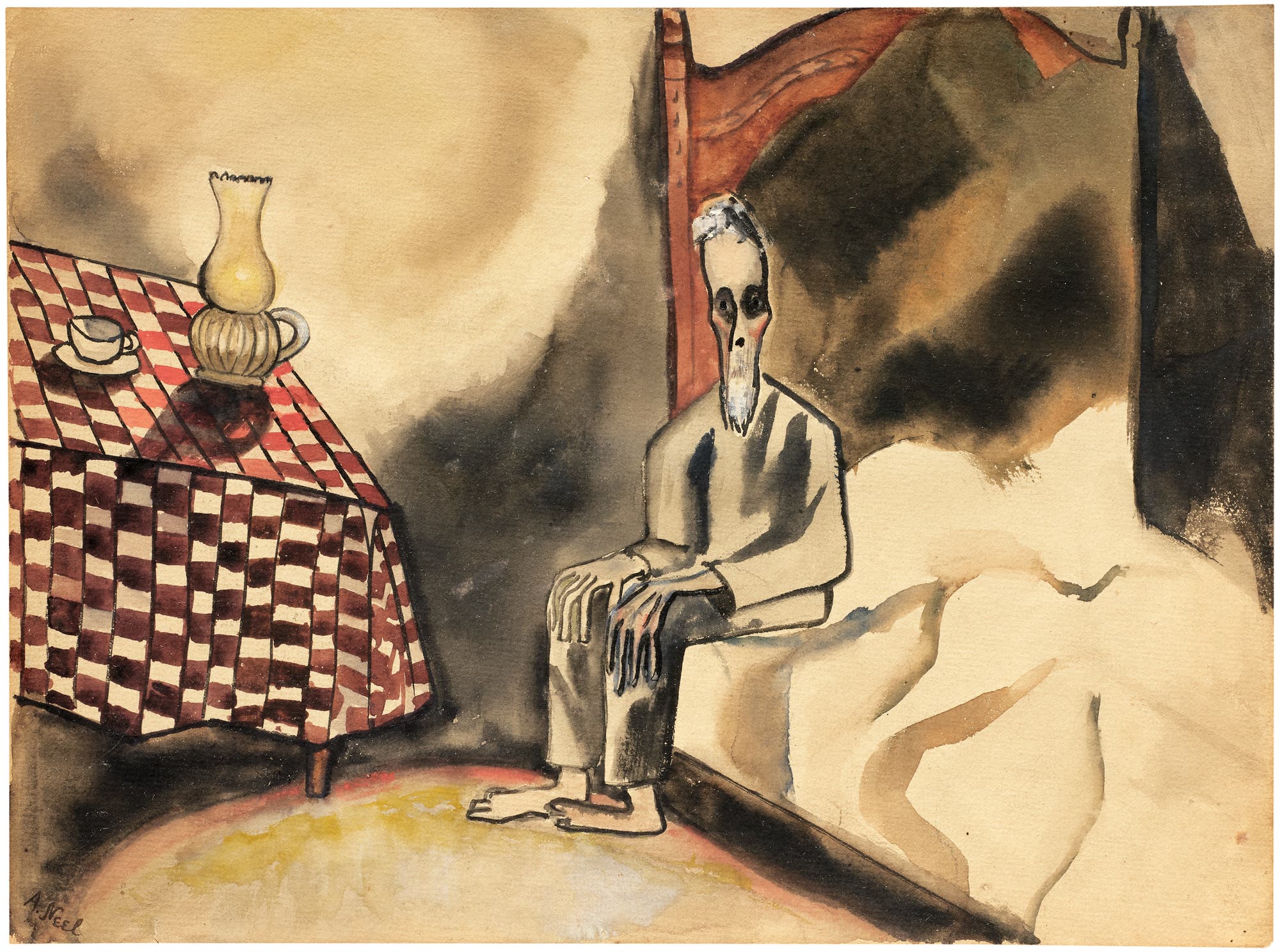
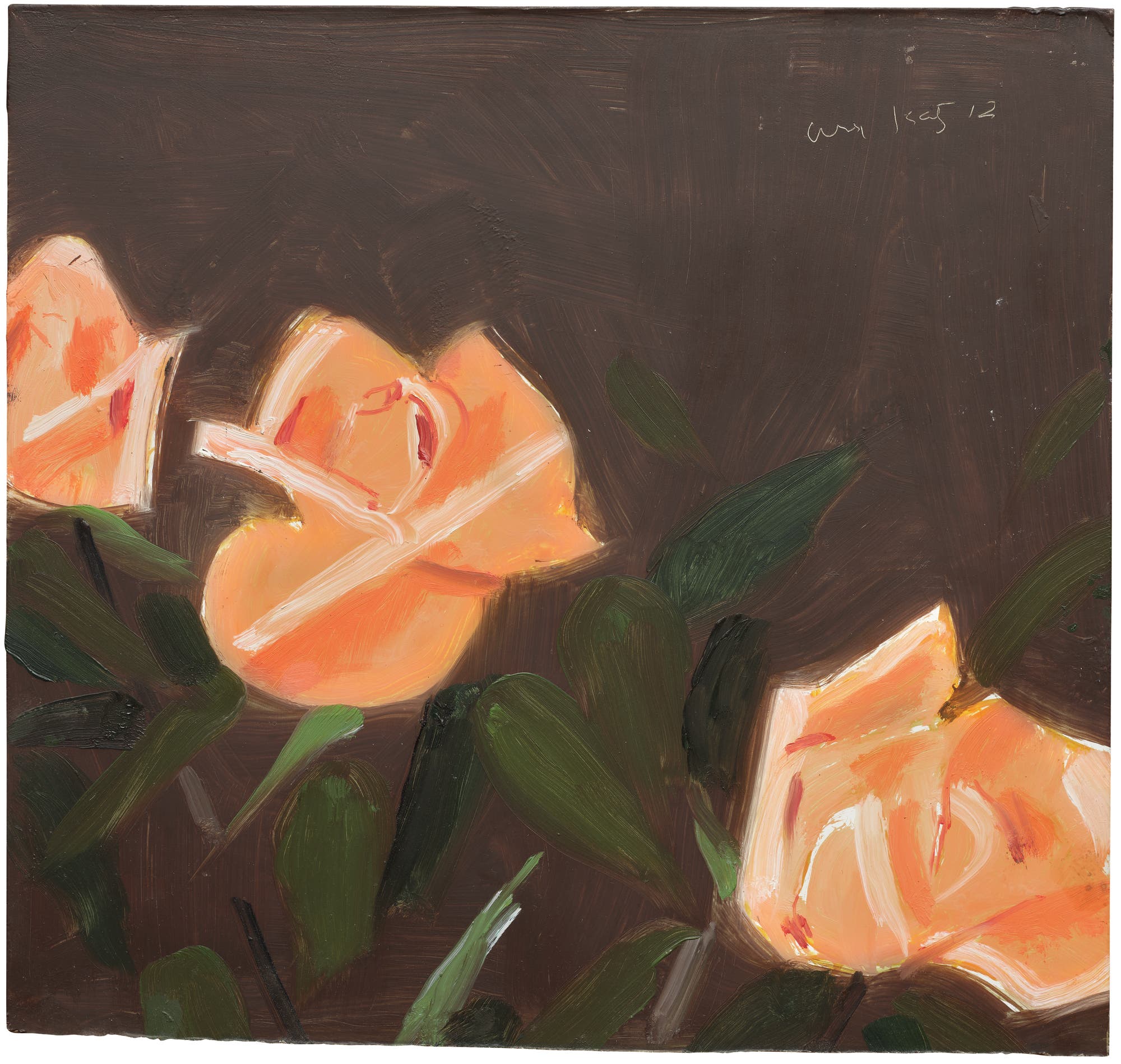
Alice Neel, The Lost Phoebe, 1930. Modern & Contemporary Art New York.
Though executed decades apart, these works by Alice Neel and Alex Katz each offer a vital counter-narrative to the prevailing abstract movements of their respective eras by remaining anchored in the observable world.
Neel’s 1930 work on paper captures the raw, intimate psychological depth characteristic of her early figurative work, reflecting the social realities of a gripping pre-war America. Conversely, Katz’s 2012 floral study offers a rare, intimate glimpse into the artist’s process — the work trades his signature flat planes of color for visible, fluid brushstrokes that lend a spontaneous, tactile energy to the traditional subject. Bridging nearly a century of artistic evolution, these works demonstrate how the commitment to representation can both anchor a specific moment in time and transcend it.
Dawn of the “American Century”
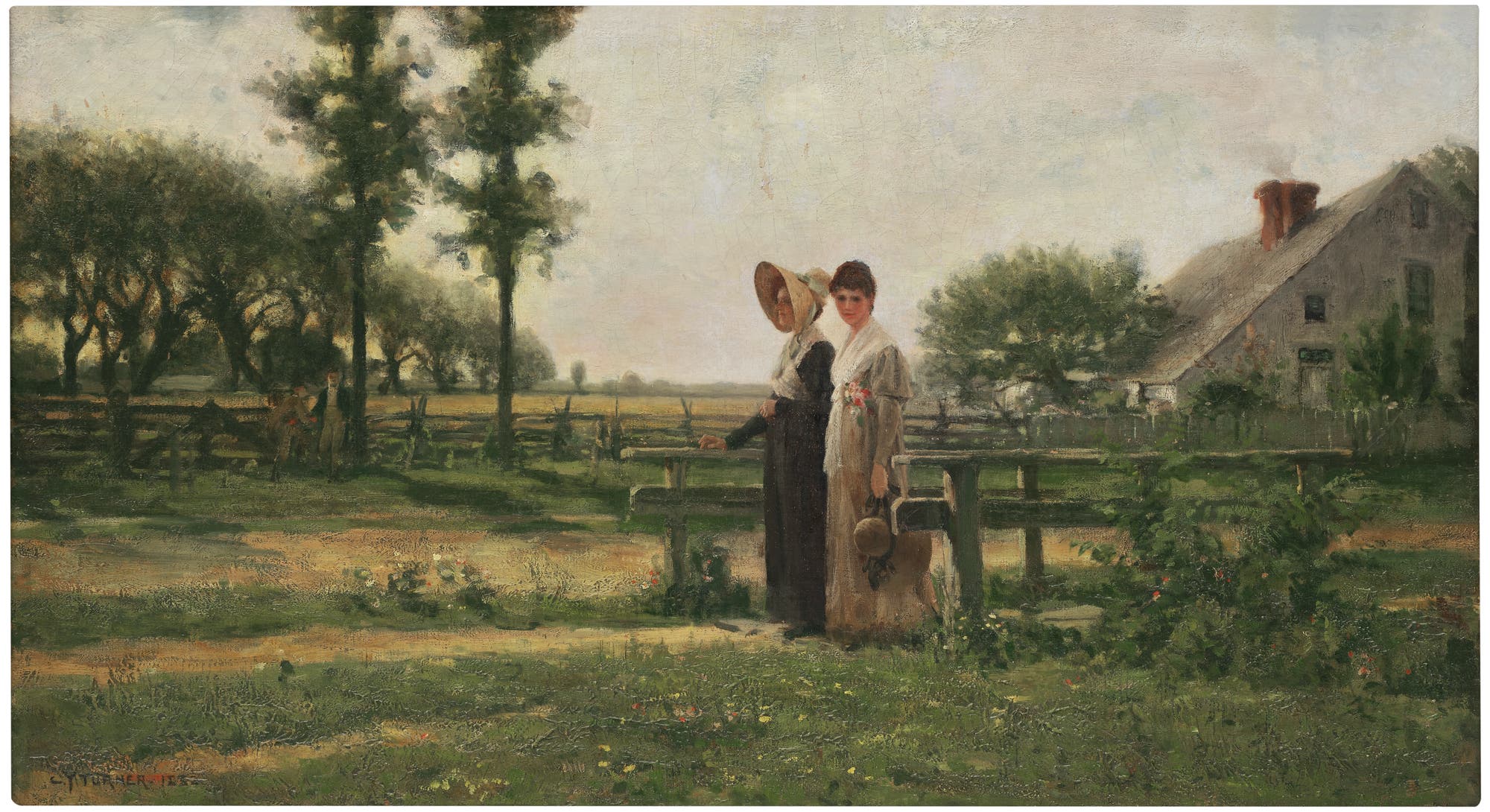
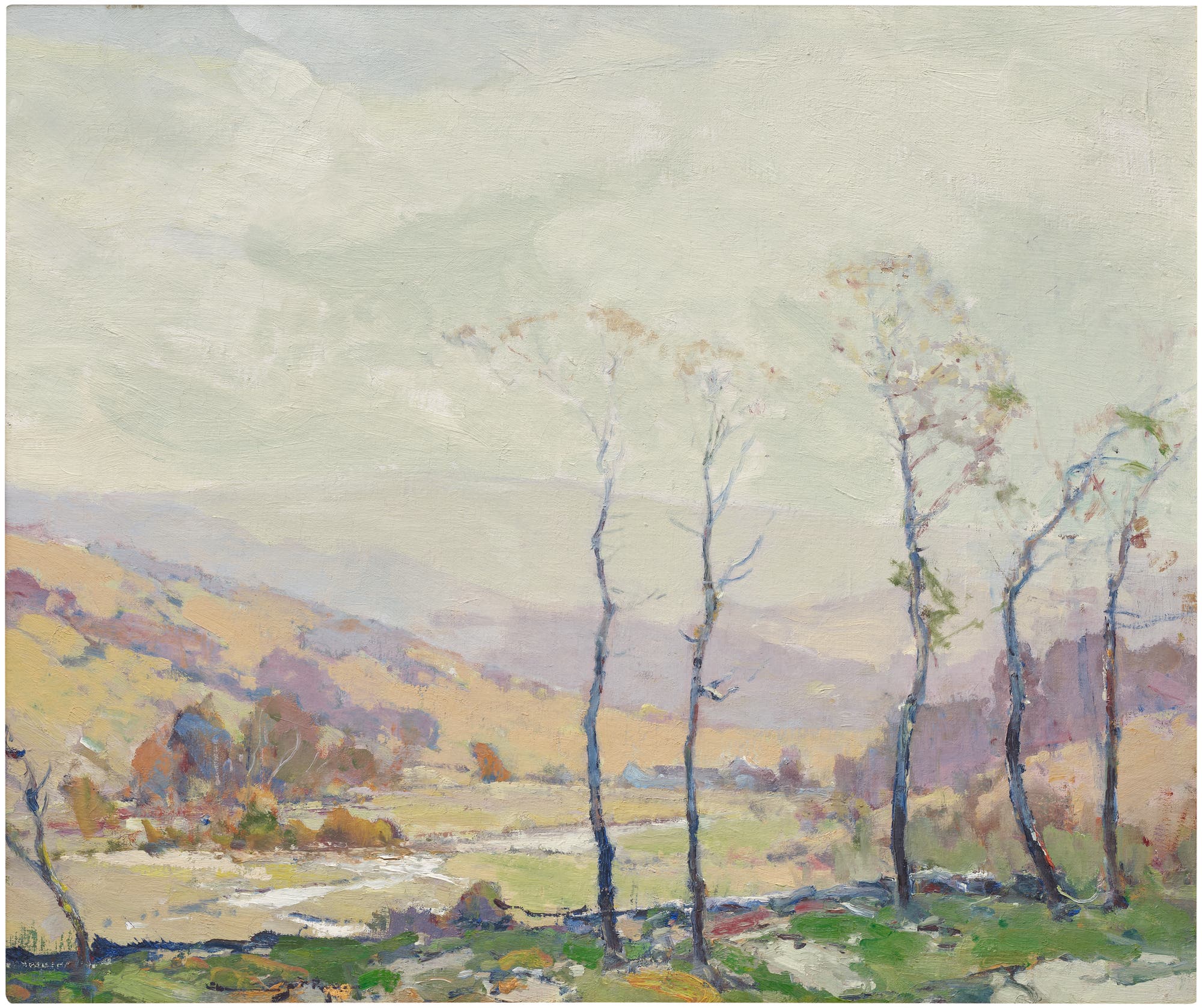
Charles Yardley Turner, Village Belles, 1882. Modern & Contemporary Art New York.
At the turn of the 20th century, American painting stood at a dynamic crossroads, balancing academic tradition with the atmospheric innovations of European impressionism and tonalism, explored astutely in these two works from A Life in Color: Property from the Estate of Tina Hills.
Charles Yardley Turner’s work exemplifies the era's dedication to narrative clarity and classical draftsmanship, here capturing a subject’s direct gaze with rigorous, academic execution. In contrast, Chauncey Foster Ryder’s 1934 landscape reflects a shift toward a more poetic, subjective view of nature, utilizing a restricted palette and fluid brushwork to evoke a quiet, icy atmosphere. Together, these two works illustrate a pivotal moment of transition, where the precise realism of the 19th century gave way to the evocative, light-filled textures of early American modernism.
Americana All the Way Down
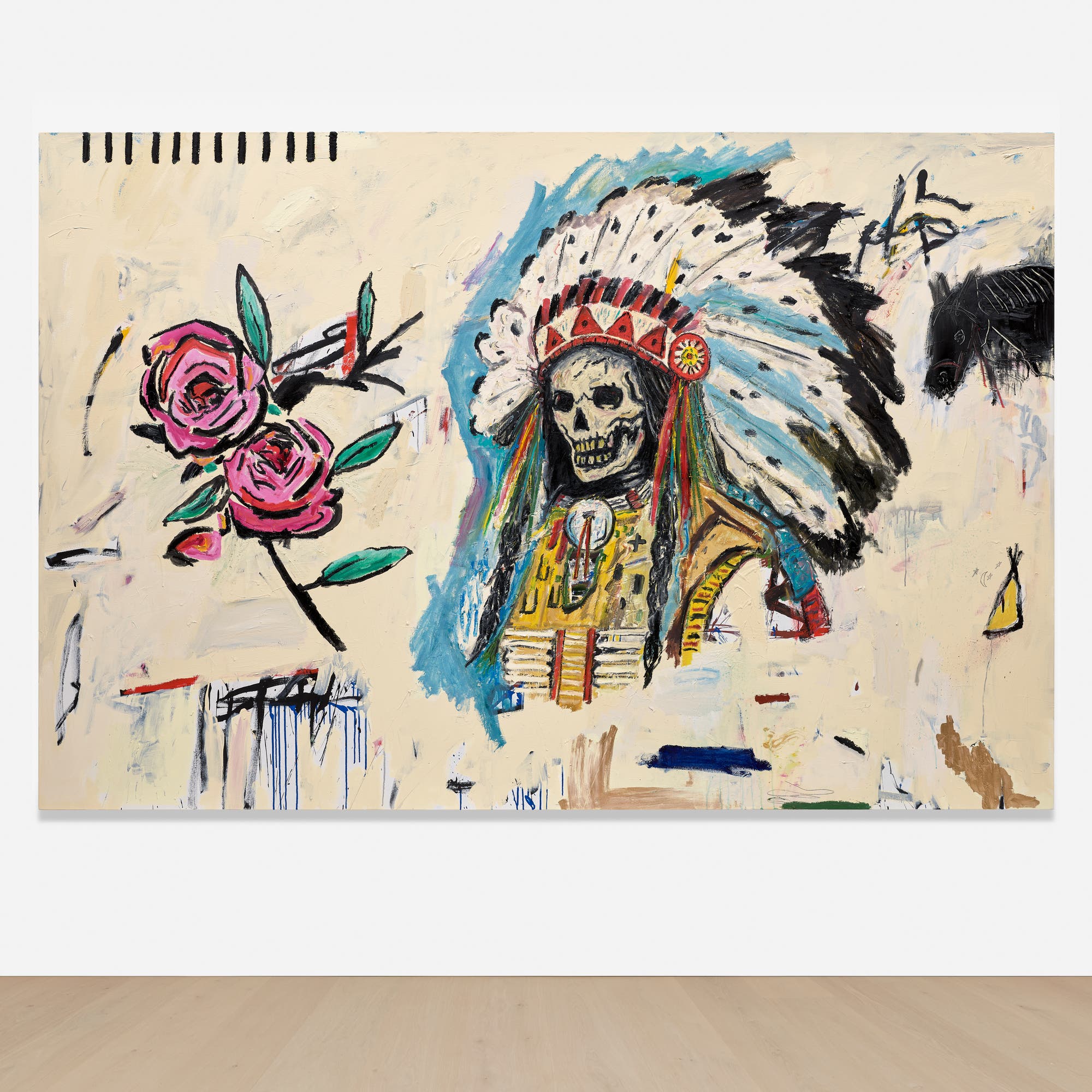
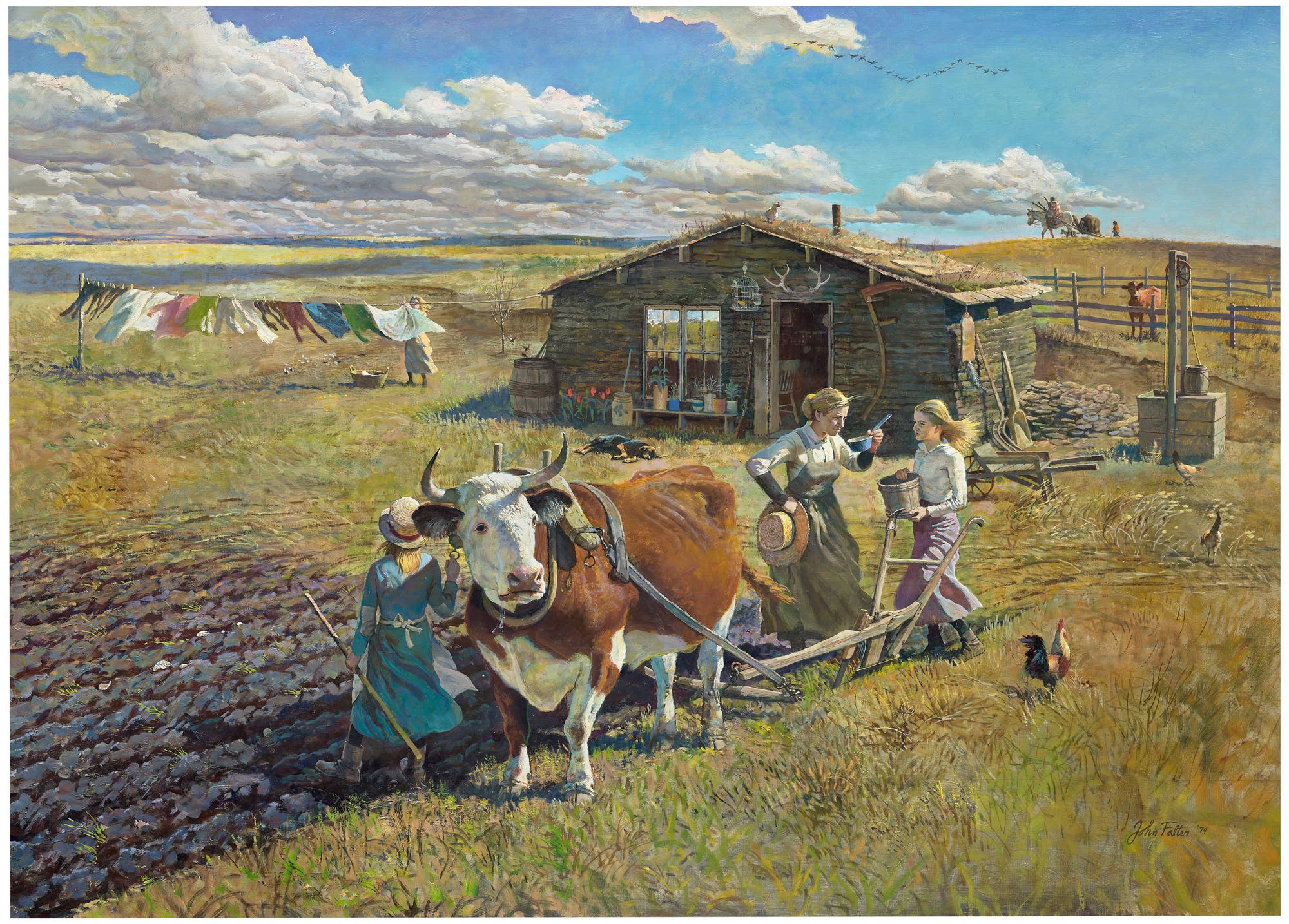
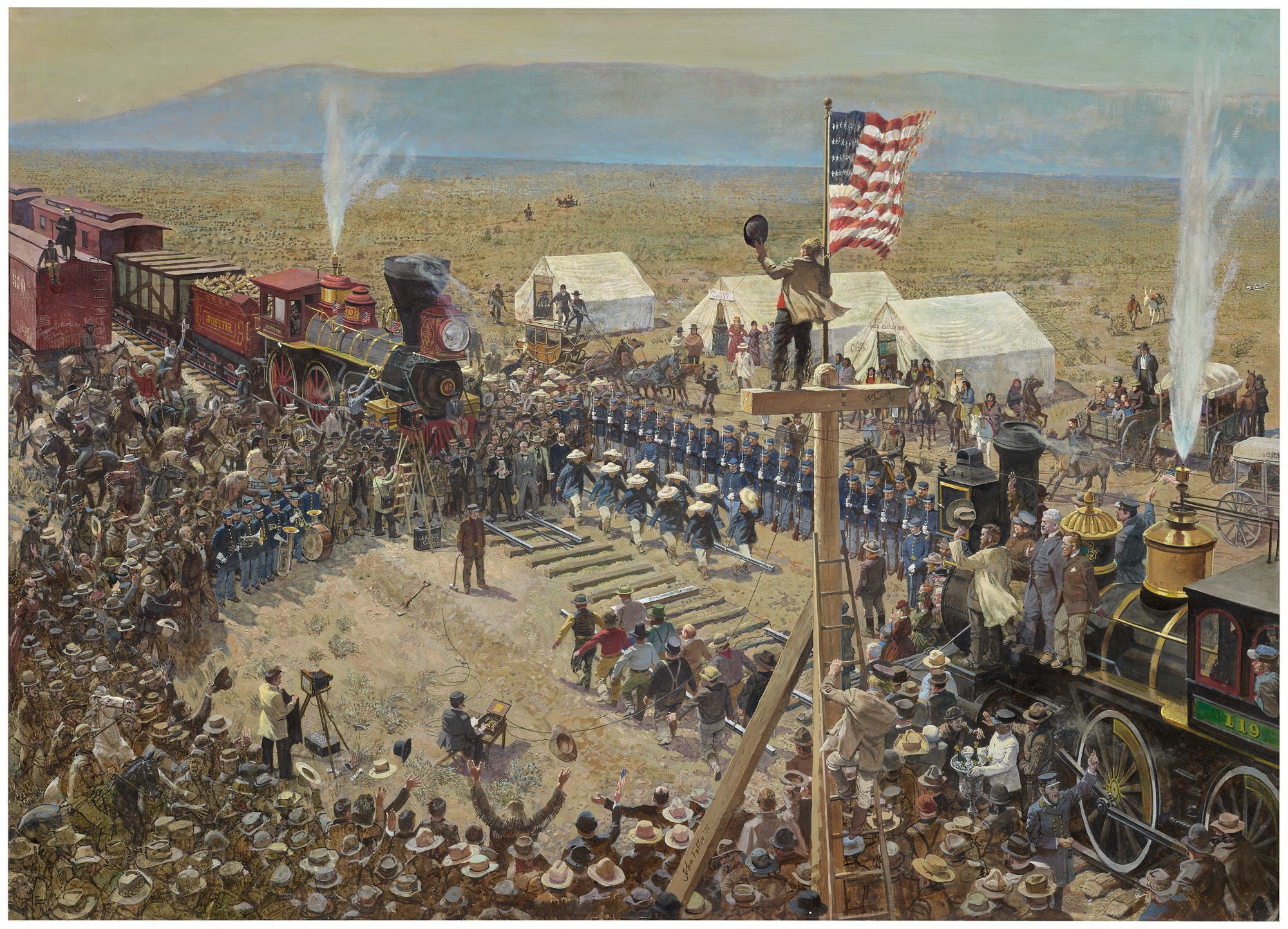
Wes Lang, Moon and Stars, 2020. Modern & Contemporary Art New York.
The visual language of Americana, the muscle cars, main streets, cowboys, pin-ups, flags, and commercial goods, became ubiquitous when postwar prosperity and media saturation combined to create images of a nation to sell back to itself. Magazine advertising and early television leaned heavily on simplified optimism and nostalgia, even as the cultures that produced these images were anything but. It’s precisely within this tension between decorative polish and the complex undercurrents of its genesis that Americana’s enduring legacy lies, particularly as many contemporary artists draw on its contradictions for inspiration.
Early artists, however, dug into its sincerity. John Phillip Falter’s Saturday Evening Post covers defined the midcentury American image and established a mythology of the new American hegemon in real time. His scenes of small-town life act as a progressive extension of the conquered frontier, a continuity of American dominance as a given, destined concept. Others, like Wes Lang, belong to a generation of artists who inherited Americana’s iconography where its ephemera wound up over the years: flea markets, faded tattoos, secondhand totems; symbols of the past shorn of their individual context and folded into a grand, albeit paling, national image as its primary sources no longer hold the same meanings for downstream artists — and yet the image continues well into the 21st century.
Contemporary Native American Artists
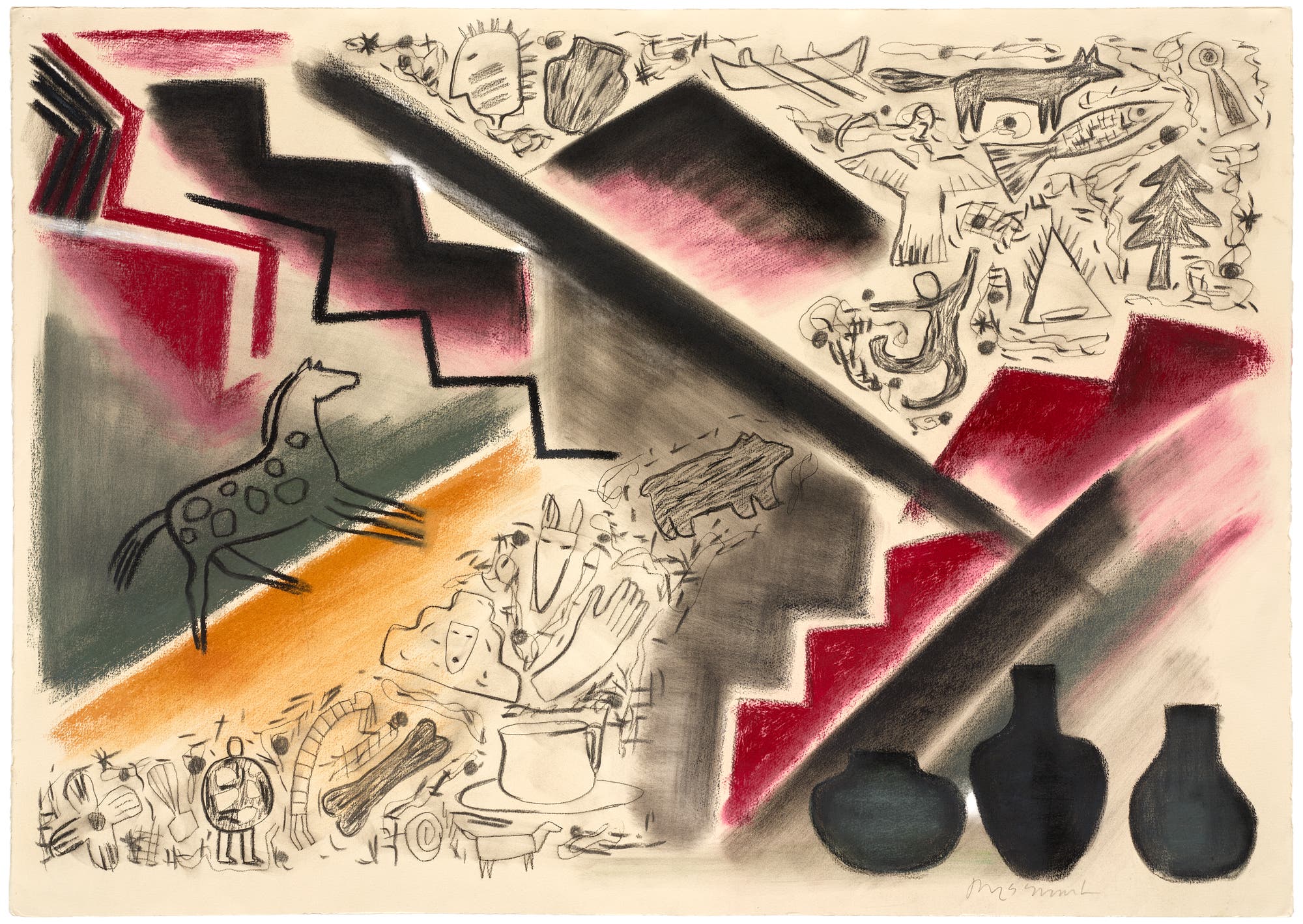
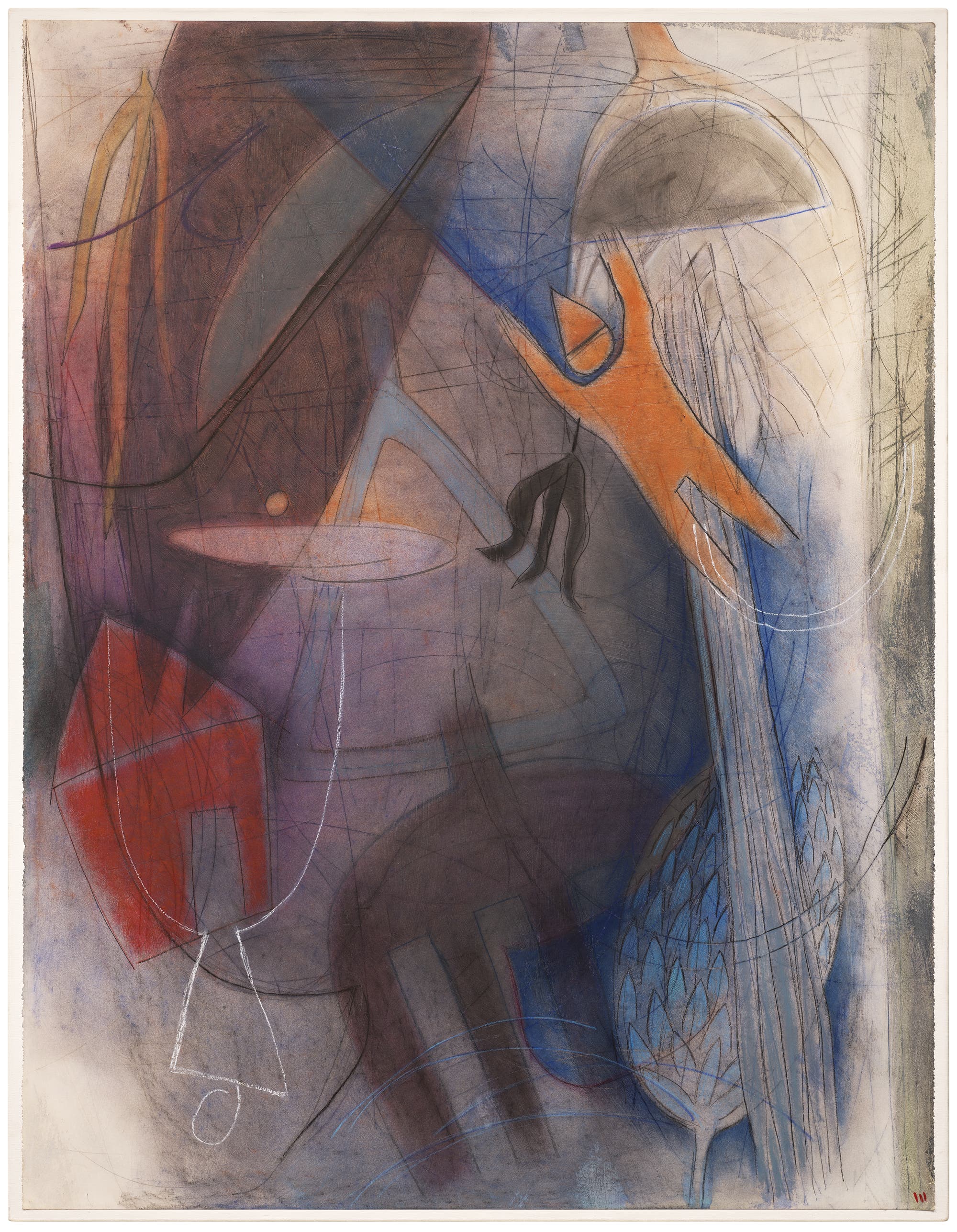
Jaune Quick-to-See Smith (Confederated Salish and Kootenai), The Rockies, 1990. Modern & Contemporary Art New York.
For much of the 20th century, Native American art was narrowly categorized as ethnographic craft, or a tradition separate from the contemporary mainstream. A generation of artists has spent recent decades dismantling that distinction, showing that Native art has, for quite some time, incorporated the vocabulary of postwar and contemporary art while exploring new dimensions of place and history rather than a generic, typecast Native-ness. Jaune Quick-to-See Smith (Confederated Salish and Kootenai) and Emmi Whitehorse (Diné) both belong to this extensive practice, asserting Indigenous presence through their use of landscapes and memories, recognizable symbols and intuitive arrangements, to firmly place Native art within the contemporary canon.
Black Art as American Canon
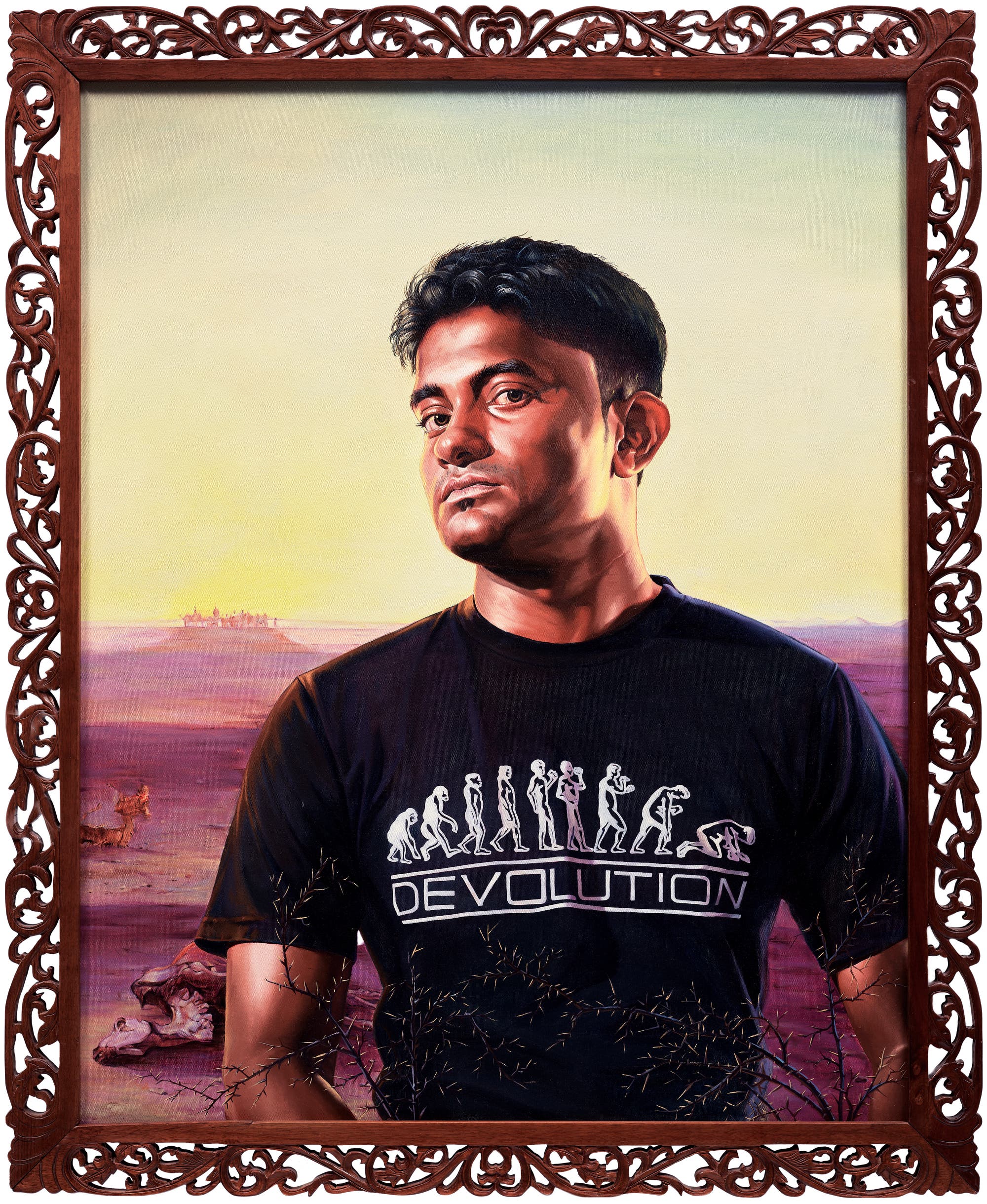
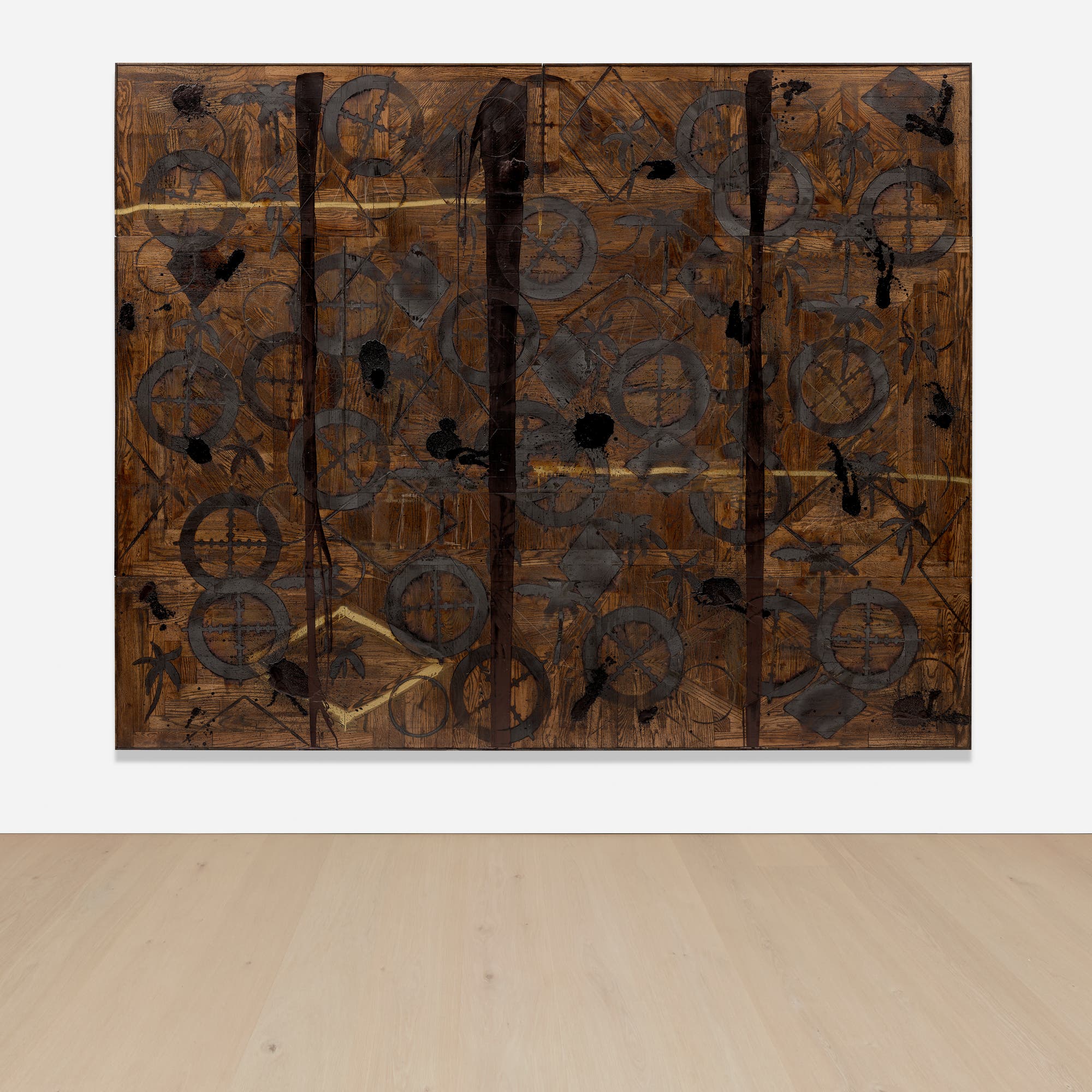
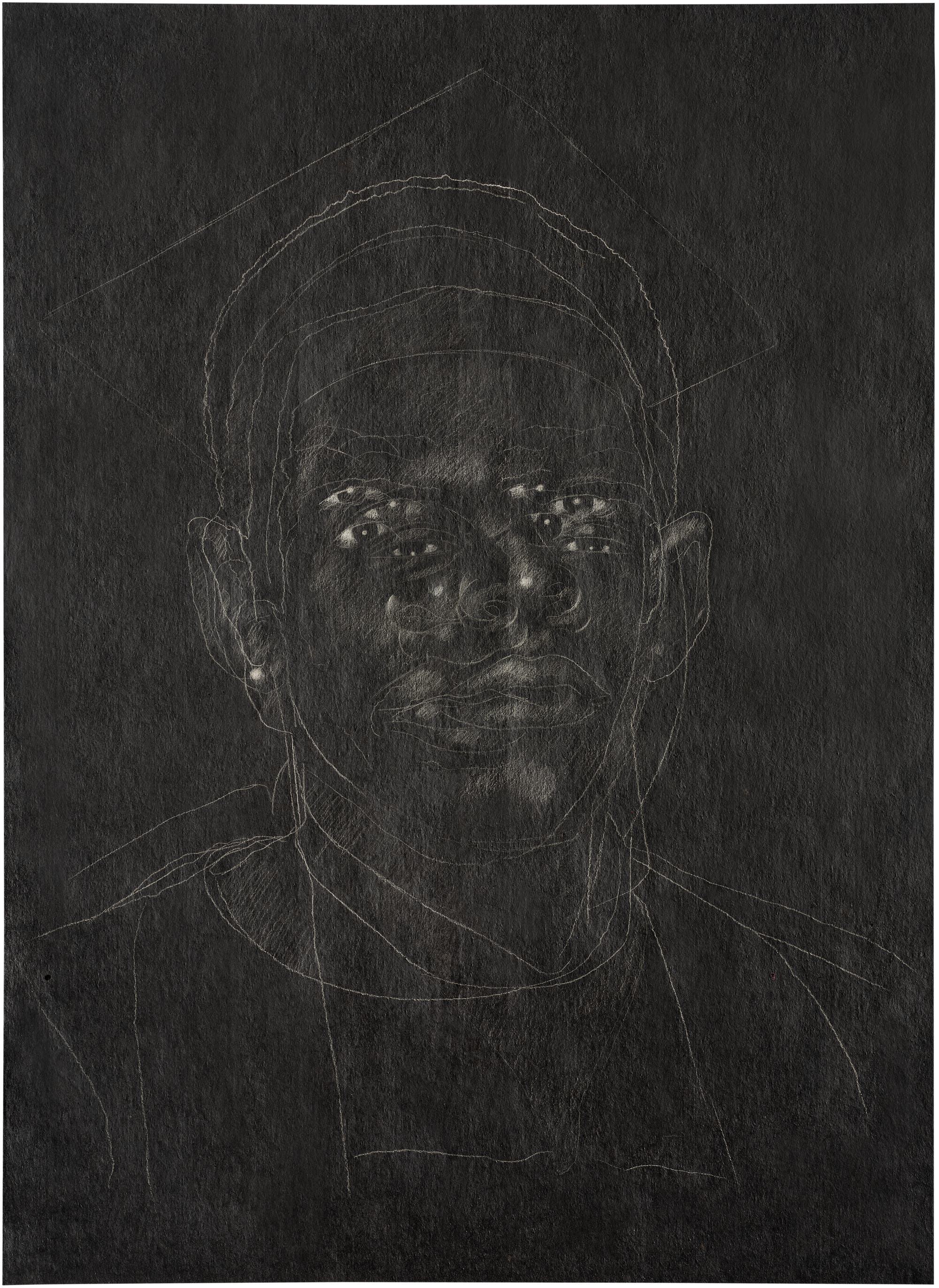
Kehinde Wiley, The Desert, 2010. Modern & Contemporary Art New York.
American art history is fundamentally incomplete without the visions of Black artists, whose work does not exist as a lone category but forms the multilayered fabric required to understand the complete picture of the American experience. These powerful works reframe who is seen, how we look, and what is remembered.
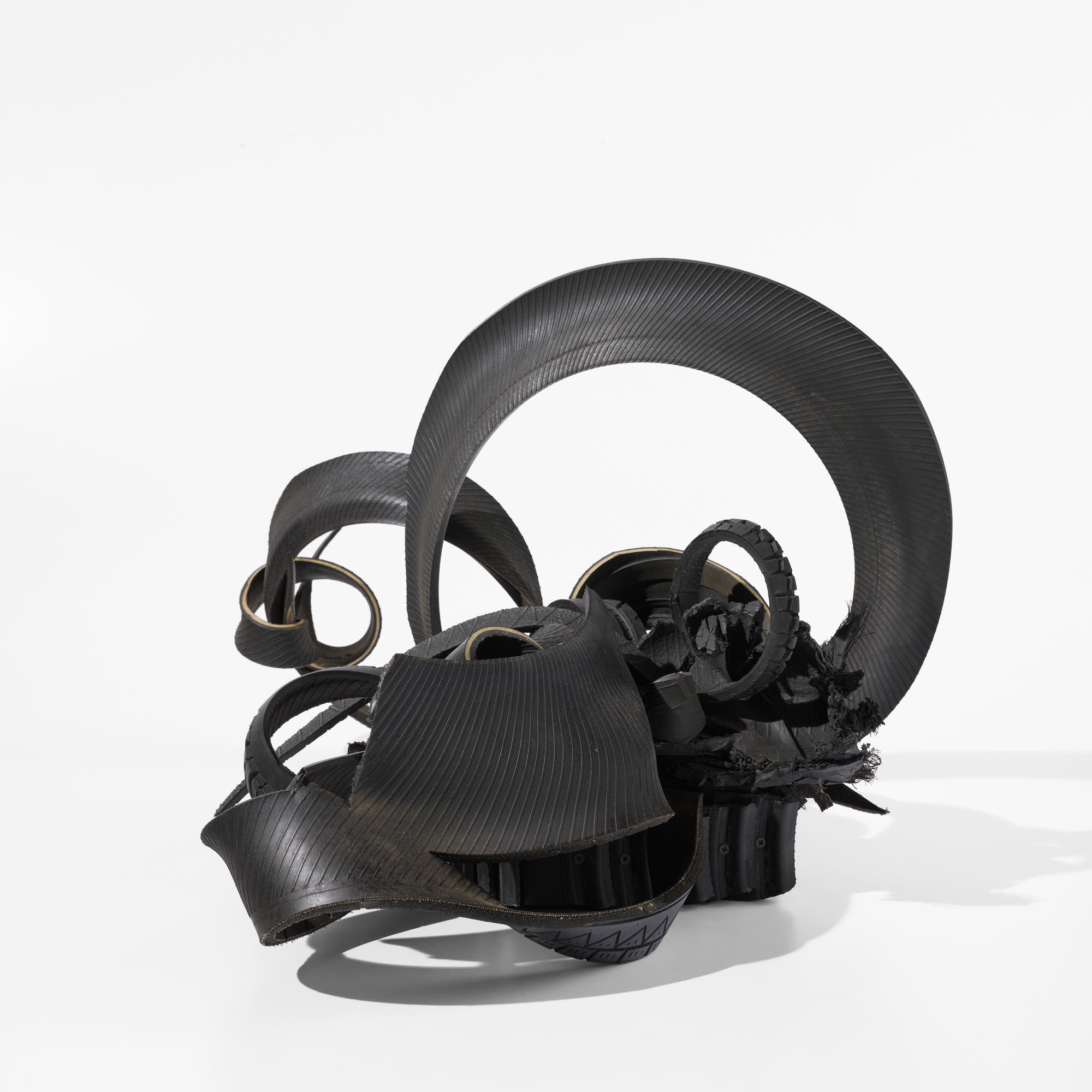
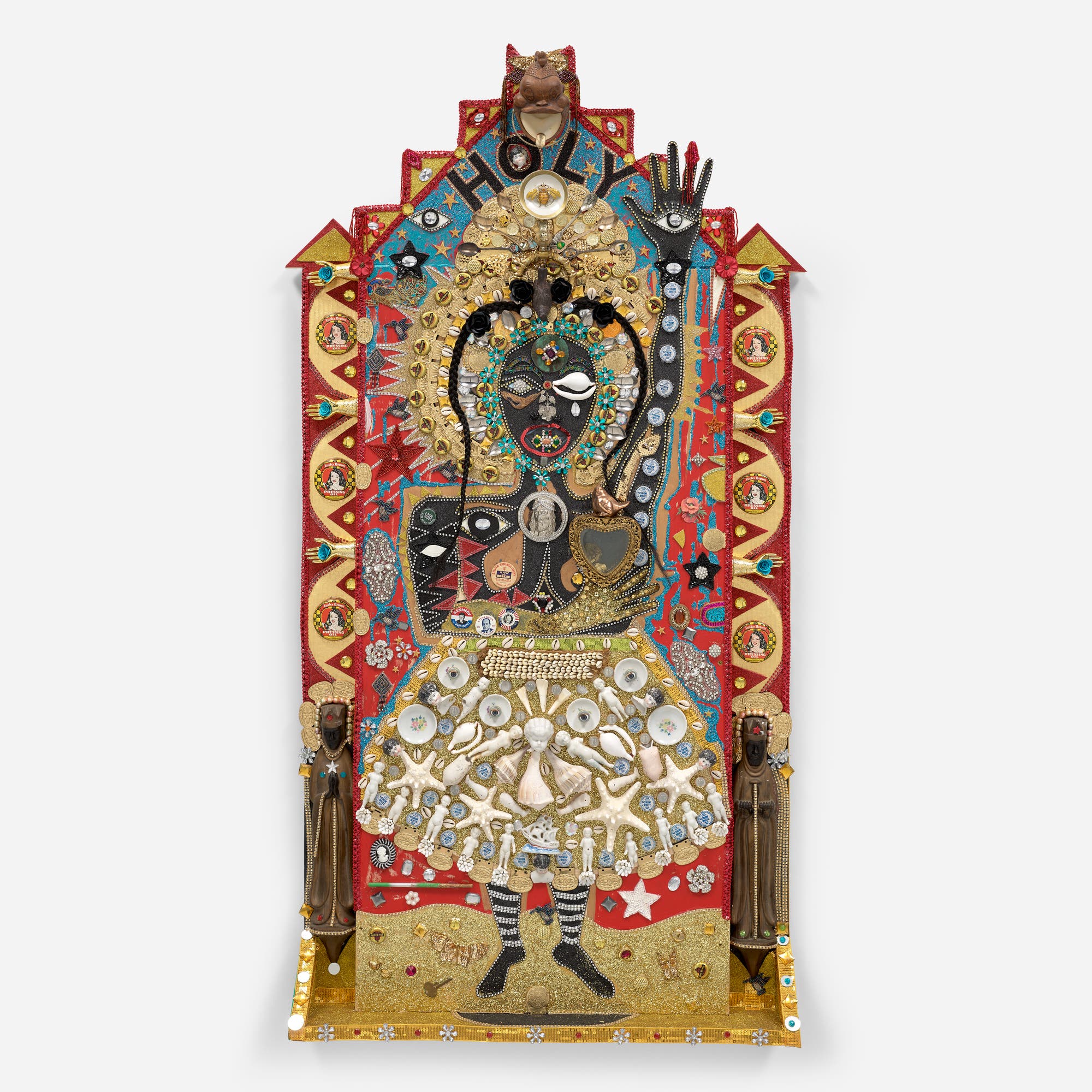
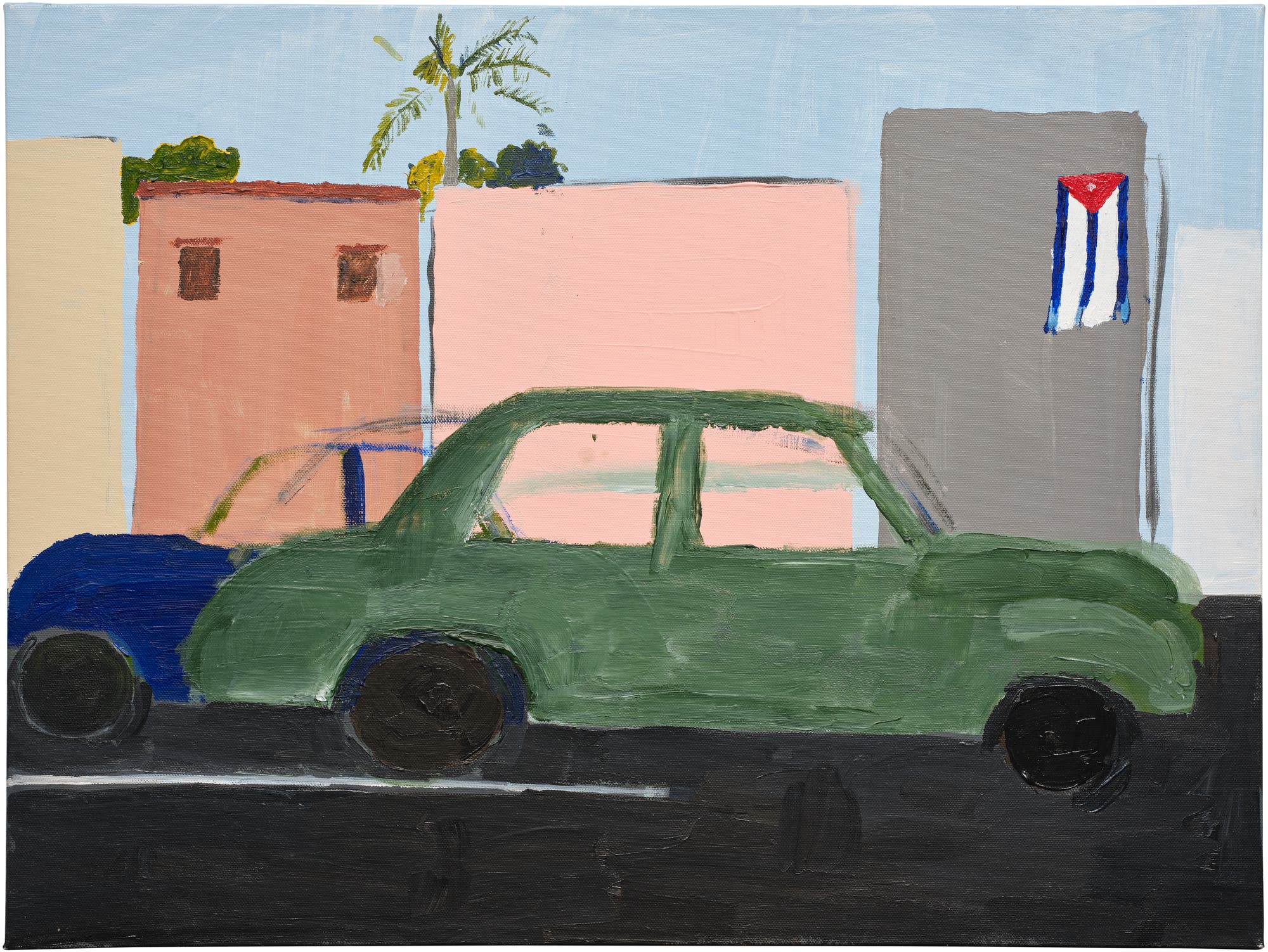
Whether through the iconic figurative works of Henry Taylor, Kehinde Wiley, and Titus Kaphar, or the profound material investigations of Chakaia Booker, vanessa german, and Rashid Johnson, these artists confront erasure and celebrate resilience. Seen together, they challenge the boundaries of contemporary art in their own ways, ensuring their narratives are indelibly etched at the center of American art culture.