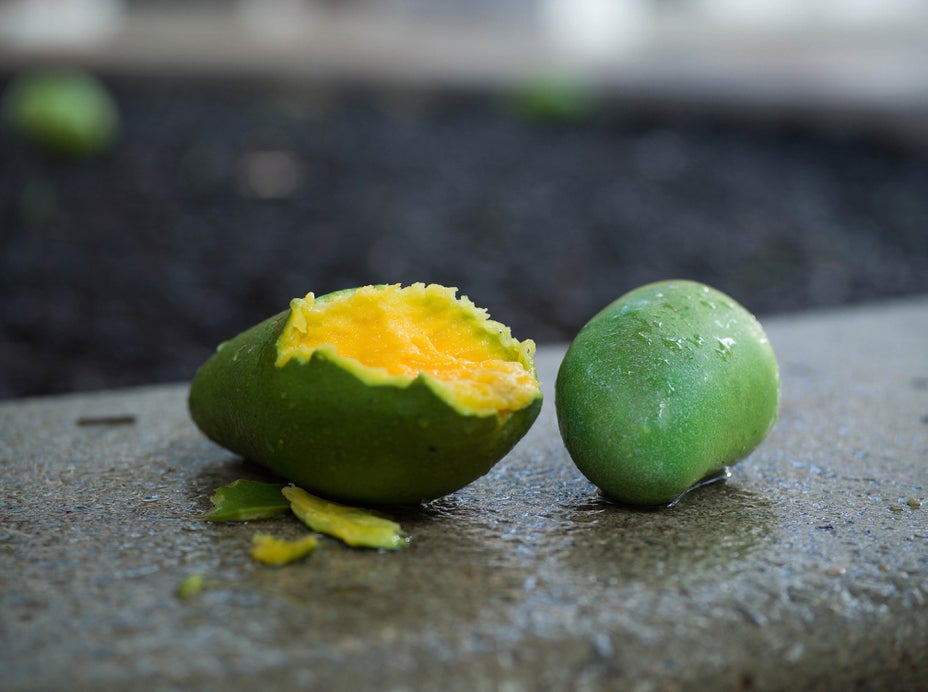
Kindly donated by Cao Fei and Vitamin Creative Space in support of DESIGN TRUST CHARITY AUCTION
222Ж︎
Cao Fei
Prison Architect 13 (from Prison Architect Series)
Estimate
HK$120,000–180,000
€13,100–19,600
$15,400–23,100
Sold For
HK$125,000
inkjet print on paper
120 x 160 cm. (47 1/4 x 62 7/8 in.)
Created in 2018, this work is number 1 from an edition of 6 and is accompanied by a certificate of authenticity issued by the artist.
Full-Cataloguing
The film, Prison Architect, directed by Cao Fei and commissioned by Tai Kwun Contemporary, centers on two fictional characters separated by time but connected by the space in which the exhibition itself unfolds: an inmate of the Victoria Prison which forms an integral part of Tai Kwun (played by the artist Kwan Sheung Chi), and an architect tasked with converting this prison into a gallery (played by Valerie Chow Kar Ling). In the film Prison Architect, the prisoner and architect of Prison Architect speak to each other across time.
The film stars with this monologue from the architect: “As an architect, as an individual, it is difficult to imagine myself becoming someone who designs spaces to imprison my fellow human beings.” In the film, the character takes inspiration from the sombre history of the Victoria Prison, while the film is set in the bustling neighbourhood of Central. These buildings once formed Victoria Prison, Hong Kong’s earliest penal institute. Decommissioned in 2006, they have now been transformed into a thriving cultural institution. This layered history adds to the artwork’s meaning. The film captures the confusing state of the individual in contemporary society, stunned between reality and ideal. The story takes place in the crossparallel time and space of Hong Kong and contemporary society in the 1970s-1980s. Through an architect's prison rehabilitation plan, it brings out the significance of "captivity" for today's human and society.
The script of Prison Architect is adapted from Hu Fang’s fiction "The Comfort of Captivity". The poems quoted in the play are from the poet Dai Wangshu, who was imprisoned in the Victorian prison for several months in the 1940s, and the poet and translator Wong Chanyin living in Hong Kong, which indicate the complicated geography and history through an abstract dialogue. The film also integrates film and music clips from Hong Kong and other foreign movies, which influenced Cao Fei in her childhood. In addition to the two special actors, Cao Fei invited Mr. Kwan Pun Leung to be the cinematographer, it was the first time they collaborated for a film.
The film stars with this monologue from the architect: “As an architect, as an individual, it is difficult to imagine myself becoming someone who designs spaces to imprison my fellow human beings.” In the film, the character takes inspiration from the sombre history of the Victoria Prison, while the film is set in the bustling neighbourhood of Central. These buildings once formed Victoria Prison, Hong Kong’s earliest penal institute. Decommissioned in 2006, they have now been transformed into a thriving cultural institution. This layered history adds to the artwork’s meaning. The film captures the confusing state of the individual in contemporary society, stunned between reality and ideal. The story takes place in the crossparallel time and space of Hong Kong and contemporary society in the 1970s-1980s. Through an architect's prison rehabilitation plan, it brings out the significance of "captivity" for today's human and society.
The script of Prison Architect is adapted from Hu Fang’s fiction "The Comfort of Captivity". The poems quoted in the play are from the poet Dai Wangshu, who was imprisoned in the Victorian prison for several months in the 1940s, and the poet and translator Wong Chanyin living in Hong Kong, which indicate the complicated geography and history through an abstract dialogue. The film also integrates film and music clips from Hong Kong and other foreign movies, which influenced Cao Fei in her childhood. In addition to the two special actors, Cao Fei invited Mr. Kwan Pun Leung to be the cinematographer, it was the first time they collaborated for a film.