228
Cartier
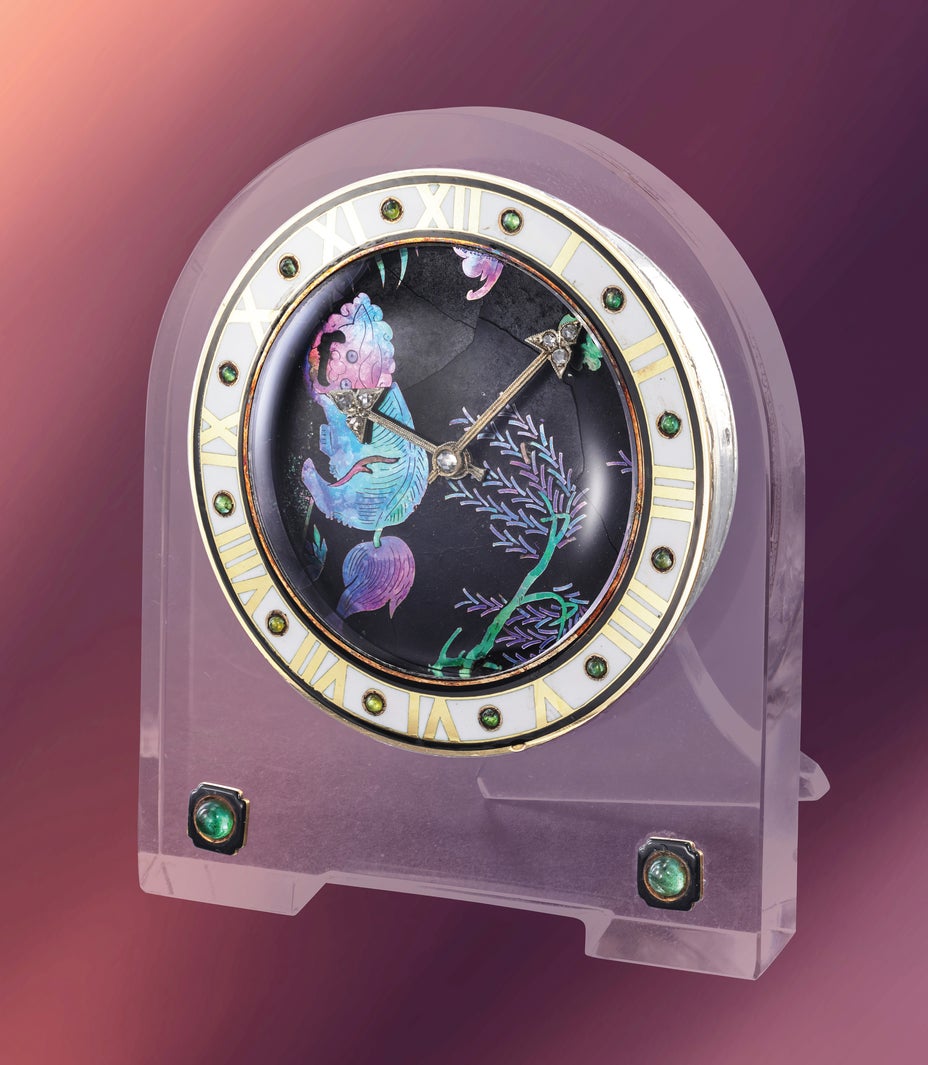
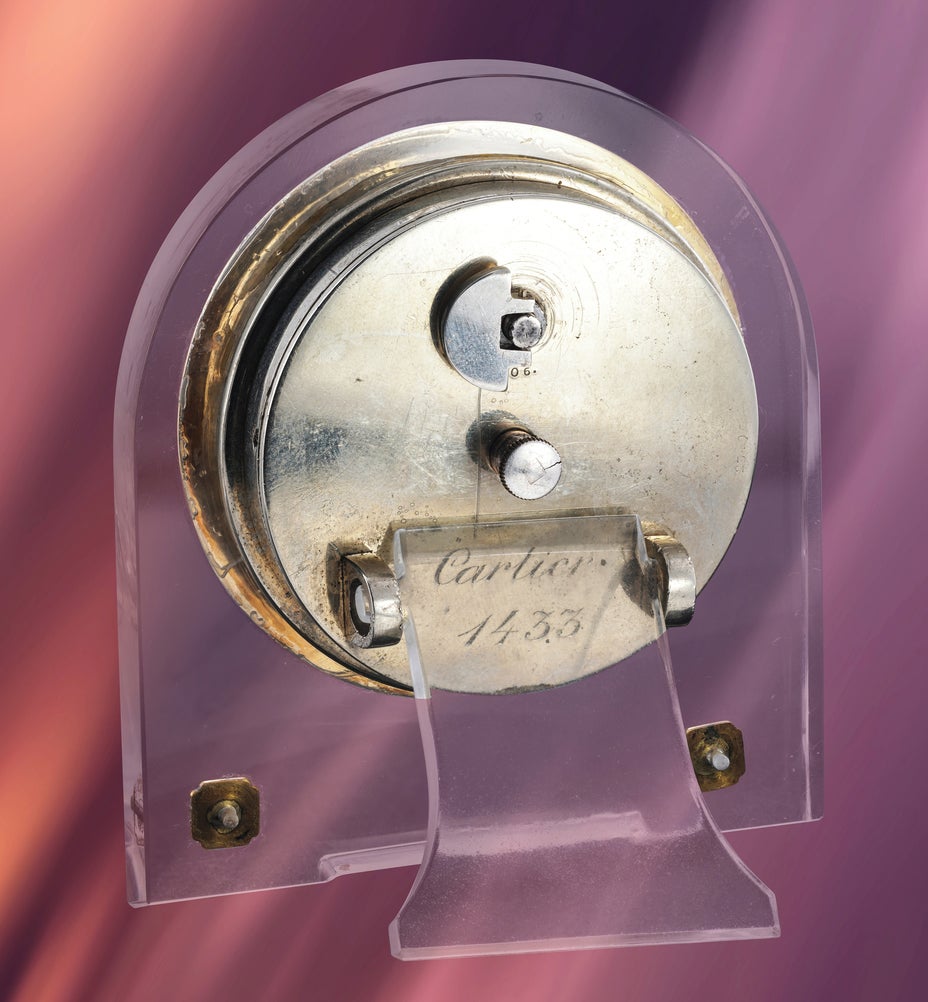
A probably unique and attractive gold, enamel, emerald and diamond-set rock crystal desk clock with strut, Laque Burgauté dial and 8 day movement
Full-Cataloguing
- Art deco desk clock in rock crystal
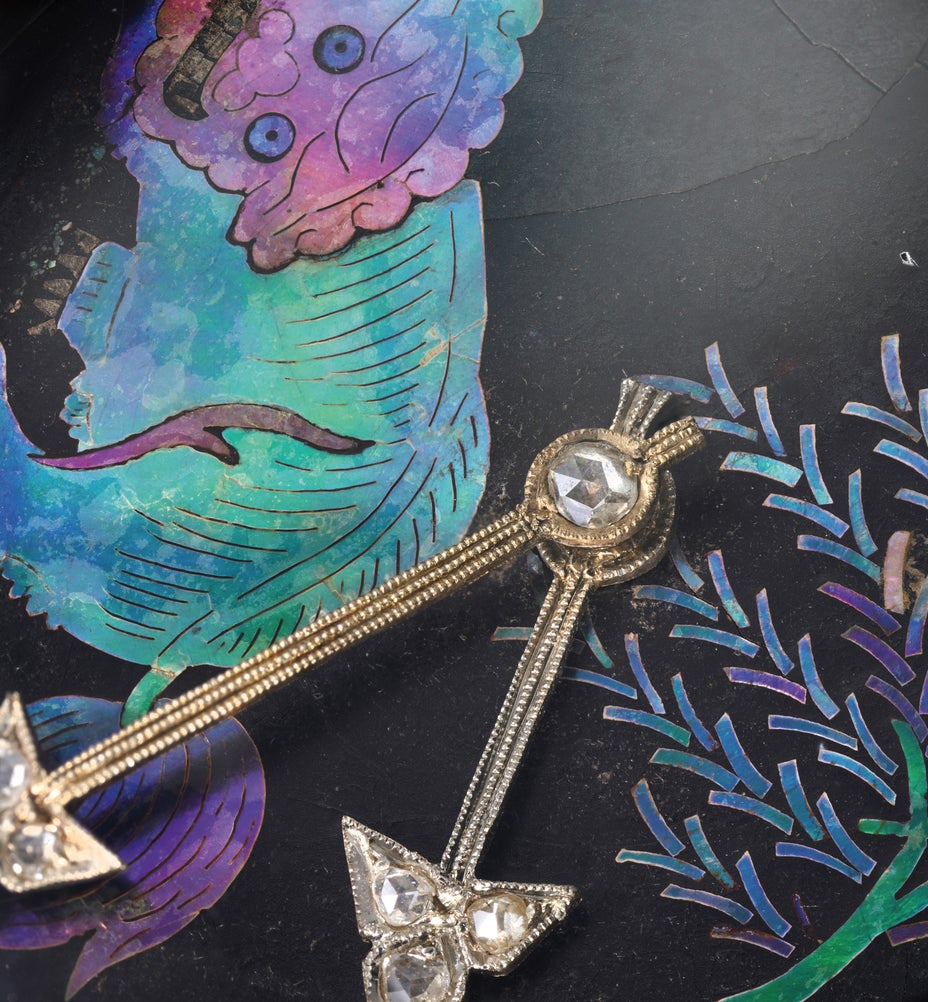
- Features a rare Laque Burgauté dial
- Preserved in overall excellent condition
First created in the early 1900s, the desk clock was Cartier’s perfect canvas to showcase its unbridled creativity. The desk clock is a result of two guiding principles - merging a beautifully and intricately crafted work of art with horology.
The creation of the desk clock perfectly coincides with Cartier’s first foray into the Far East. In 1901, Louis Cartier tasked one of his best salesmen, Jules Glaenzer, to asses its potential as a commercial center. Coming back, Glaenzer not only discovered another culture a world apart, but had also filled his pockets with curiosities, gems and treasures from the Far East. What started as a commercial trip turned into one of the biggest cultural inspirations for the illustrious jeweler.
The present clock is from the 1920s and inspired by the Far East. Made of rock crystal and featuring emerald cabochons, the clock features gold Roman numerals on white lacquer, and a dial in the technique of Laque Burgauté - the exquisite East Asian technique of decorating lacquer with intricate inlays of tinted mother-of-pearl. In this case, the Laque Burgauté technique is used to depict a lion and leaves. The Lion has much significance in Chinese culture - it is a powerful symbol of protection, strength, authority, and prosperity.
Cartier
FrenchWith the Constitution of 1848 came a new standard for luxury in France. Founded one year prior by Louis-Francois Cartier, the house of Cartier was one of the first to use platinum in jewelry making. This incredibly expensive material became the stepping-stone for Cartier to experiment in form, mechanisms and attitude. It helped men move from pocket watches to wristwatches, effectively making the watch much more functional and prominent in a man's overall wardrobe.
Cartier did not only touch on functionality. Inspired by a commissioned painting by George Barbier featuring a black panther at the feet of an elegantly bejeweled woman, Cartier began incorporating wild animals in his designs—most notably, Cartier Panthère rings, bangle bracelets and watches. Yet it wasn't until the late 1960s that the house of Cartier debuted their iconic yellow and rose gold LOVE collection, which includes the famous bracelet that only a special screwdriver can open.