13
Gio Ponti
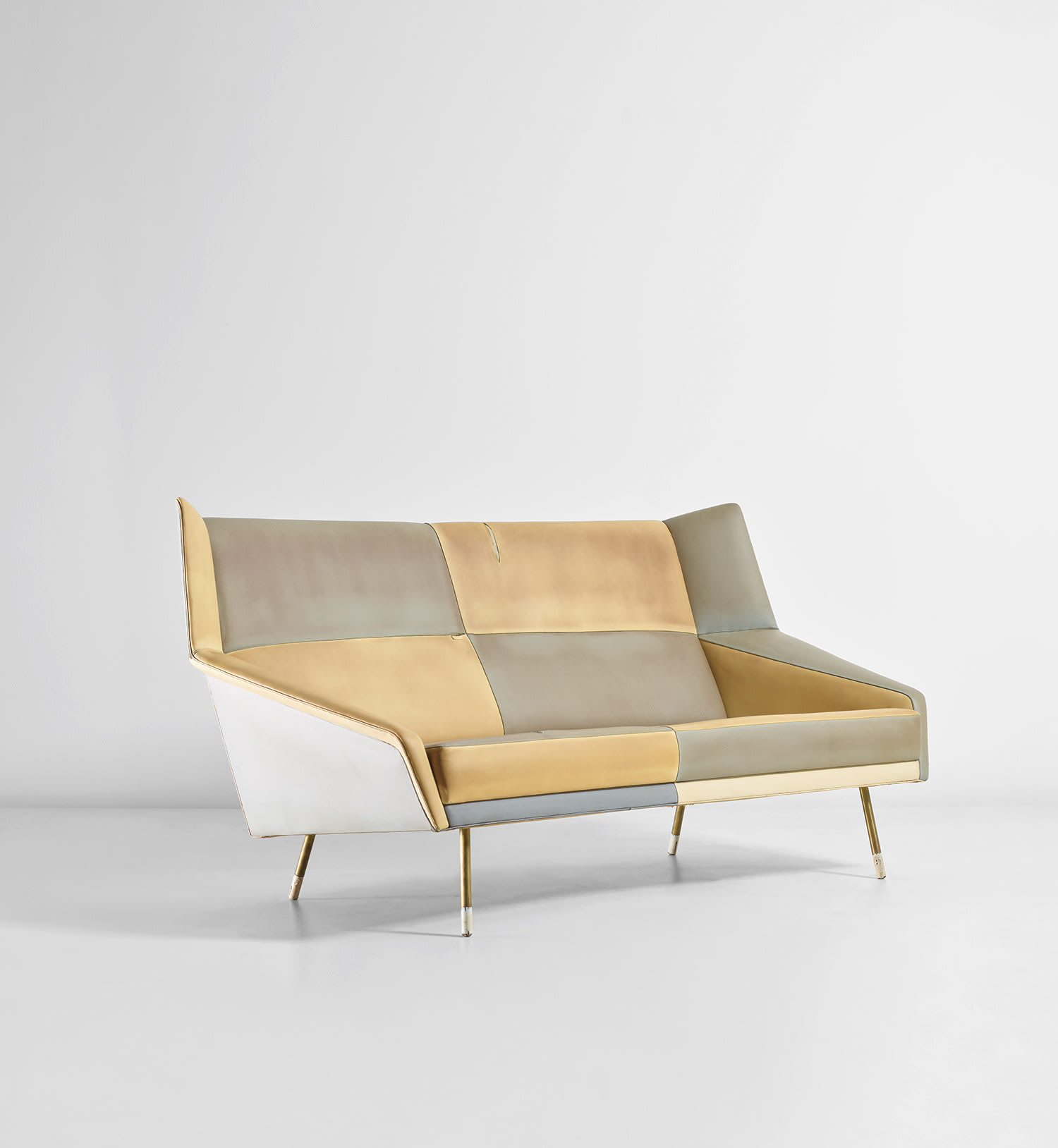
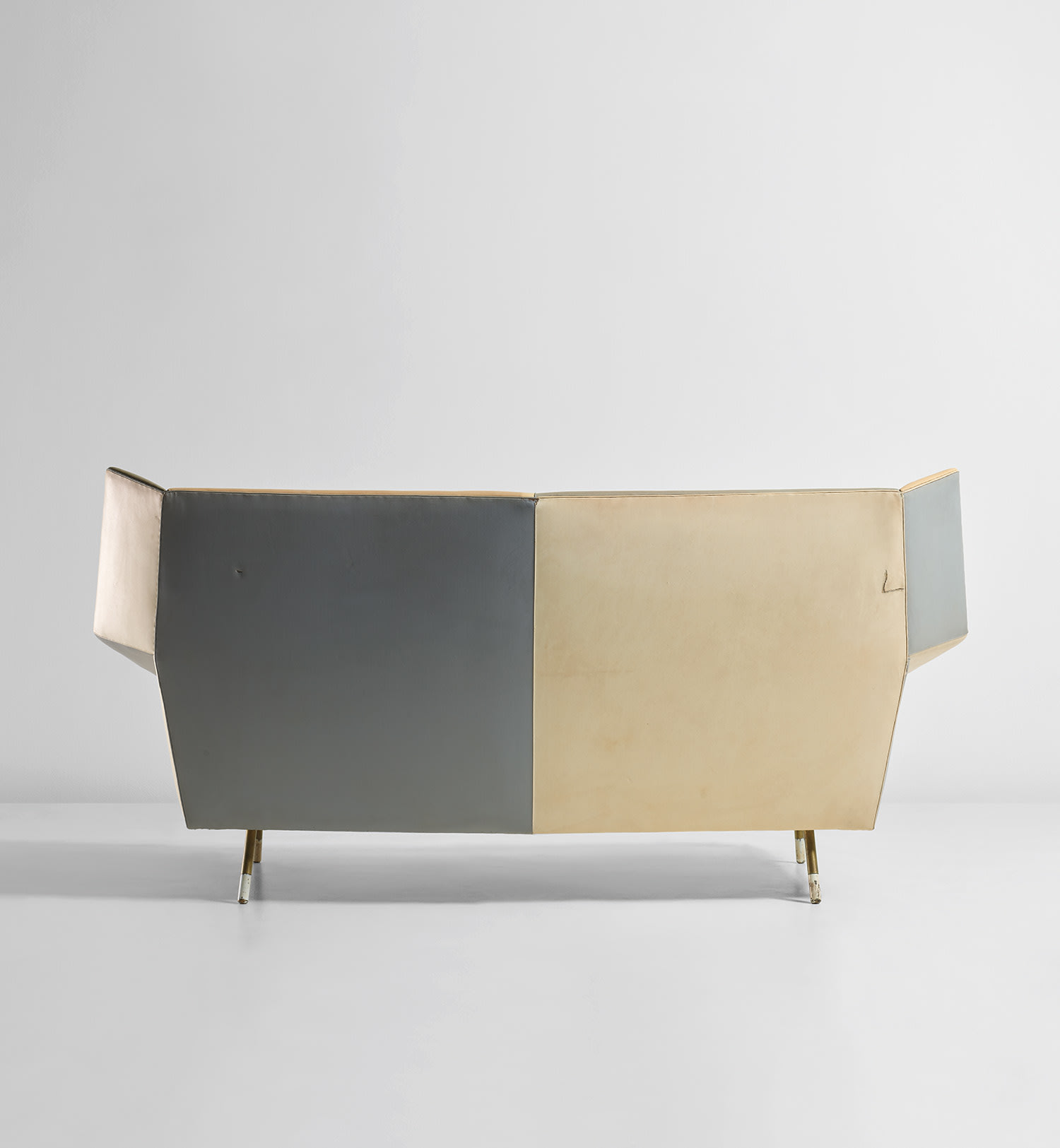
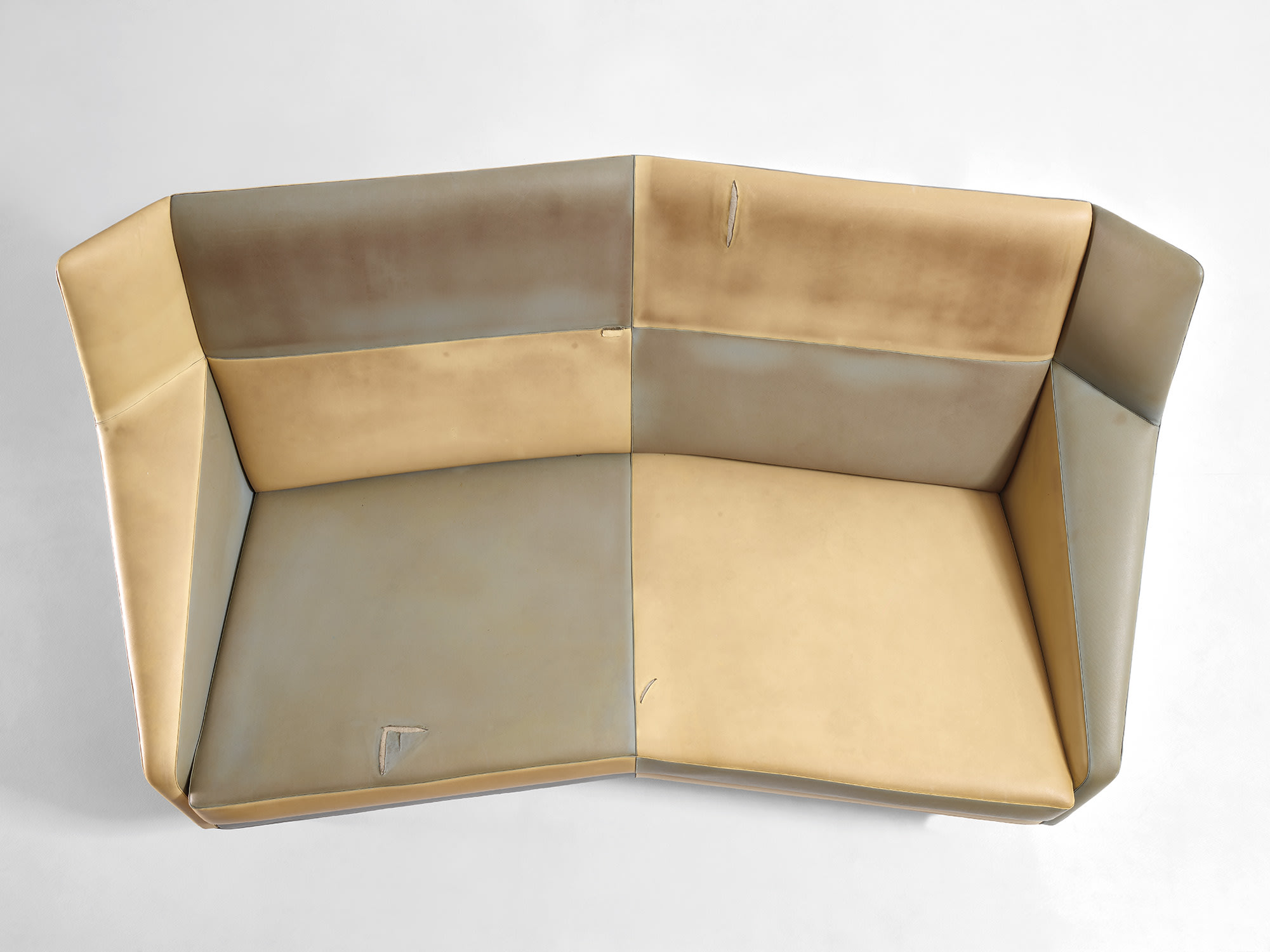
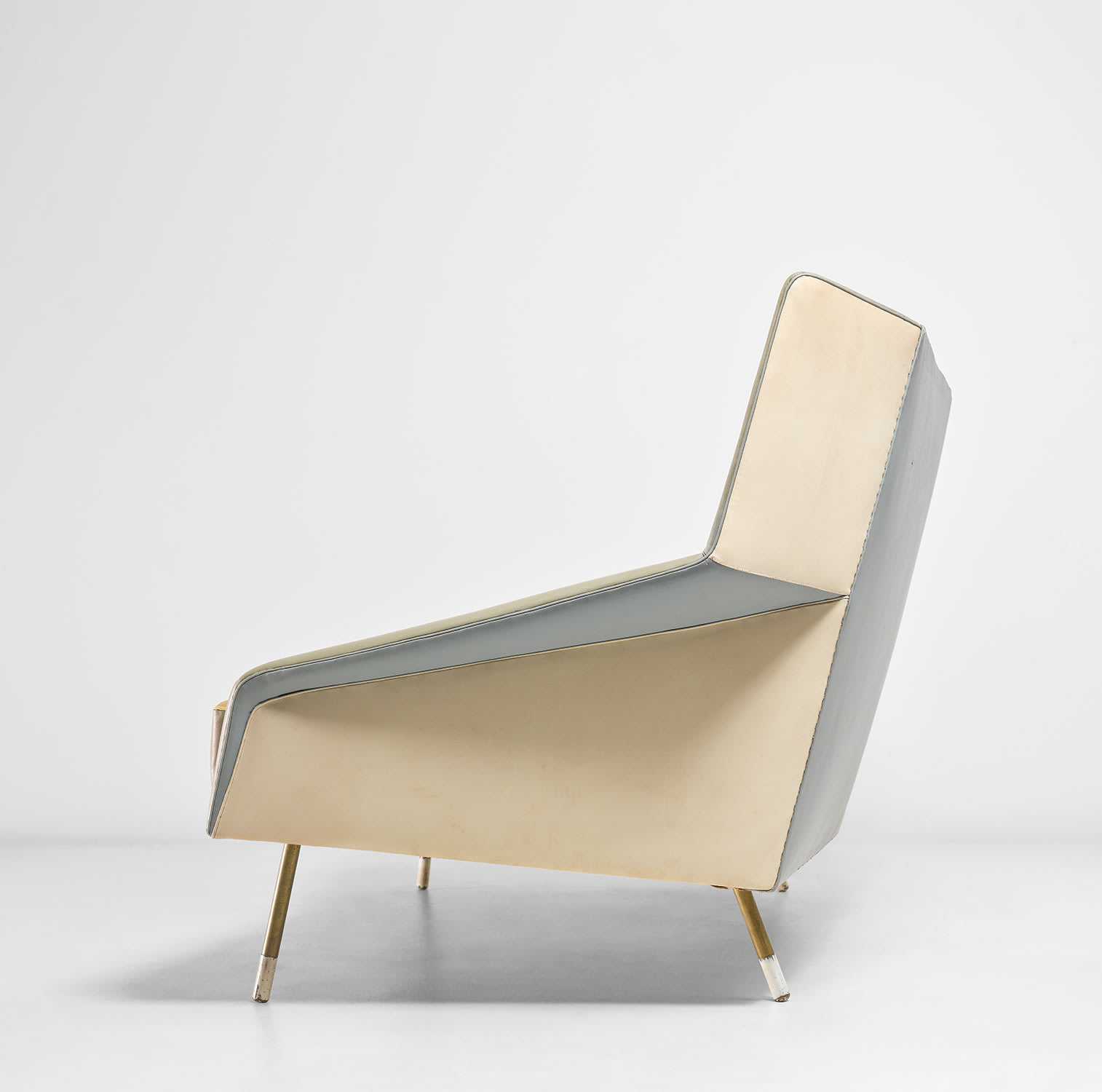
Prototype ‘Mariposa’ sofa, designed for the XI Milan Triennale
Full-Cataloguing
There are two reasons that make the present two-seater sofa a truly exceptional work. The first being that whilst conceived for a serial production, the design never went into production and only two examples are known to have been made: the present prototype sofa, which was exhibited at the XI Milan Triennale in 1957; and the sofa designed by Gio Ponti for Villa Planchart, Caracas (1955), which today still remains part of the furnishings of this important architectural masterpiece. Secondly, among all of Ponti's designs from the post war period, this sofa is the highest expression of his work at the dawn of industrial design, for which Ponti was a pivotal figure.
Through the play of lines and proportions the present lot masterfully illustrates the interplay between architecture and design that is central to Ponti's work. Conceived for the furnishings of Villa Planchart ̶ the name ‘Mariposa’ (butterfly in Spanish) is where the name originates from ̶ it is inspired in its forms and surfaces by the roofs of Ponti’s Venezuelan villas, which were designed to suggest the lightness of butterflies. The play between surfaces and colour is conceived to offer continuous changes in the appearance of the volume of the piece of furniture, depending on the viewpoint. The same principal governs Ponti's most important architectural projects, starting from his Villas in Caracas and Teheran, through to his Montedoria office building, the Denver Art Museum and the Assicurazioni Savoia, among others.
The present model also marks a turning point in furniture design as Ponti abandoned the wooden legs and other traditional materials he had used in the past. Instead he chose thin metal tubular legs that separated the floor from the volume of the seat, which Ponti began upholstering with novel materials such as Vipla, all in the name of ‘modern design’.
Salvatore Licitra
Founder and Curator, Gio Ponti Archives.
Gio Ponti
Italian | B. 1891 D. 1979Among the most prolific talents to grace twentieth-century design, Gio Ponti defied categorization. Though trained as an architect, he made major contributions to the decorative arts, designing in such disparate materials as ceramics, glass, wood and metal. A gale force of interdisciplinary creativity, Ponti embraced new materials like plastic and aluminum but employed traditional materials such as marble and wood in original, unconventional ways.
In the industrial realm, he designed buildings, cars, machinery and appliances — notably, the La Cornuta espresso machine for La Pavoni — and founded the ADI (Industrial Designer Association). Among the most special works by Gio Ponti are those that he made in collaboration with master craftsmen such as the cabinetmaker Giordano Chiesa, the illustrator Piero Fornasetti and the enamellist Paolo de Poli.