32
荒木経惟 Nobuyoshi Araki
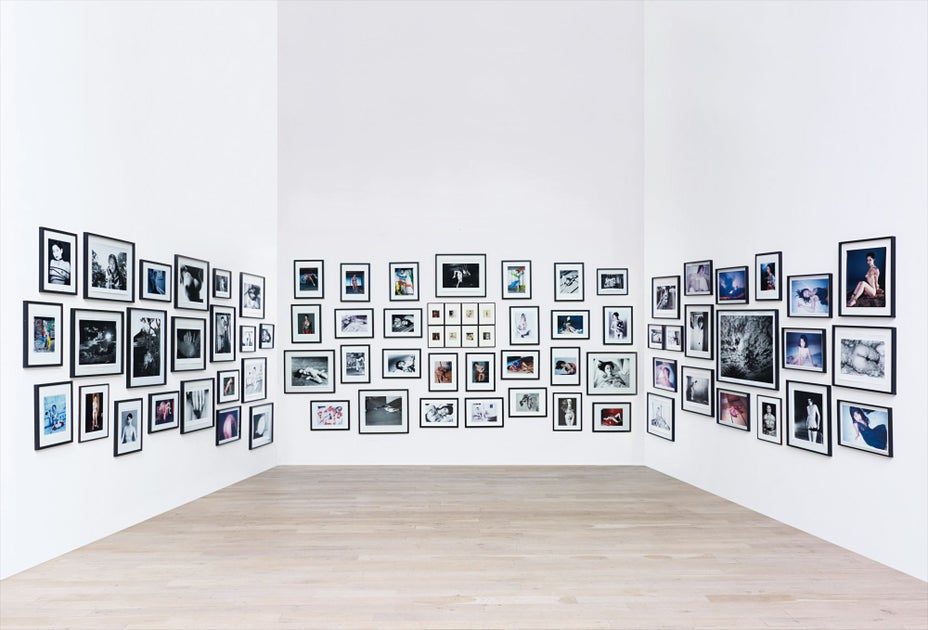
77 Works
Estimate
£100,000–120,000‡︎
Sold For
£110,500
n.d.
Twenty-nine digital chromogenic prints, twenty-seven gelatin silver prints, eight Polaroids, eight colour copy prints, three digital chromogenic prints with acrylic, one dye destruction print and one chromogenic print.
Various sizes from 7.8 x 7.7 cm (3 1/8 x 3 in) to 60 x 75.5 cm (23 5/8 x 29 3/4 in) or the reverse
Each variously signed; six titled, dated; three annotated in Japanese; eight initialled ‘A’; three with self-portrait doodle, all in ink or pencil, on the recto or verso.
Full-Cataloguing
"What makes (photography) obscene is its terrible cruelty. Happiness may be fleeting but it is the reason we go on living. Photography is the joy that precedes pain, the moment of life just before death."
NOBUYOSHI ARAKI
For anyone who truly is drawn to the work of the great Japanese protagonist, Nobuyoshi Araki, a commonality must be the desire to break down some of the prejudices that exist in relationship to his work. These frustrating but sometimes understandable assumptions can only block a truer appreciation of the artist’s expressive energy, insatiable appetite for life lived at its most sensuous level and the richness that his quick fire performing camera conjures.
Multiplicity is key when viewing the stories that Araki presents – strewn with cultural references and littered with props which prick at our sense of humour immediately but also our sense of soul for so much longer, leaving a deep impression and a wish to see more of his theatrical subjects interact alongside each other. Leaving aside a certain hedonism one cannot ignore the steepingly poetic thread that runs between day and night, metropolis and intimate stage, love and death, beauty and ruin, all obsessions which form the foundations of Araki’s intense and complex landscape.
Continuing the tradition of early Japanese Culture, the erotic content of Araki’s photographs has been likened to notable examples of early Japanese painting; one such reference being the emakimono paintings from the Kamakura period (1185-1333) which focus on erotic themes combined with social satire.
Essentially through the cycles he presents and the instinctive talent he has to juxtapose and edit his cathartic visual journey by moving the viewer towards an ‘awareness’ of living – and the chance for us to find ourselves faced with a new experience through his serialization, something which astounds us as though we are seeing for the first time. As if that wasn’t in itself an achievement of epic proportions - he could also be considered one of the most efficacious contemporary interpreters of sensuality alive.
NOBUYOSHI ARAKI
For anyone who truly is drawn to the work of the great Japanese protagonist, Nobuyoshi Araki, a commonality must be the desire to break down some of the prejudices that exist in relationship to his work. These frustrating but sometimes understandable assumptions can only block a truer appreciation of the artist’s expressive energy, insatiable appetite for life lived at its most sensuous level and the richness that his quick fire performing camera conjures.
Multiplicity is key when viewing the stories that Araki presents – strewn with cultural references and littered with props which prick at our sense of humour immediately but also our sense of soul for so much longer, leaving a deep impression and a wish to see more of his theatrical subjects interact alongside each other. Leaving aside a certain hedonism one cannot ignore the steepingly poetic thread that runs between day and night, metropolis and intimate stage, love and death, beauty and ruin, all obsessions which form the foundations of Araki’s intense and complex landscape.
Continuing the tradition of early Japanese Culture, the erotic content of Araki’s photographs has been likened to notable examples of early Japanese painting; one such reference being the emakimono paintings from the Kamakura period (1185-1333) which focus on erotic themes combined with social satire.
Essentially through the cycles he presents and the instinctive talent he has to juxtapose and edit his cathartic visual journey by moving the viewer towards an ‘awareness’ of living – and the chance for us to find ourselves faced with a new experience through his serialization, something which astounds us as though we are seeing for the first time. As if that wasn’t in itself an achievement of epic proportions - he could also be considered one of the most efficacious contemporary interpreters of sensuality alive.