16Δ︎
Blancpain
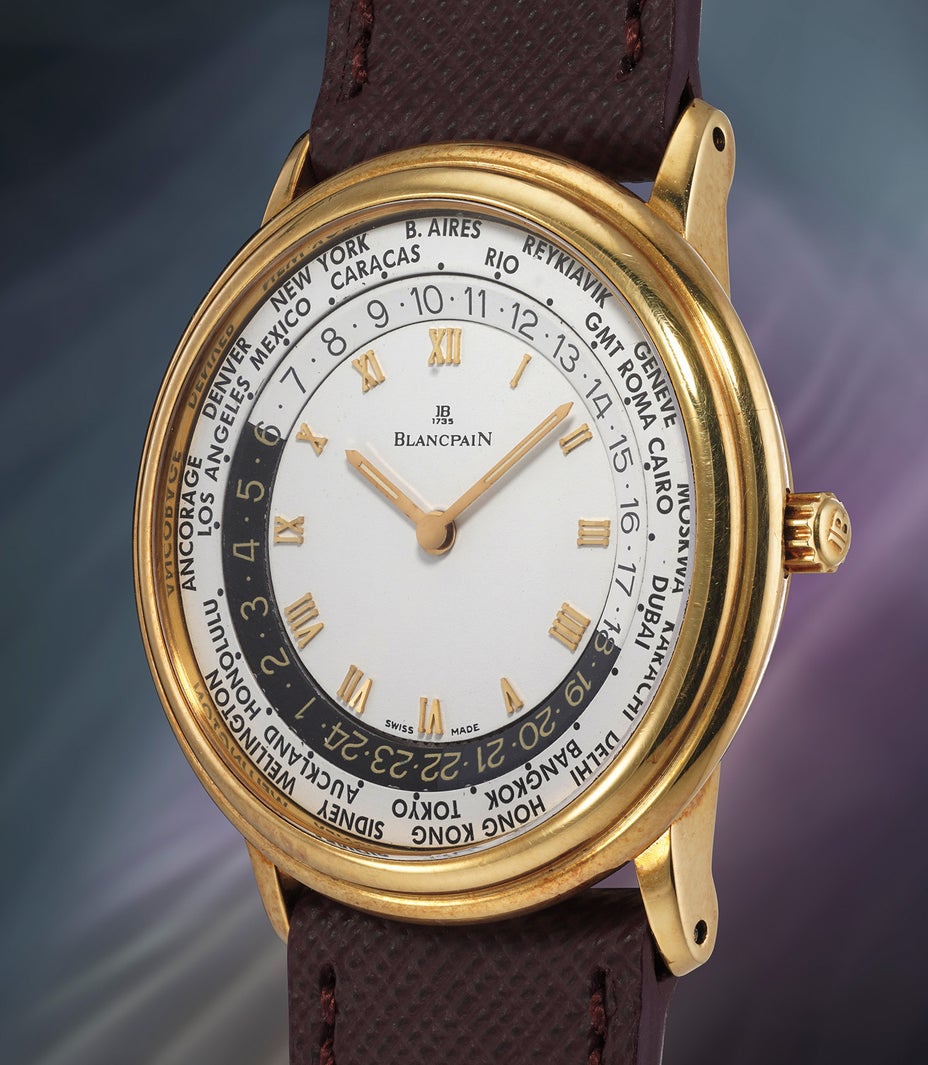
World time Prototype
A very fine, attractive and possibly unique yellow gold world time automatic wristwatch and J.P. Hagmann case
Full-Cataloguing
The philosophy of the two masterminds behind the Blancpain revival of the 1980s-1990s was to create watches representing the most complex and relevant complications found in watchmaking, that they called the 6 Masterpieces: the ultra slim (not a complication per se but the difficulty of execution made it a valid candidate), the full calendar moonphase, the perpetual calendar, the chronograph, the minute repeater and the tourbillon. By the end of the 1980s the brand had released all these complications and had even started creating watches mixing these complications together.
However, a worldtime wristwatatch was never part of the 6 Masterpiece philosophy and never found in the Blancpain catalogues of the time. Jean-Claude Biver confirmed that the present example was a one off prototype that never made it into serial production.
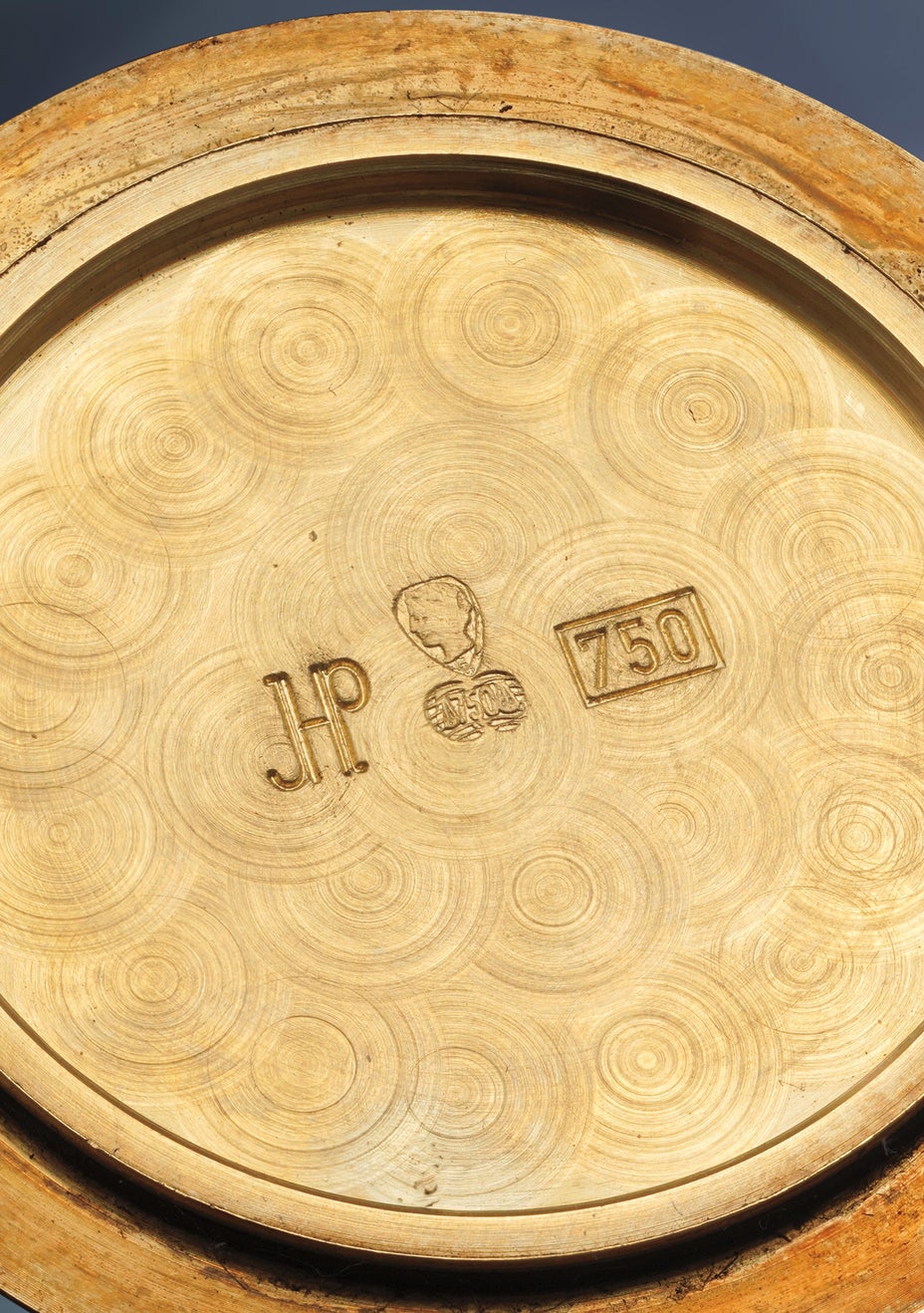
The worldtime mechanism was developed by Svend Andersen, who had opened his workshops in the early 1980s and had started creating worldtime wristwatches inspired by the famous models made by Cottier in the 1940s with all functions intelligently controlled via the crown. Another great name is associated to this piece as the case was made by JP Hagmann (whose initials are engraved inside the caseback), who is considered one of the (if not the) best case maker in the entire history of horology.
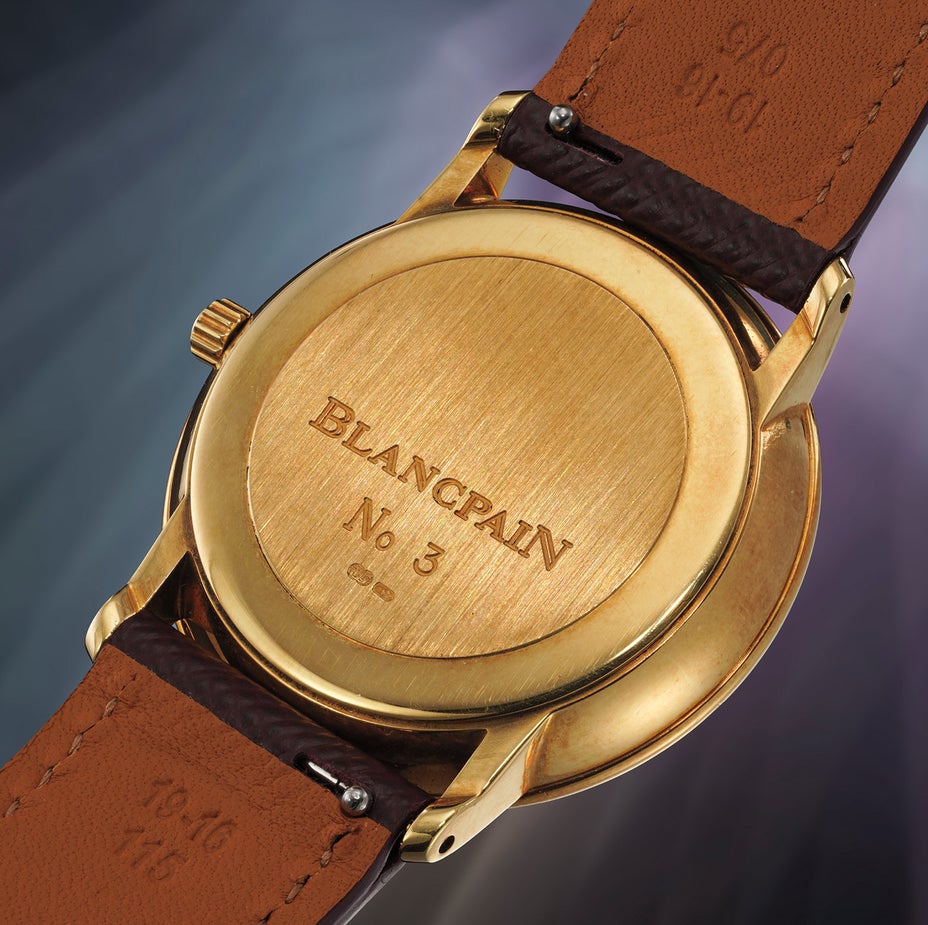
Even though the caseback is stamped with number 3 the present Blancpain Worldtime, making its auction debut close to 30 years after production, is the only one known.
Blancpain
Swiss | 1735As the watchmaking brand with the earliest founding date, Blancpain remains close to tradition, concentrating on classical mechanical watches. Established in 1735 by Jehan-Jacques Blancpain, the Le Brassus manufacturer today continues to innovate with the development of high-quality calibres and is proud of their heritage, having never made quartz watches. One of the firm's greatest successes was the Fifty Fathom wristwatch introduced in 1953 — the vintage models of which are now highly coveted by collectors. The earliest dive watch available to the market, Fifty Fathom came out a year prior to Rolex's Submariner. Another key model is the Air Command from the 1960s, considered one of the most mythical collector's watches due to their extreme rarity. Today, the firm specializes in creative innovated complicated timepieces.