44
Mira Schendel
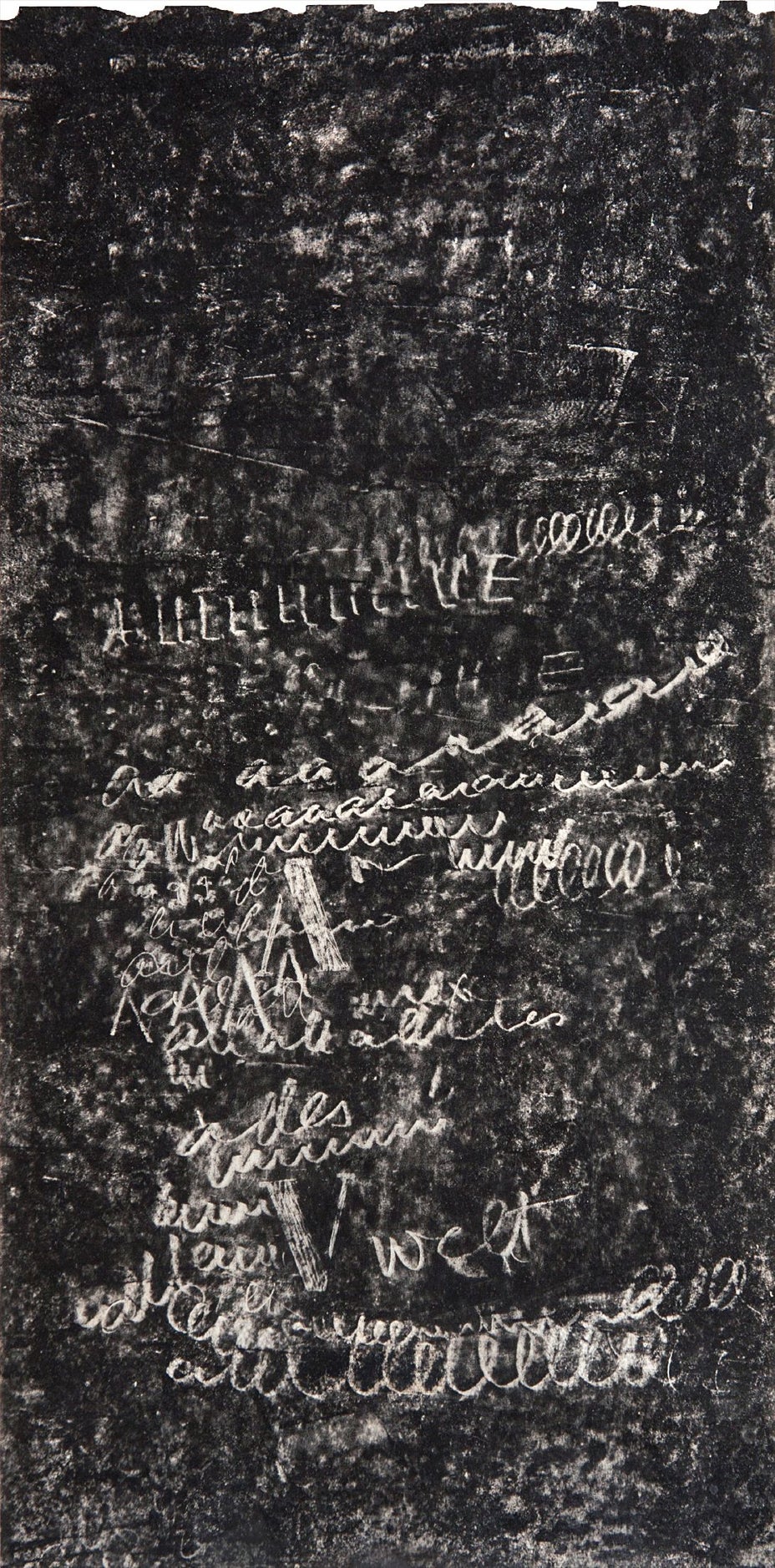
Untitled (monotipias)
Full-Cataloguing
Mira Schendel: Monotypes, exh. cat., Stephen Friedman Gallery, London, 2009
Mira Schendel
Brazilian | B. 1919 D. 1988Born in Zurich and of Jewish heritage, Mira Schendel escaped Switzerland during World War II to settle in Sarajevo and Rome, finally immigrating to Brazil in 1953. In the 1960s, she began to produce her iconic monotipas, delicate drawings on luminescent rice paper. She rejected the notion of painting as a primary medium, abandoning the genre in the 1970s for almost a decade. Schendel worked mostly with paper and objects made of unusual materials such as Plexiglas, fabrics and aqueous inks.
Recurring themes in her work include letters, geometric figures and phrases reflecting a radical lexicon, often juxtaposing elements from two languages (visual and numerical). Many of her works hover in the space between drawing and writing, creating a certain visual poetry that is completely her own. Schendel's works go beyond the materiality of making art and allow viewers to understand the relationship between language, time and human thought processes.