27

Patek Philippe

Ref. 2523

"Polychrome Two-crown World-time", "Doppia Corona Policromo"

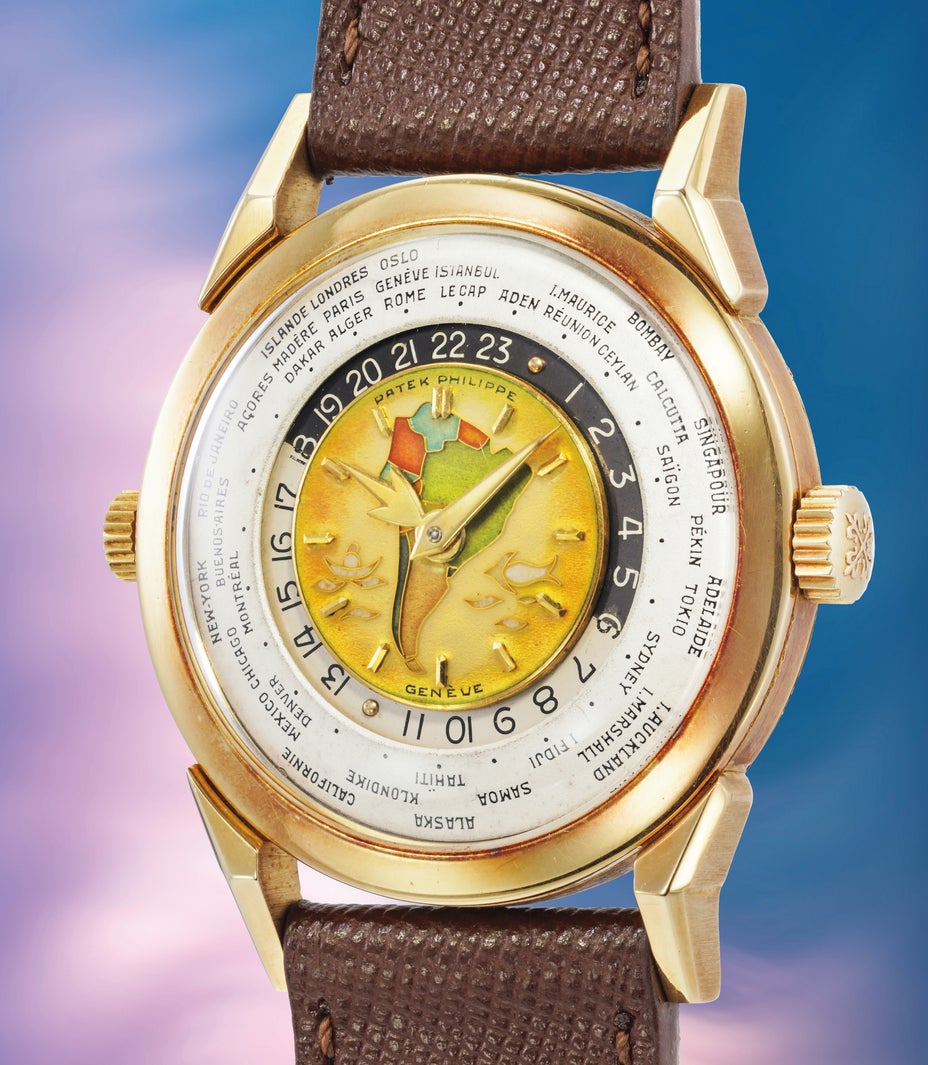
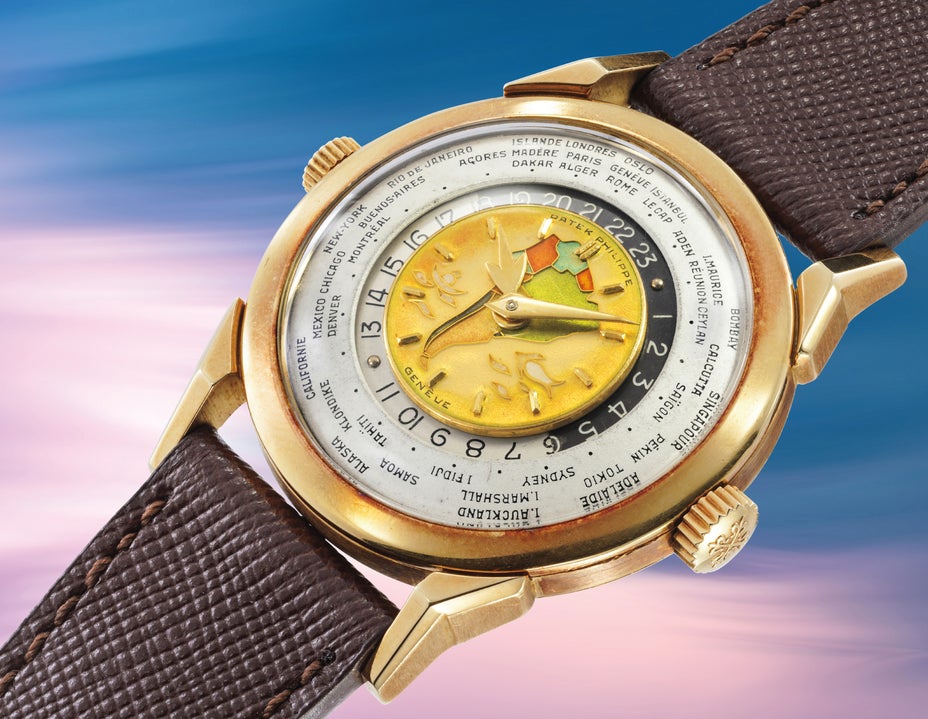
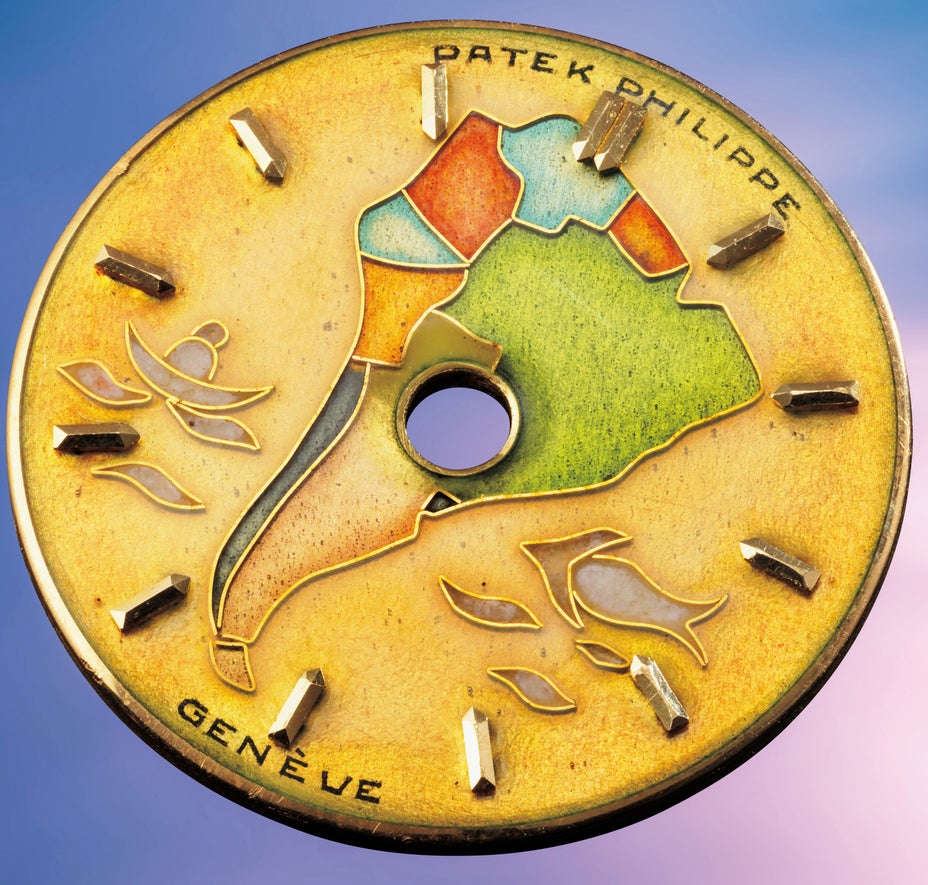
An enormously attractive, rare and important yellow gold two-crown world-time wristwatch with cloisonné enamel dial depicting the map of South America; one of two pieces known and the only one to ever appear at public auction

CHF5,000,000–10,000,000
€5,490,000–10,980,000
$6,340,000–12,680,000
Live 9 May, 2 PM Switzerland Time
Patek Philippe
1953
2523
722'711
306'212
"Polychrome Two-crown World-time", "Doppia Corona Policromo"
18k yellow gold
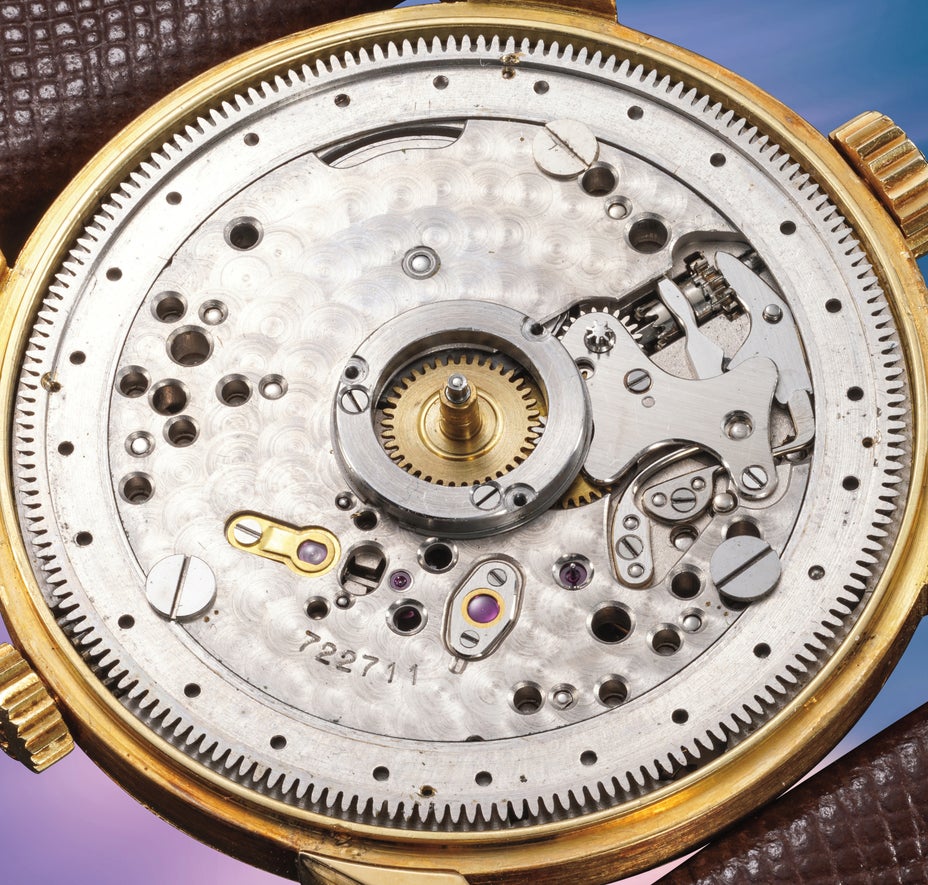
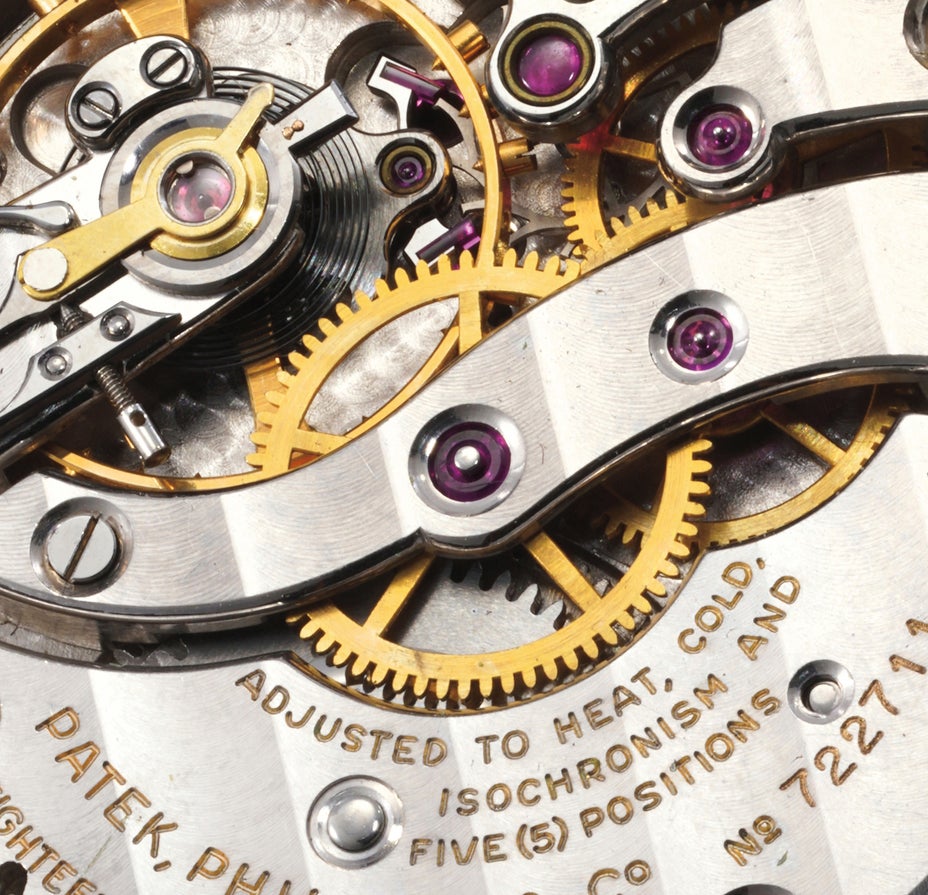
Manual, cal. 12'''400 HU, 18 jewels
Leather
18k yellow gold Patek Philippe pin buckle
36mm diameter
Case, dial, movement and buckle signed
Accompanied by Patek Philippe Extract from the Archives dated 4 March 2026 confirming production of the present watch in 1953 with "enamel dial, South America" and "applied yellow gold hour markers", and its subsequent sale on February 3, 1958.
Good To Know:

- Two-crown world-time with polychrome enamel representing South America
- This is the only South America 2523 to ever have surfaced at auction, appearing once before in 1988.
- Considered one of the Ultimate Trophies by collectors
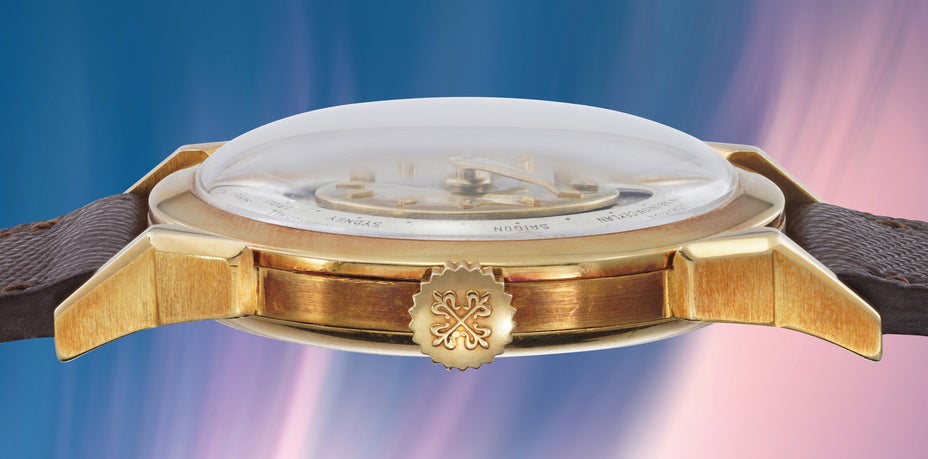
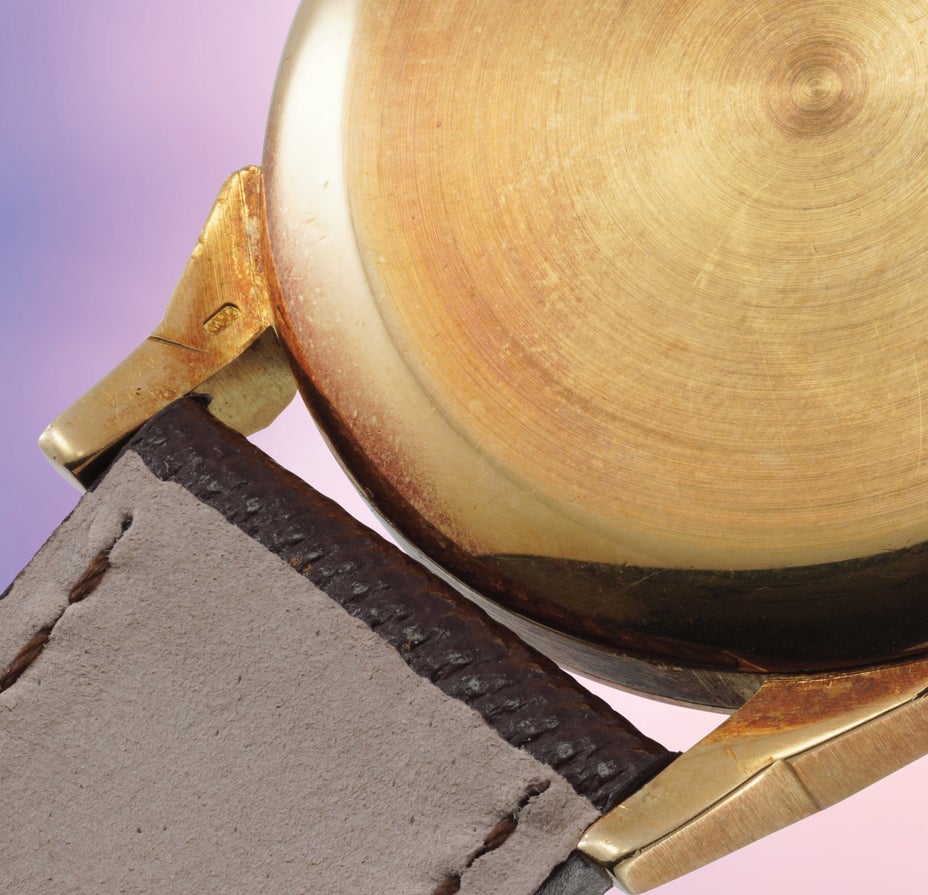
- Featuring a flawless enamel map and very well preserved case

Immediately at the beginning of "structured" wristwatch collecting, in the 1980s, some models emerged as true champions of horology. These references, by virtue of their aesthetic appeal, rarity and refinement, not only rose right away to the top of the wish lists of collectors (and never left that spot since — a testament itself to the true timeless appeal of such pieces) but they have furthermore been since regarded as absolute masterpieces, the final pinnacles of watch collecting as a field.

We are talking of models (or variations of models) that are by now functionally embedded in the psyche of any watch collector as "The Ultimate Trophies." Needless to say, this is an extremely restricted group of watches, overall comprising a handful of specimens, with some examples being the Patek Philippe 1518 in steel, the Rolex 6062 "Bao Dai" variations, Paul Newman’s Paul Newman Daytona, or the presently exemplified Patek Philippe "Cloisonné Two-crown" pieces, or as they are known to Italian collectors: “Doppia Corona Policromi”.

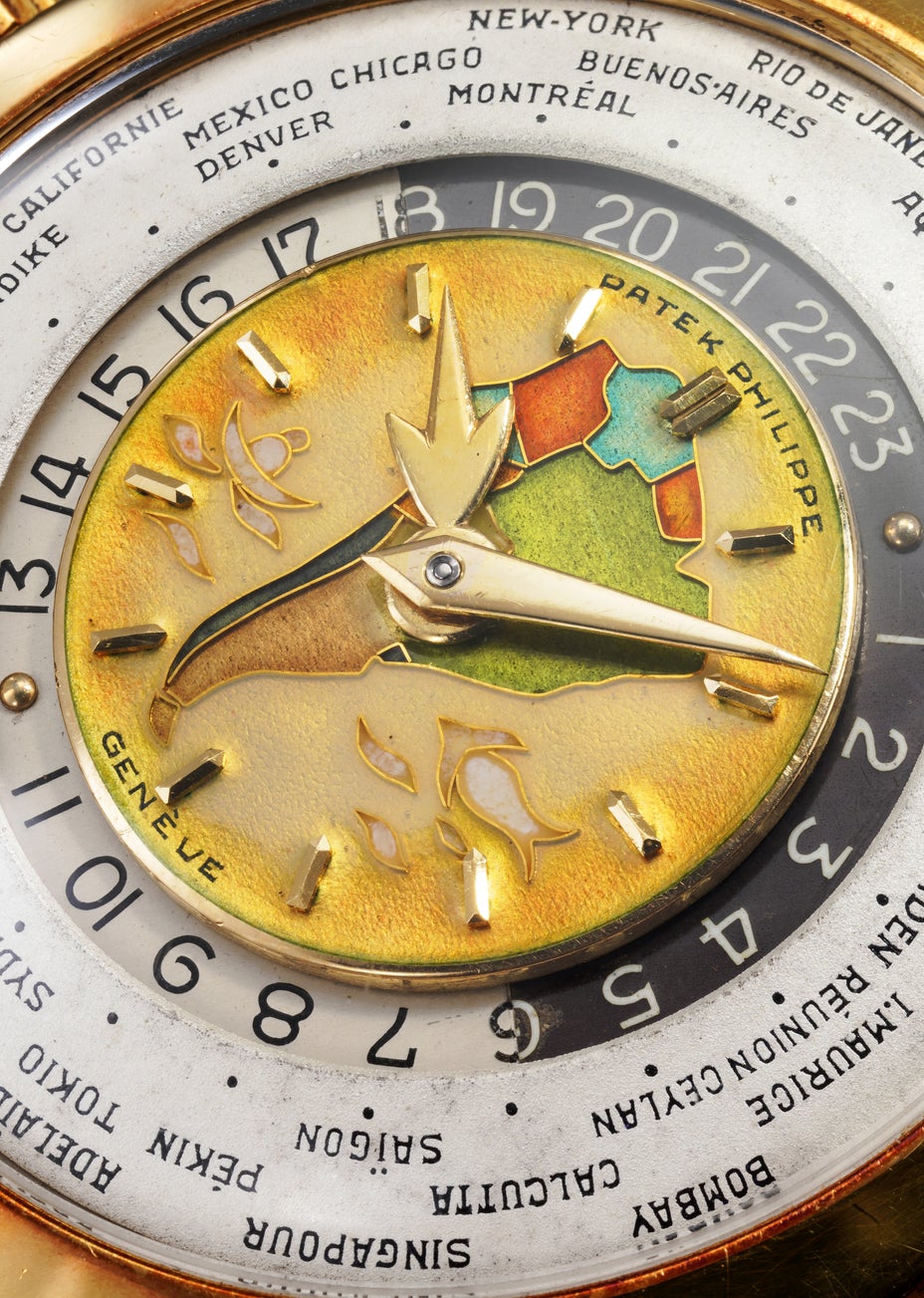
Arguably the most eye-catching models among this "endgame" category of timepieces, Patek Philippe reference 2523 world-time wristwatches with polychrome cloisonné enamel dial are defined and instantly recognized by the multicolour enamel disc at the centre of the dial representing geographical maps, with three distinct known iterations: Eurasia, North America and South America. They are created by partitioning the dial with gold wires which outline the intended design, and subsequently filling with enamel the resulting compartments ("cloisons"). The final result is of breathtaking aesthetic impact. This is especially true of vintage pieces, as some of the compounds used by enamellers at the time are today no longer available. Consequently, vintage cloisonné enamels retain a shine, glossiness and depth with which their modern counterparts unfortunately cannot compete.

Cloisonné enamel versions of ref. 2523, as mentioned, are considered ultimate goals for any collector; this is also due to the fact that they represent the most rare and striking iteration of what is in itself — even in its "base form", if such a term can be applied in this instance — one of the most sought-after watch models of all time. After all, it is not a coincidence that the Patek Philippe Museum houses 4 examples of these hallowed wristwatches: 2 North America, 1 Eurasia, and 1 2523-1 with silvered dial.

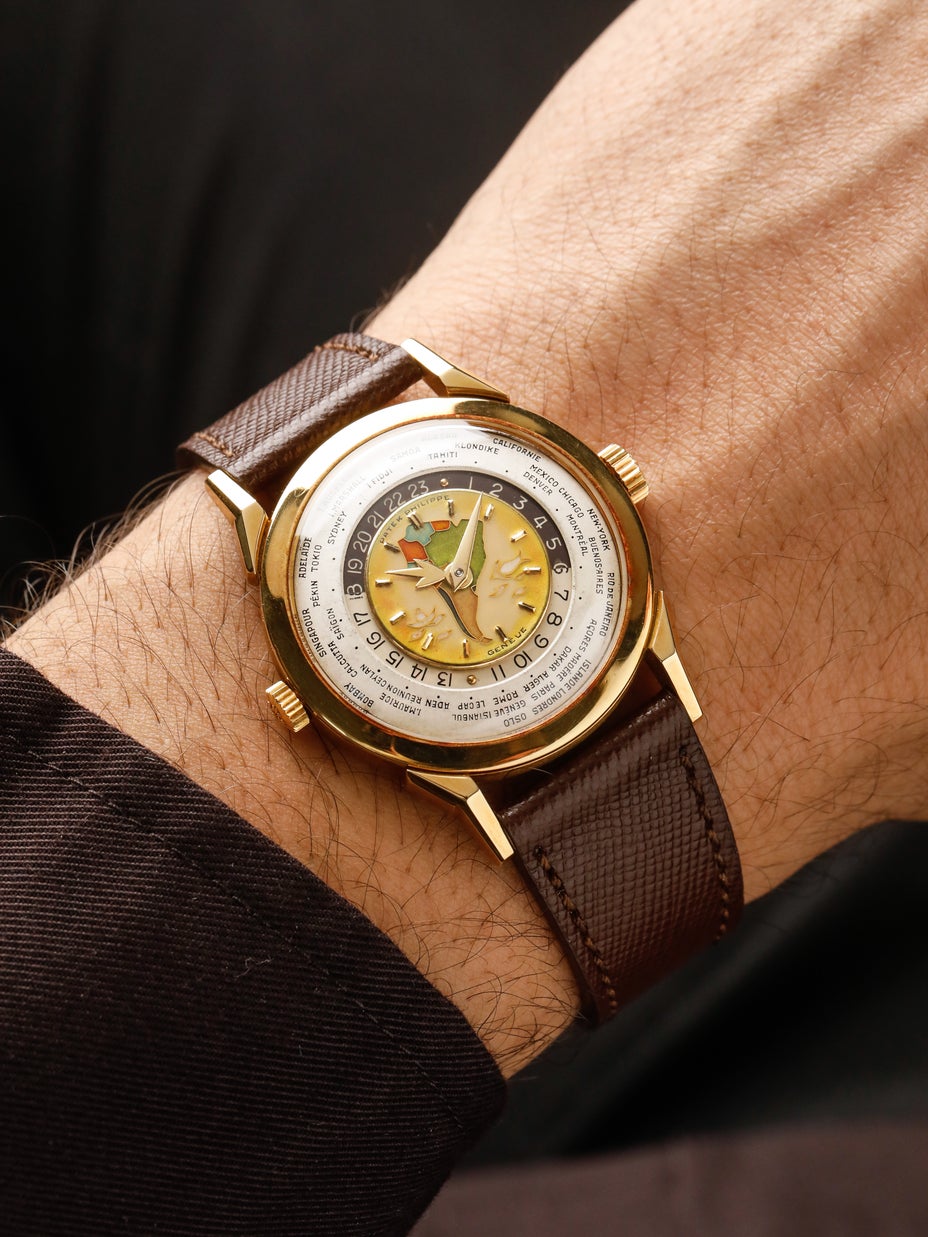
Reference 2523 was launched in 1953 and represents the second serially produced iteration of world-time wristwatches by Patek Philippe, following reference 1415. In the mid-1950s, it was slightly upgraded to ref. 2523-1, featuring minor aesthetic differences, but the core design remained the same: compared to its predecessor ref. 1415, the case underwent a substantial size increase to 36mm, and an additional crown was placed at 9 o'clock — thus its moniker "Two-crown", or "Doppia Corona" in Italian — to manage the time zone. To set the time, one first adjusts local time via the crown at 3 o'clock, then rotates the crown at 9 o'clock until one's current city appears at the 12 o'clock position, simultaneously calibrating all other world cities at a glance. In ref. 1415, the time zone adjustment was achieved via a revolving bezel with the cities engraved onto it, while in ref. 2523 the 9 o'clock crown instead adjusts a city ring within the dial itself. The world time system was at the time somewhat of a novelty, as it had been originally devised by watchmaker Louis Cottier in 1931, and soon adopted by many brands. The complication addressed a previously non-existent issue: simultaneously knowing the time all around the globe. The evolution of international communication had just begun to allow instantaneous intercontinental communication, thus prompting — for example — the savvy New York businessman to need to know the time in, say, Japan if he were to place a call there.

While today the complication is celebrated as a design and practical milestone — with multiple modern iterations and evolutions by many brands — at the time it was scarcely understood. In fact, one can even notice a little bit of fatigue, or exhaustion of the novelty effect, with the complication in the 1950s: if the previous model ref. 1415 was made in more than 100 pieces, the production of both two-crown models combined is about 50–60 pieces.
Further substantiation of this hypothesis is the long amount of time that passed between the production and the sale of most of these watches. The present example, for instance, was made in ’53 and sold 5 years later. Another example - no. 720’303 with Eurasia map, now at the museum - was sold in 68. Another museum example - no. 724’315, ref. 2523-1 - was never even sold at all!
Today, with the model's beauty and importance being universally recognized, such a restricted production simply increases its appeal.

The two-crown models and ref. 1415 are the only vintage world-time wrist references serially produced by PP, but the brand experimented with other iterations as well: ref. 515 HU — with one example residing in the Patek Philippe Museum — was a rectangular watch with fixed city ring, a characteristic shared by ref. 96 HU in its Calatrava case. After these models, three further prototype references were developed: the ref. 542 HU (circa five examples, 1937–38), the ref. 1416 HU (circa three examples, 1939, distinguished by its unusual bean-shaped lugs), and an early prototype trio of the ref. 1415.
Another unusual model is Ref. 1415/1, combining the world-time complication with a chronograph.

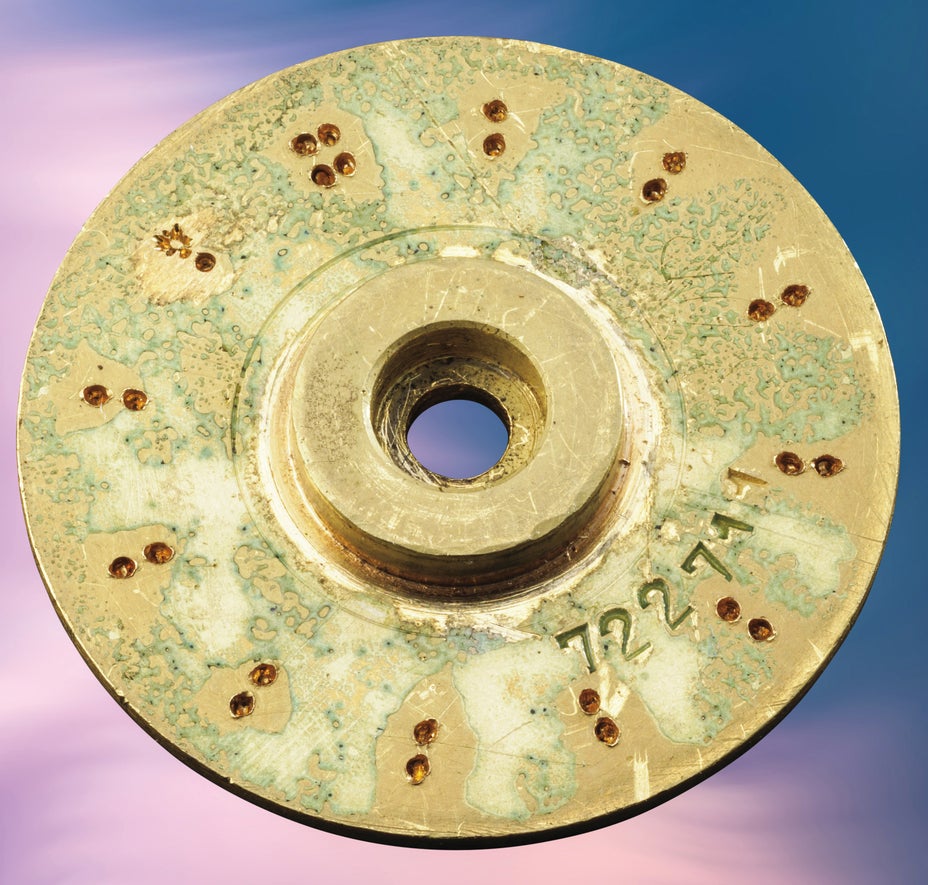
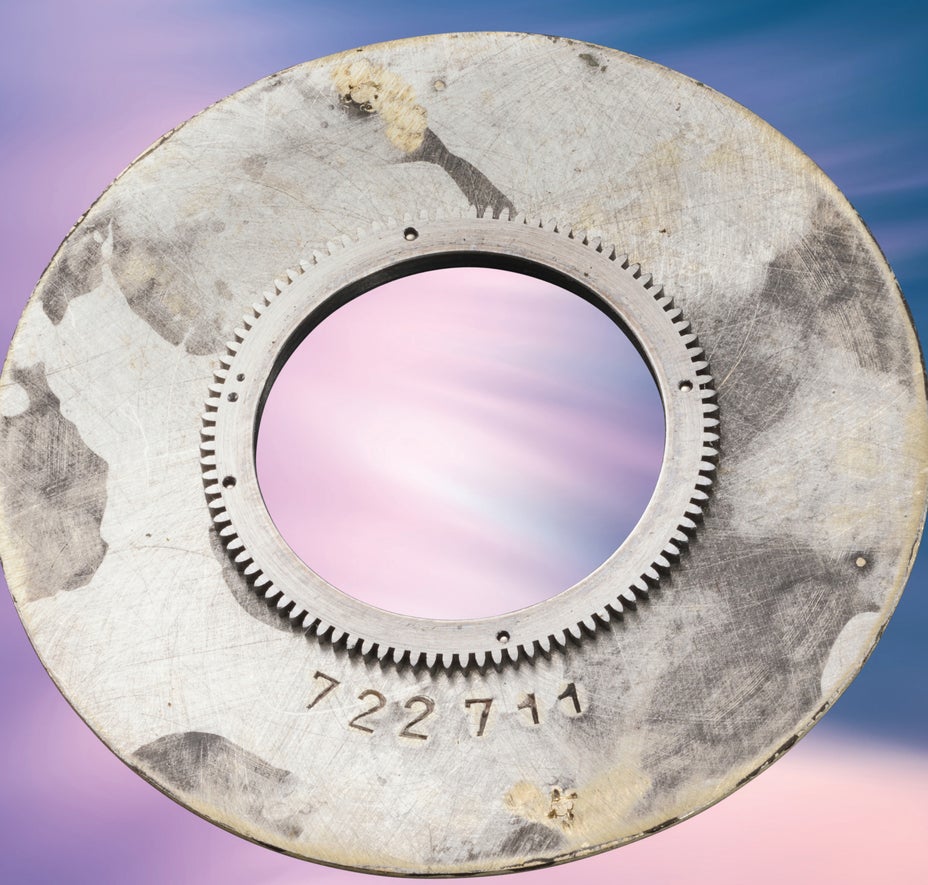
Reference 2523 thus represents the final and most refined chapter of this remarkable vintage lineage. The attention and care with which every relevant component of the watch is marked and assembled shines a spotlight on both Patek Philippe’s extraordinary standard of quality and the intrinsically artisanal soul at the heart of this wristwatch. Not only the enamel disc is stamped to the back with the movement numbers, but the same treatment is reserved to the 24-hour ring as well; the city ring is instead hand-engraved (twice) with the last 3 digit numbers of the movement “711”. Of course, the movement number is stamped to the back of the movement - together with the 2 Geneva Seals, representing the excellence of the watch as per Geneva Canton stringent standards - and once again to the front of the movement, under the dial. It does not yet end there though: the bezel is hand-engraved to the inside with the last three digits of the case number “212”, and even the bridges are univocally linked (numbers to the underside) to this specific movement: such level of detail was reserved only for the most exclusive and lavish Patek Philippe creations of the time, further cementing the legendary status of this watch.

PRODUCTION NUMBERS AND VARIATIONS:

A comprehensive list of all the publicly sold 2523 can be found at the end of this essay.

The movement production for reference 2523 was made in two batches, one starting with movement no. 720’300, and the other with no. 722’700. Yellow, pink and white gold examples are known.
The latest known movement no. of the first batch is 720’308, and movement 720’312 is a ref. 96, thus the total output of this batch is between 9 and 12 pieces.
The latest known movement no. of the second batch is 722’719, and movement 722’724 is a ref. 2431, thus the total output of this batch is between 20 and 24 pieces.
Consequently, the total output for reference 2523 must be between 29 and 36 pieces.

Notwithstanding such a restricted output, the model enjoys remarkable diversity: 5 different dial configurations are known and 3 case metals - yellow gold (16 known examples), pink gold (5 known), and one example known in white gold.
Known dials for the model are: guilloché decor, blue enamel, and the three polychrome cloisonné enamel maps: North America (3 in yellow gold known, 1 in pink, 1 in white), Eurasia (3 examples known, all of them in yellow gold), and finally South America which appears to be the hardest-to-come-by of them all, with so far only the present watch ever appearing at auction. One other example in yellow gold bearing the movement number 722’710 - immediately preceding the one of the present watch - is known from the 1997 book “Patek Philippe Orologi Complicati da Polso”, and there are rumors within the watch collecting community of a third one in pink gold.

Beyond its rarity, the South American map can be considered the most playful and complex of the three in its design. While the Eurasia map has no decorative elements, and the North America map features a simple wind rose, the shape of South America leave ample empty space in the dial. Consequently, we find the delightful details of a fish (likely a whale) among waves to the East, and a boat to the West.

The present piece was seen at auction for the first (and, beyond this sale, only other) time in October 1988 in NY. It is a true pleasure and honor for Phillips to bring back to the auction block this horological treasure after nearly 40 years of absence from the market.

DETAILS OF PUBLICLY TRANSACTED (APPEARED AT AUCTION) REF. 2523 WATCHES:

FIRST BATCH

720’300 - 305’699 - YG - Guilloché

720’301 - 306’193 - YG - Eurasia

720’303 - 306’197 - YG - Eurasia - Patek Philippe Museum

720’304 - 306’201 - YG - Eurasia

720’308 - 306’199 - YG - Guilloché


SECOND BATCH

722’700 - 306’202 - YG - Guilloché

722’701 - unconfirmed - YG - Guilloché

722’702 - 306’207 - YG - Guilloché

722’703 - 306’208 - YG - Blue enamel

722’704 - 306’209 - YG - Blue enamel

722’705 - 306’204 - YG - Blue enamel

722’706 - 306’205 - YG - North America

722’707 - 307’475 - WG - North America - Patek Philippe Museum

722’708 - 306’210 - YG - North America

722’709 - 306’211 - YG - North America 

722’711 - 306’212 - YG - South America - the present watch

722’712 - 306’213 - PG - Guilloché

722’714 - 306’215 - PG - Blue enamel

722’715 - 306’216 - PG - Blue enamel

722’717 - 306’218 - PG - North America - Patek Philippe Museum

Patek Philippe

Swiss | 1839

Since its founding in 1839, this famous Geneva-based firm has been surprising its clientele with superbly crafted timepieces fitted with watchmaking's most prestigious complications. Traditional and conservative designs are found across Patek Philippe's watches made throughout their history — the utmost in understated elegance.

Well-known for the Graves Supercomplication — a highly complicated pocket watch that was the world’s most complicated watch for 50 years — this family-owned brand has earned a reputation of excellence around the world. Patek's complicated vintage watches hold the highest number of world records for results achieved at auction compared with any other brand. For collectors, key models include the reference 1518, the world's first serially produced perpetual calendar chronograph, and its successor, the reference 2499. Other famous models include perpetual calendars such as the ref. 1526, ref. 3448 and 3450, chronographs such as the reference 130, 530 and 1463, as well as reference 1436 and 1563 split seconds chronographs. Patek is also well-known for their classically styled, time-only "Calatrava" dress watches, and the "Nautilus," an iconic luxury sports watch first introduced in 1976 as the reference 3700 that is still in production today.

Browse Maker