

78
Shiro Kuramata
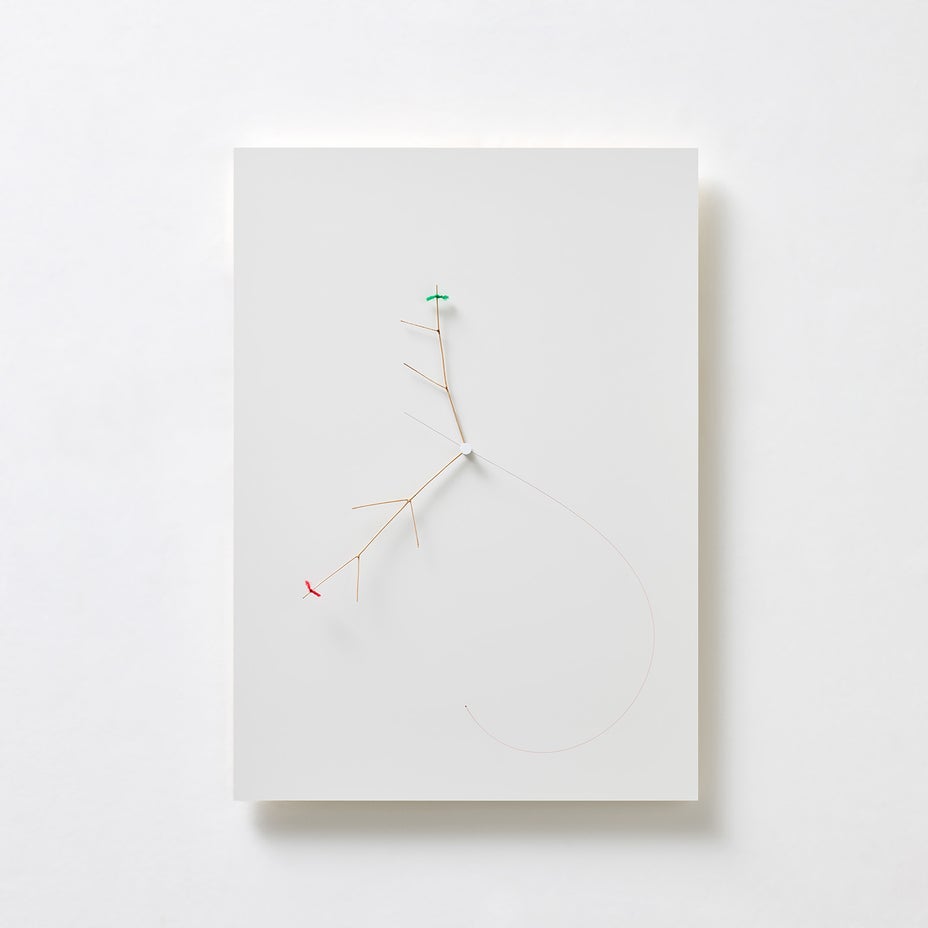
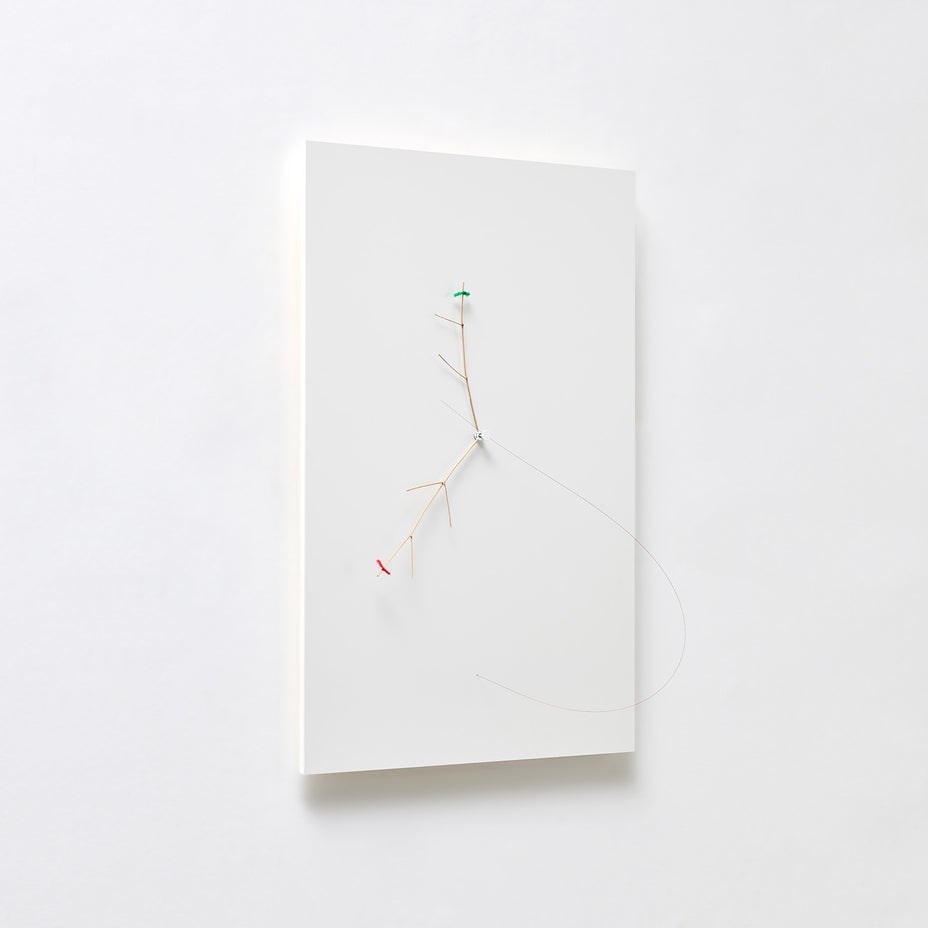
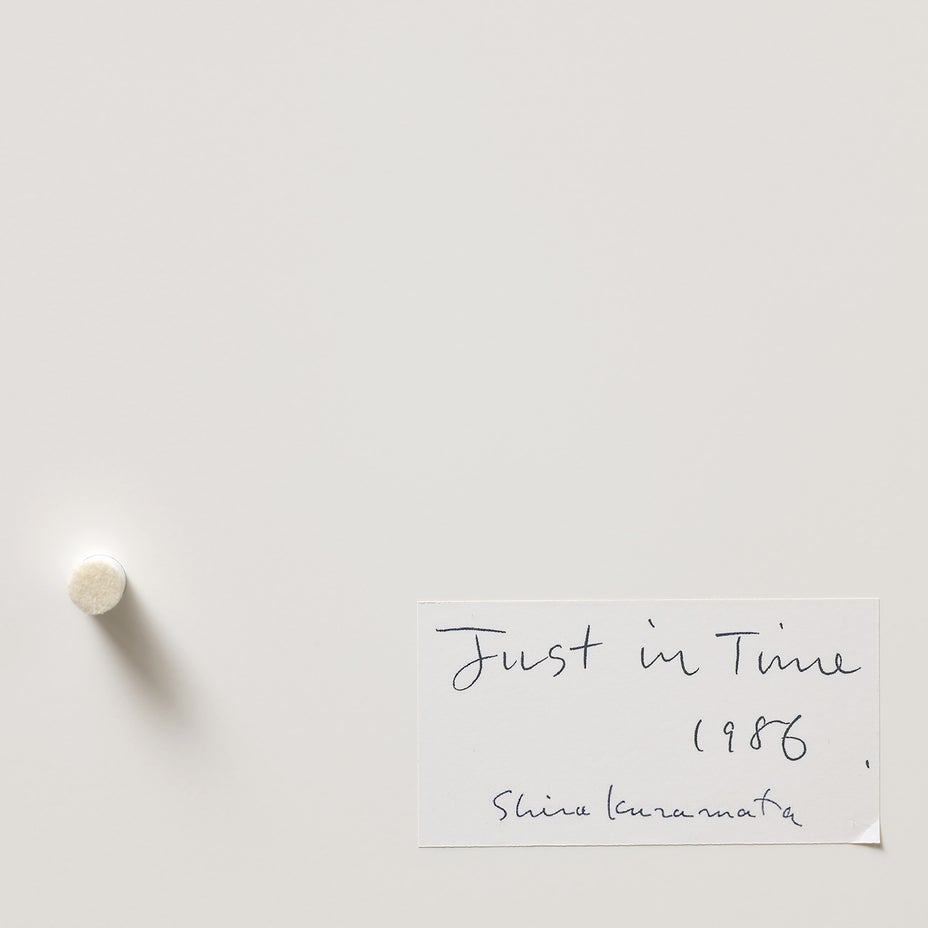
'Just in Time' clock
Full-Cataloguing
Shiro Kuramata
Japanese | B. 1934 D. 1991Shiro Kuramata is widely admired for his ability to free his designs from gravity and use materials in ways that defied convention. After a restless childhood, his ideas of being an illustrator having been discouraged, Kuramata discovered design during his time at the Teikoku Kizai Furniture Factory in Arakawa-ku in 1954. The next year he started formal training at the Department of Interior Design at the Kuwasawa Design Institute. His early work centered on commercial interiors and window displays. In 1965, at the age of 31, he opened his own firm: Kuramata Design Office.
Throughout his career he found inspiration in many places, including the work of Italian designers (particularly those embodying the Memphis style) and American conceptual artists like Donald Judd, and combined such inspirations with his own ingenuity and creativity. His dynamic use of materials, particularly those that were transparent, combination of surfaces and awareness of the potential of light in design led him to create objects that stretched structural boundaries and were also visually captivating. These qualities are embodied in his famous Glass Chair (1976).