175
Thomas Schütte
United Enemies (A Play in Ten Scenes)
Estimate
£100,000–150,000‡︎♠︎
Sold For
£102,500
each signed, numbered and dated 'Thomas Schütte 1994 35/35' lower right margin
portfolio of 10 offset lithographs
each 66.5 x 96 cm (26 1/8 x 37 3/4 in.)
Executed in 1994, this work is number 35 from an edition of 35.
Full-Cataloguing
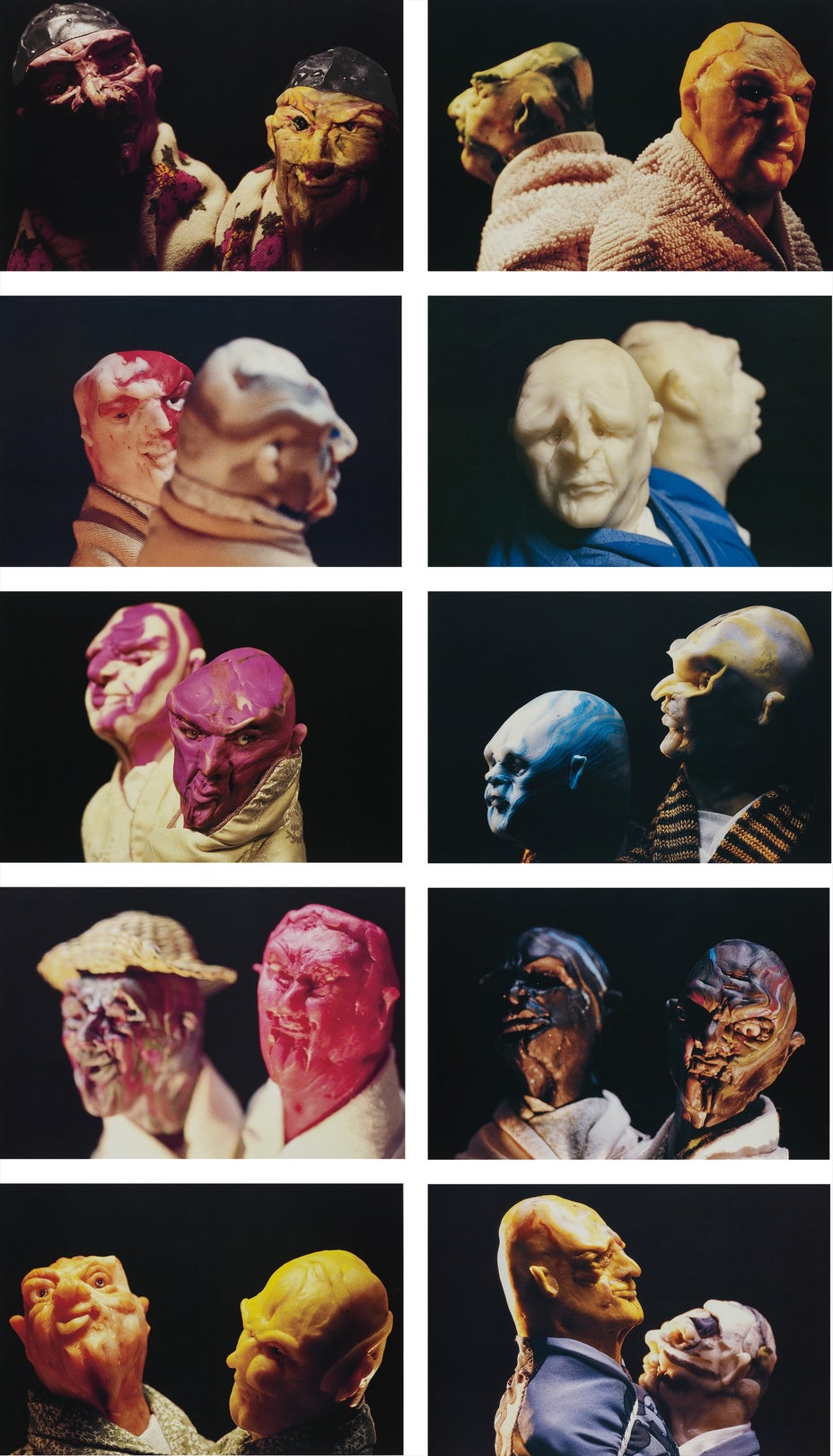
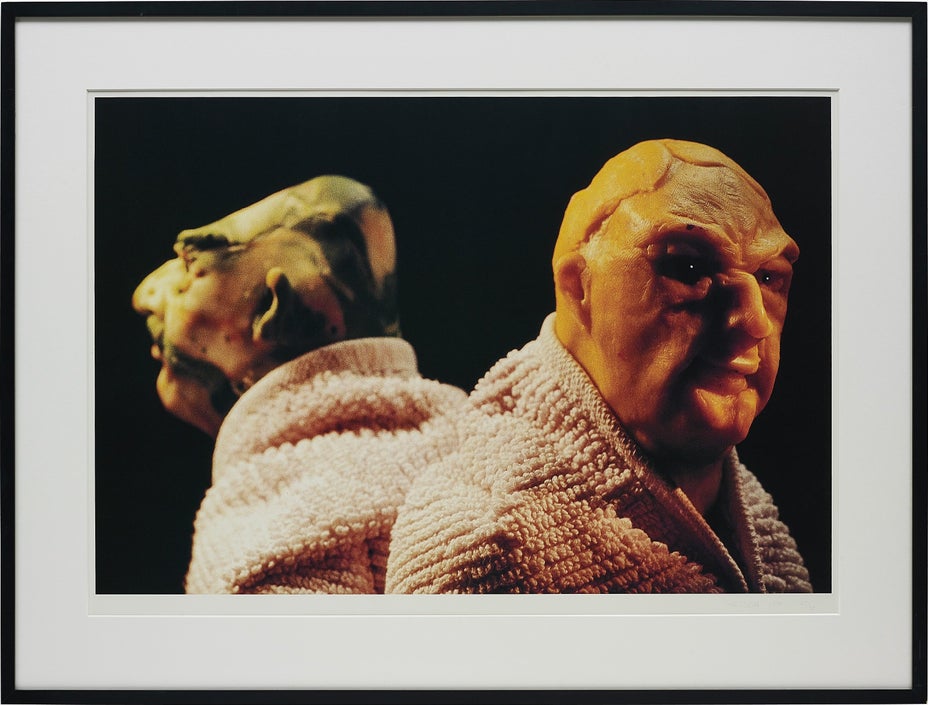
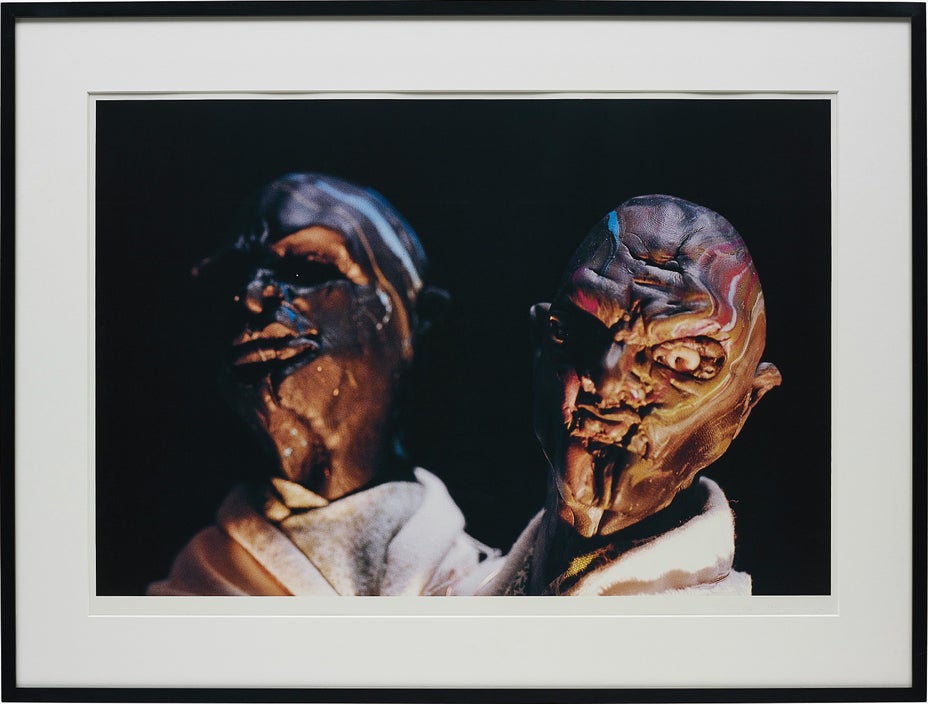
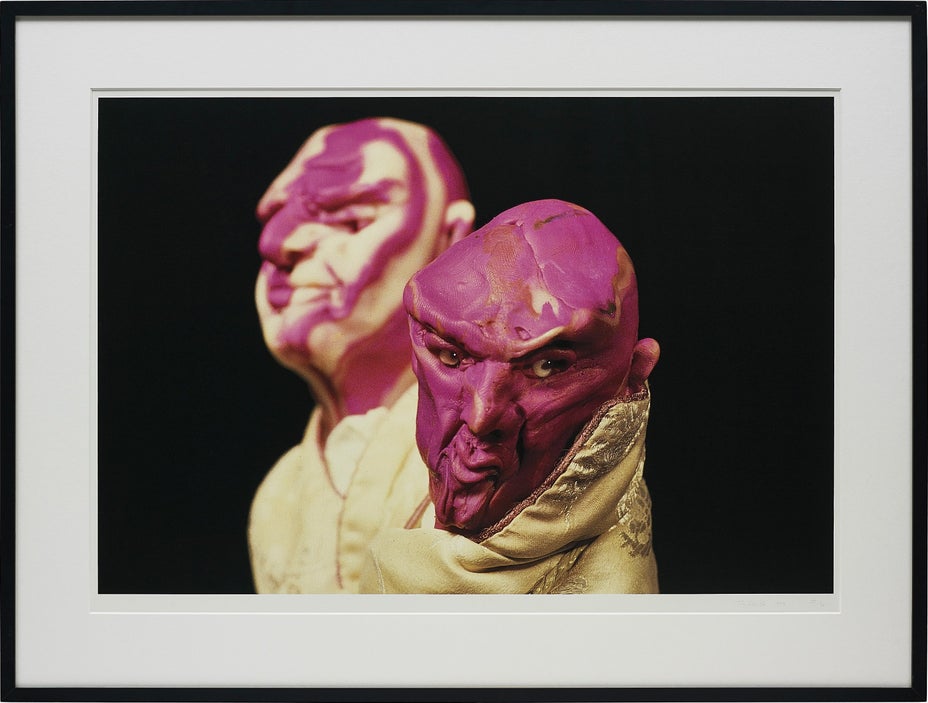
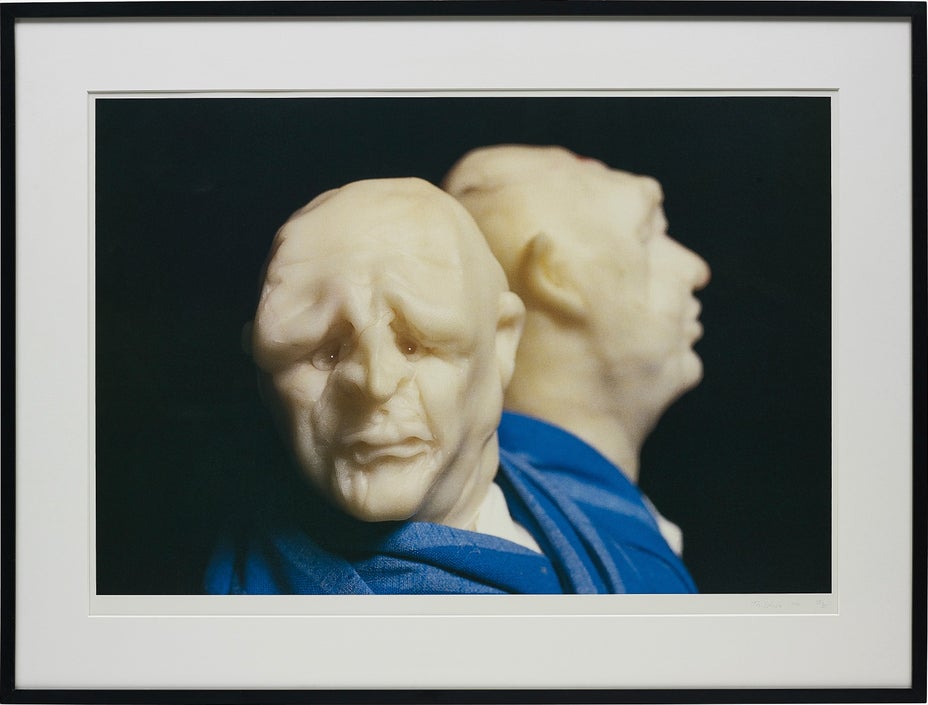
Unnerving and intriguing, Thomas Schütte’s United Enemies (A play in Ten Scenes) is exemplary of the artist’s experiments with the expressive potential of the human form. From his series of sculptures and photographs concerned with mortality and the curiosity of humanity, the ghoul-like figures dramatically present the distorted extremes of humanity. With exaggerated features and extravagant facial gestures, the figures comment on the paradoxical nature of the human condition, channelling the 17th and 18th century fascination with the excesses of emotion and facial expression. The prints, based upon the sculptures, are exemplary of the interwoven nature of the artist’s multi-disciplinary and varied oeuvre. Formed in malleable Fimo polymer modelling clay, the artist dressed the modest figures in cloth before binding them together with cord. Placing each pair against a lit background, Schütte photographed the spirits before enlarging the image and creating his series of prints. The artist subsequently added a fleck of white pigment to the iris of each eye, emphasising the intriguing hollowness of each haunting figure. In United Enemies: A Play in Ten Scenes, the artist builds cinematographic settings, choreographing a production of sorts with his puppet theatre arranged with lights and a stage.
Describing the forms as a ‘definitive model for a permanent situation’ (Thomas Schütte, quoted in Hans Ulrich Obrist, ‘Reality Production: Thomas Schütte’, Mousse Magazine, no. 28, April–May 2011, online), the artist considered his United Enemies (A Play in Ten Scenes) an investigation into the novelty of relation and the interaction between friends and enemies. From another realm, yet formed to question the marvel of human existence, the inhuman figures from Schütte’s whimsical oeuvre exude unnerving yet exuberant agony.
Having studied under Gerhard Richter and Fritz Schwegler at the Kunstakademie Düsseldorf, Schütte became entwined in fundamental debates surrounding sculpture in the 1970s. Following this, concerned with the legacies of conceptualism and minimalism, the artist studied classical sculpture in Rome, ascribing some of his inspiration to busts of Roman portraits in the Capitoline Museum. The ashen, hairless figures presented in Schütte’s prints juxtapose the familiar and individual with the immense. Exuding mortality and packed with human expression, the present work explores symbolic artistic customs whilst interrogating the emotion of human relation.
Describing the forms as a ‘definitive model for a permanent situation’ (Thomas Schütte, quoted in Hans Ulrich Obrist, ‘Reality Production: Thomas Schütte’, Mousse Magazine, no. 28, April–May 2011, online), the artist considered his United Enemies (A Play in Ten Scenes) an investigation into the novelty of relation and the interaction between friends and enemies. From another realm, yet formed to question the marvel of human existence, the inhuman figures from Schütte’s whimsical oeuvre exude unnerving yet exuberant agony.
Having studied under Gerhard Richter and Fritz Schwegler at the Kunstakademie Düsseldorf, Schütte became entwined in fundamental debates surrounding sculpture in the 1970s. Following this, concerned with the legacies of conceptualism and minimalism, the artist studied classical sculpture in Rome, ascribing some of his inspiration to busts of Roman portraits in the Capitoline Museum. The ashen, hairless figures presented in Schütte’s prints juxtapose the familiar and individual with the immense. Exuding mortality and packed with human expression, the present work explores symbolic artistic customs whilst interrogating the emotion of human relation.