

47
Wifredo Lam
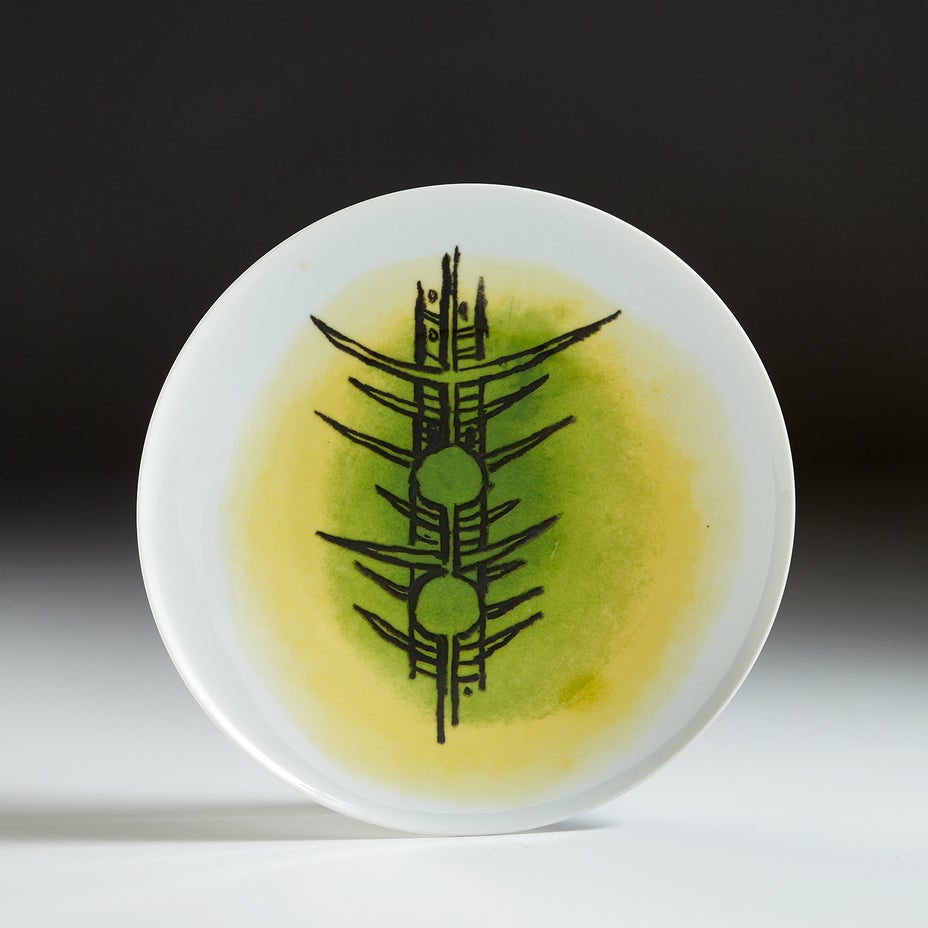
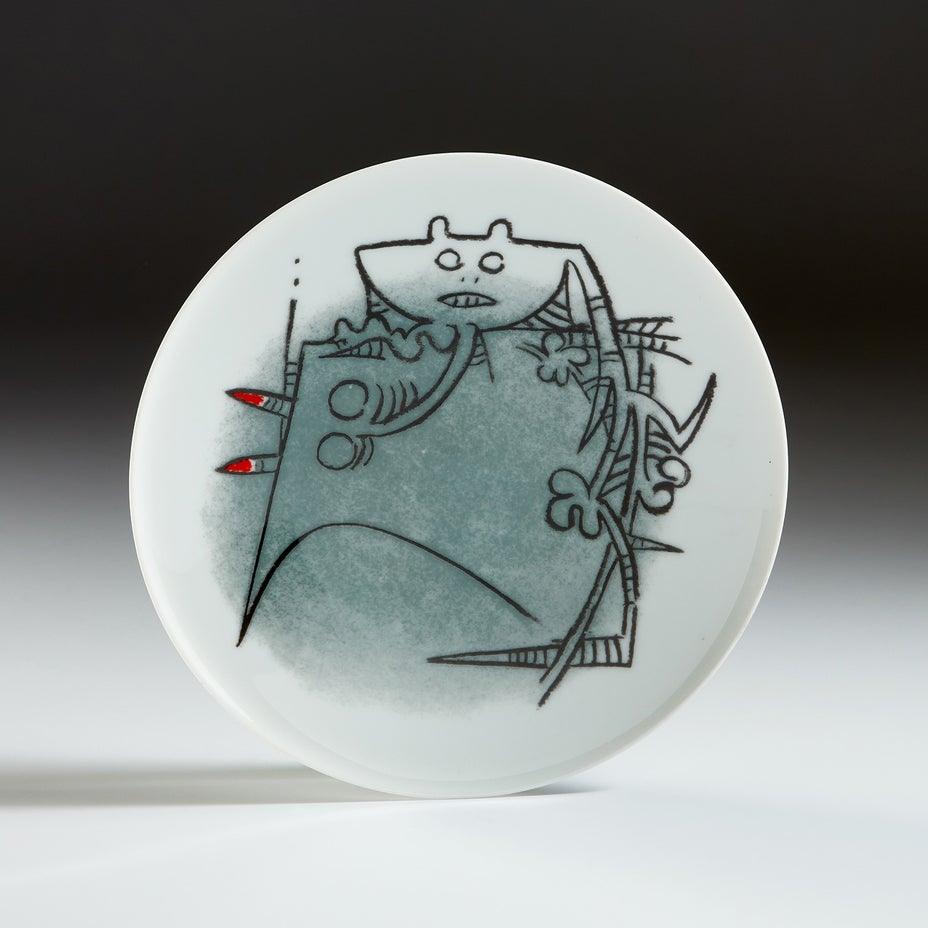
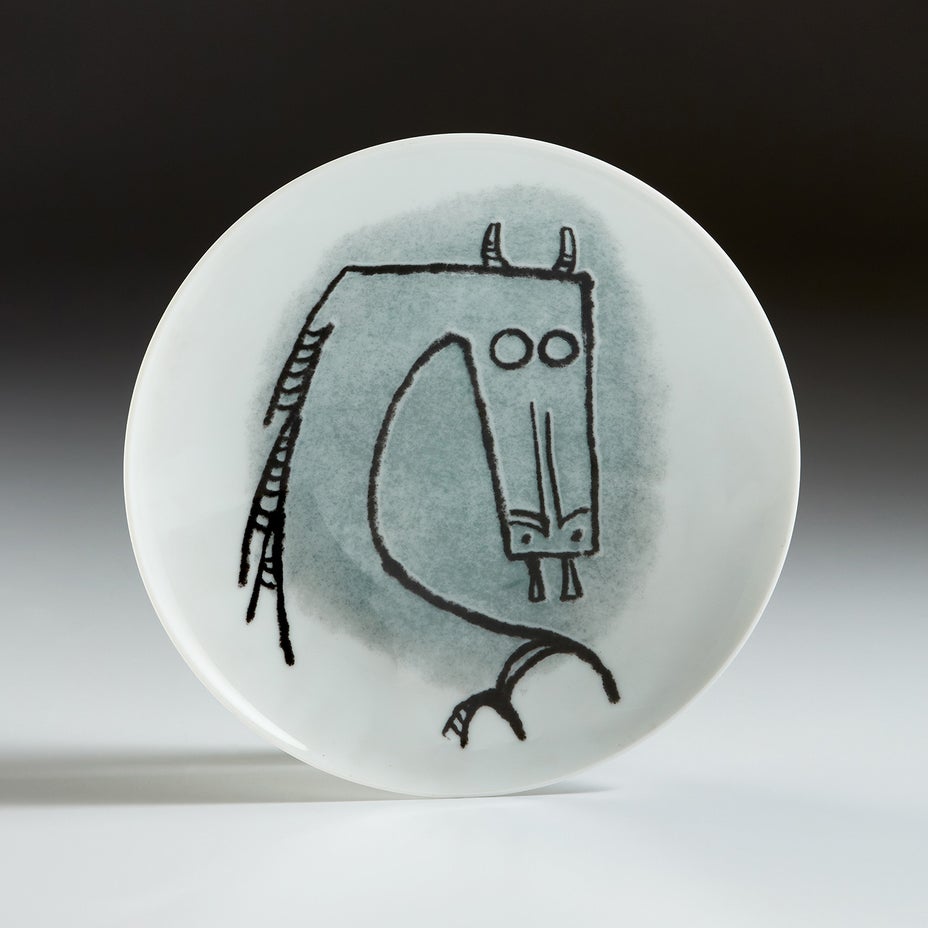
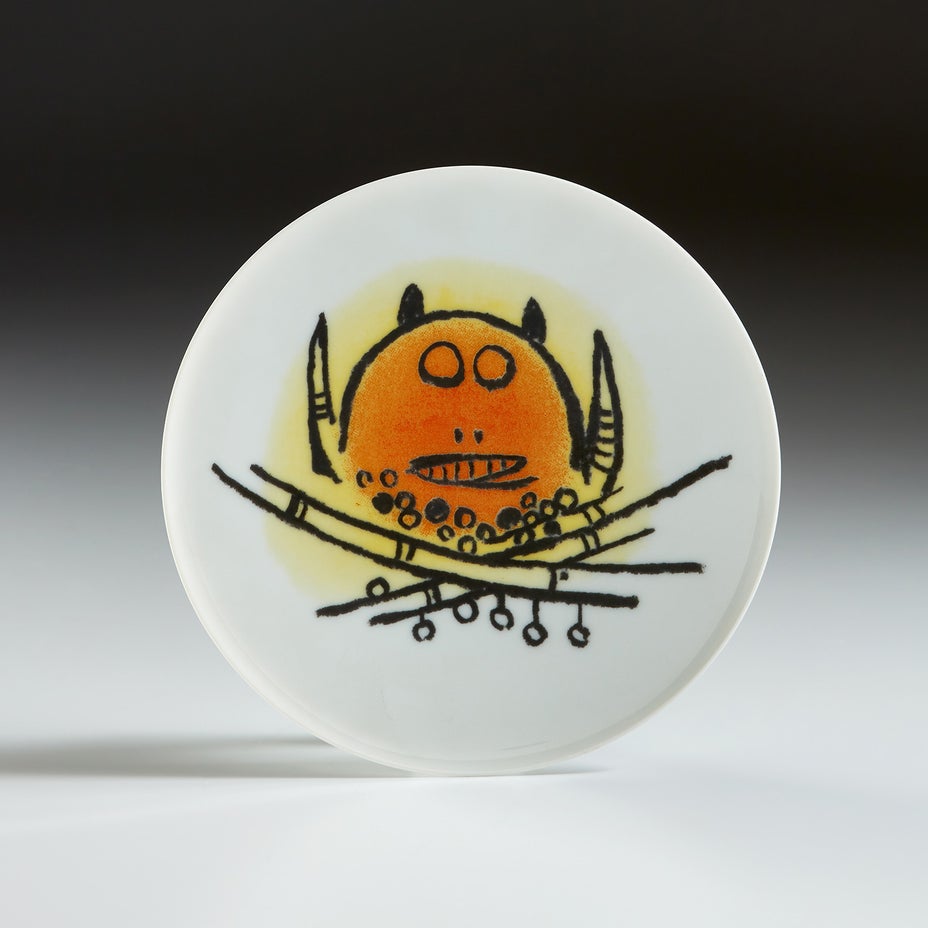
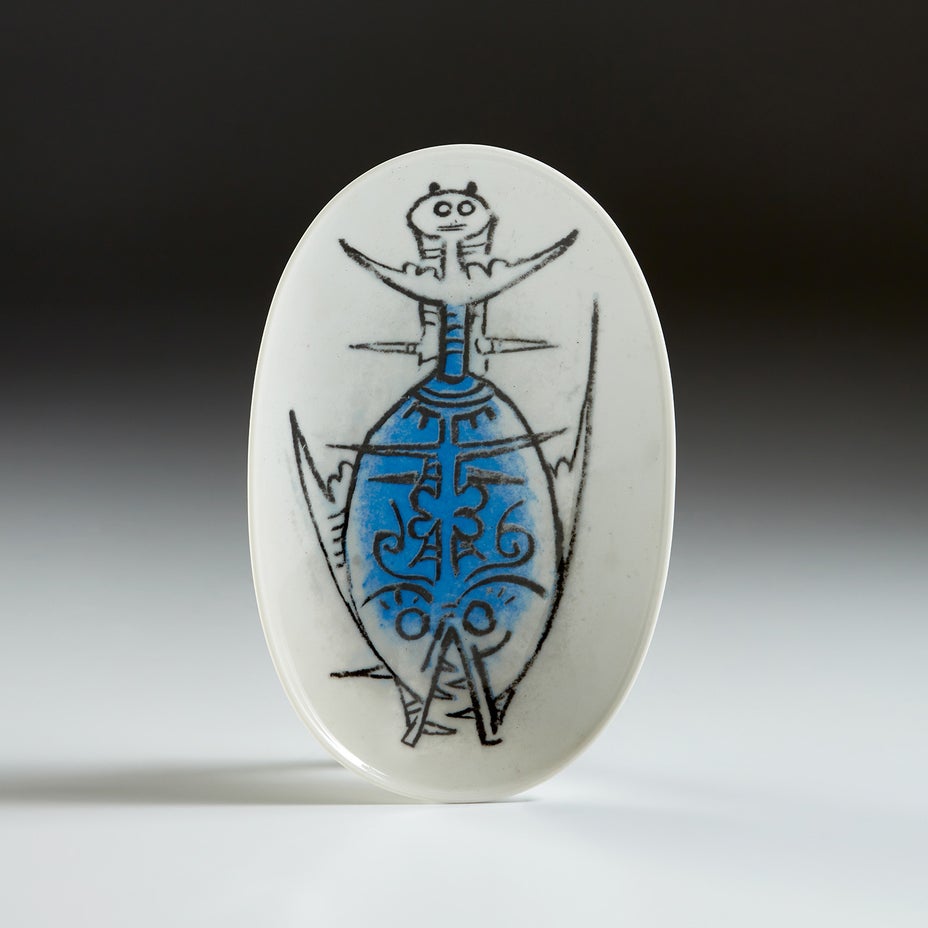
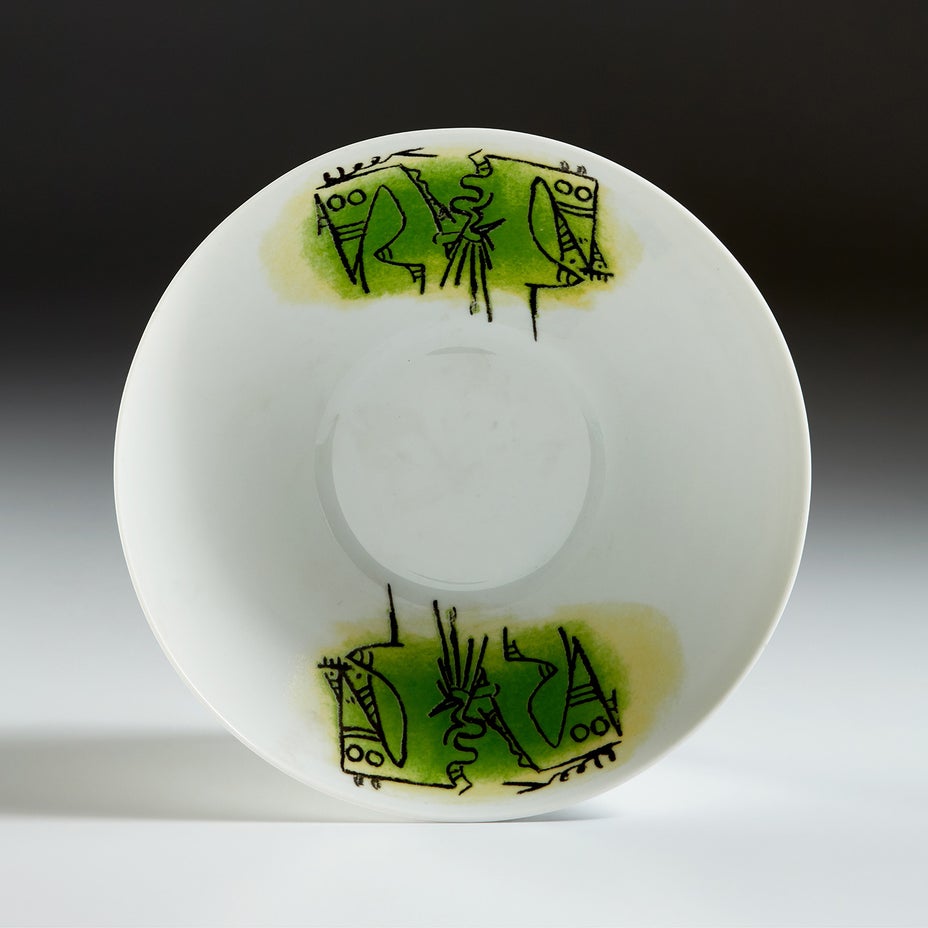
Porcelain Dinner Service Set
- Estimate
- $30,000 - 50,000
$27,720
Lot Details
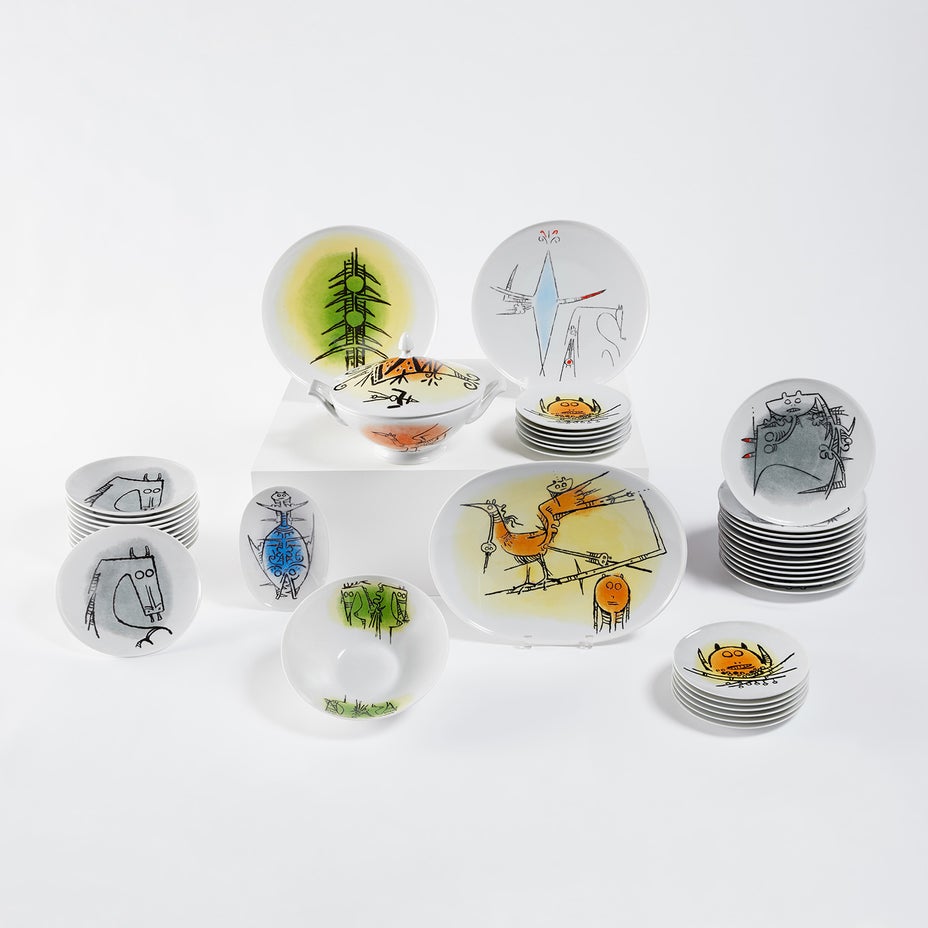
Set of forty-one porcelain dishes for dinner service.
circa 1970
various dimensions
All signed and numbered 72/100 on the underside, porcelain dishes produced by H Royal Selb, Germany, designs by Wifredo Lam produced by FAC/ACF, Fabbrica Albissola Ceramiche, this work has been confirmed by Eskil Lam, with an accompanying photo certificate signed by the artist and numbered 72/100.
Specialist
Full-Cataloguing
Catalogue Essay
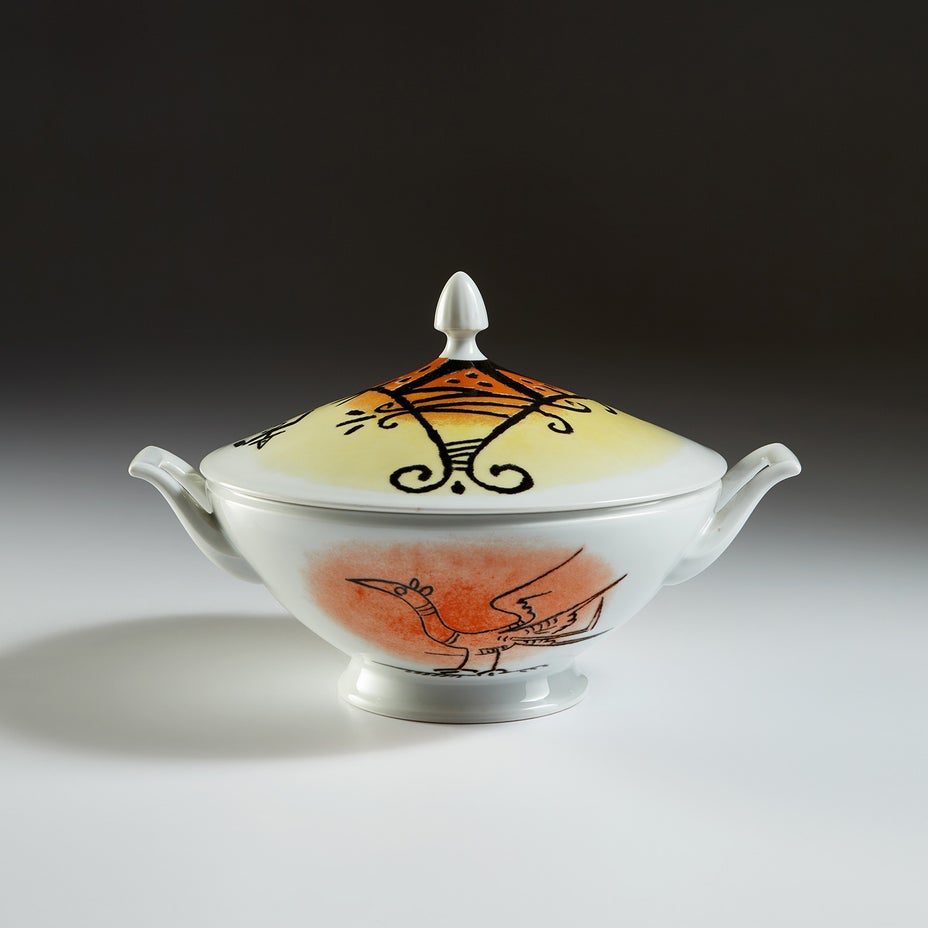
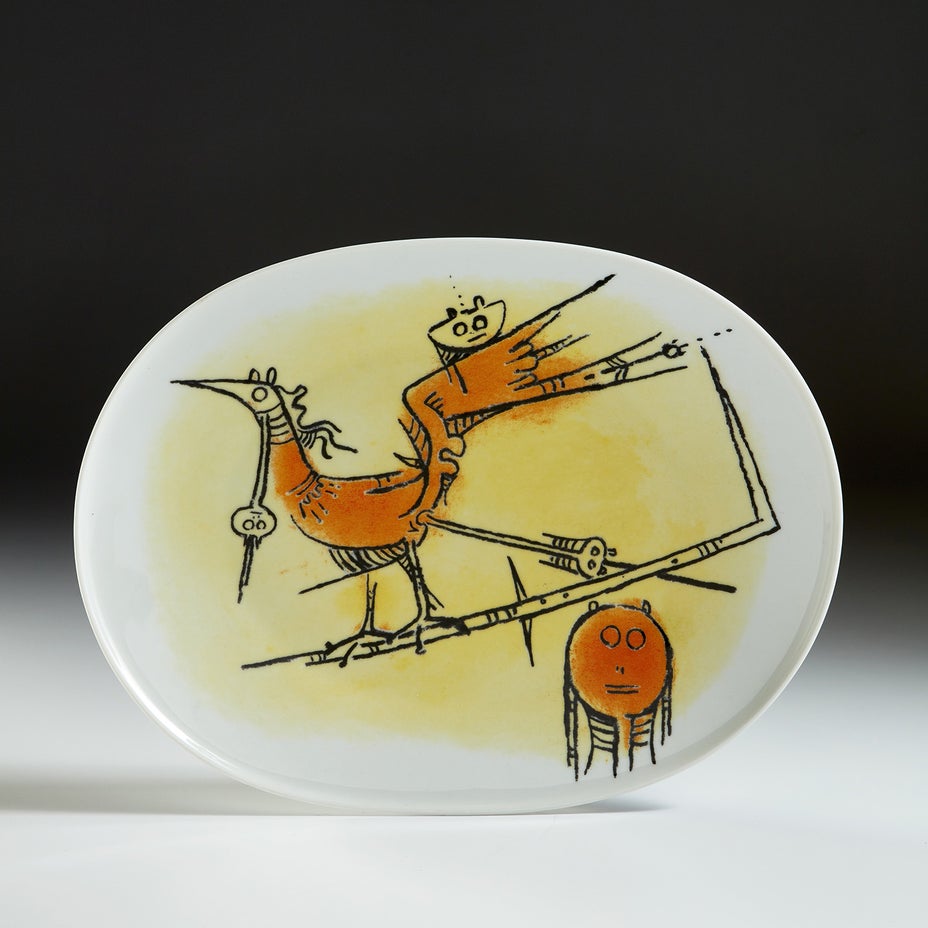
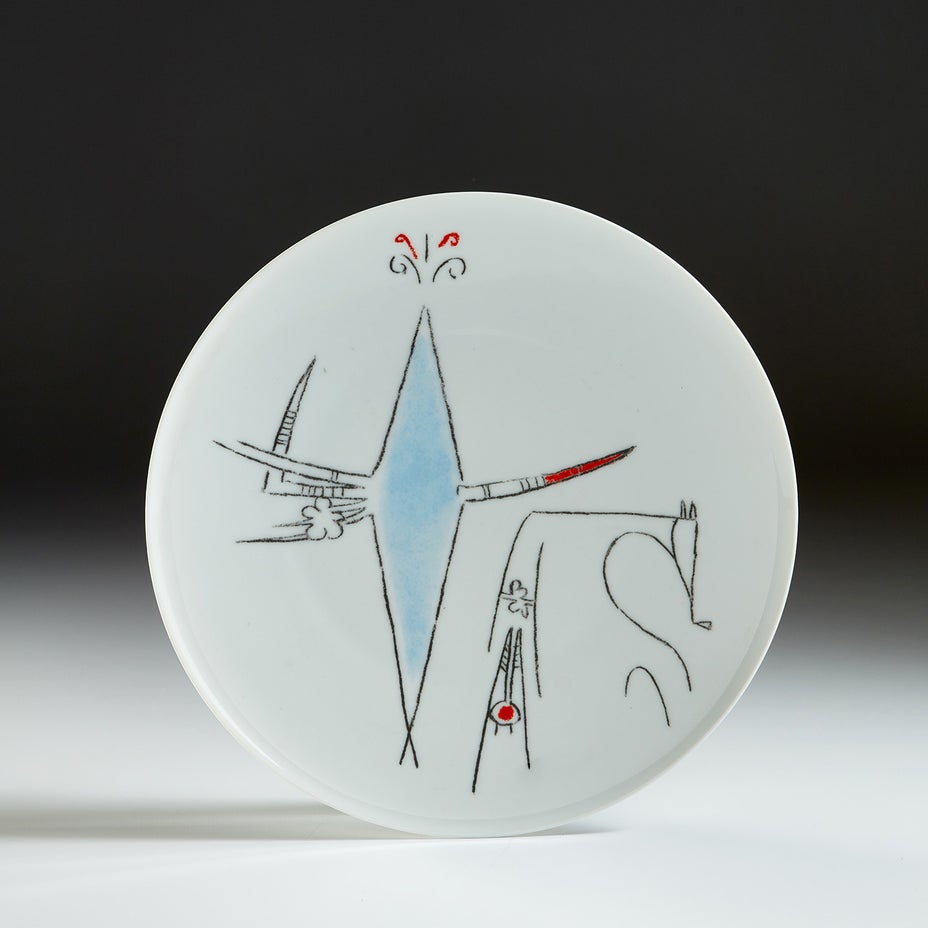
Including: dinner plates, soup plates, dessert plates, serving plates, serving bowl, covered soup tureen, oval serving platter, butter dish
Literature
Wifredo Lam
Cuban | B. 1902 D. 1982Wifredo Lam was born in Sagua la Grande, Cuba and was of mixed Chinese, European, Indian and African descent. He studied under Fernando Álvarez de Sotomayor, curator for the Museo del Prado and teacher of Salvador Dalí.
While studying in Spain, he met Pablo Picasso, who would become his mentor and friend as well as one of his great supporters, introducing him to the intelligentsia of the time. Lam significantly contributed to modernism during his prolific career as painter, printmaker, sculptor and ceramist. His works explored Cubism and expanded the inventive parameters of Surrealism while negotiating figuration and abstraction with a unique blend of Afro-Cuban and Surrealist iconography. His iconic visual language incorporated syncretic and fantastical objects and combined human-animal figures fused with lush vegetation.
Browse ArtistWhile studying in Spain, he met Pablo Picasso, who would become his mentor and friend as well as one of his great supporters, introducing him to the intelligentsia of the time. Lam significantly contributed to modernism during his prolific career as painter, printmaker, sculptor and ceramist. His works explored Cubism and expanded the inventive parameters of Surrealism while negotiating figuration and abstraction with a unique blend of Afro-Cuban and Surrealist iconography. His iconic visual language incorporated syncretic and fantastical objects and combined human-animal figures fused with lush vegetation.