14Ο︎◆︎
Clyfford Still
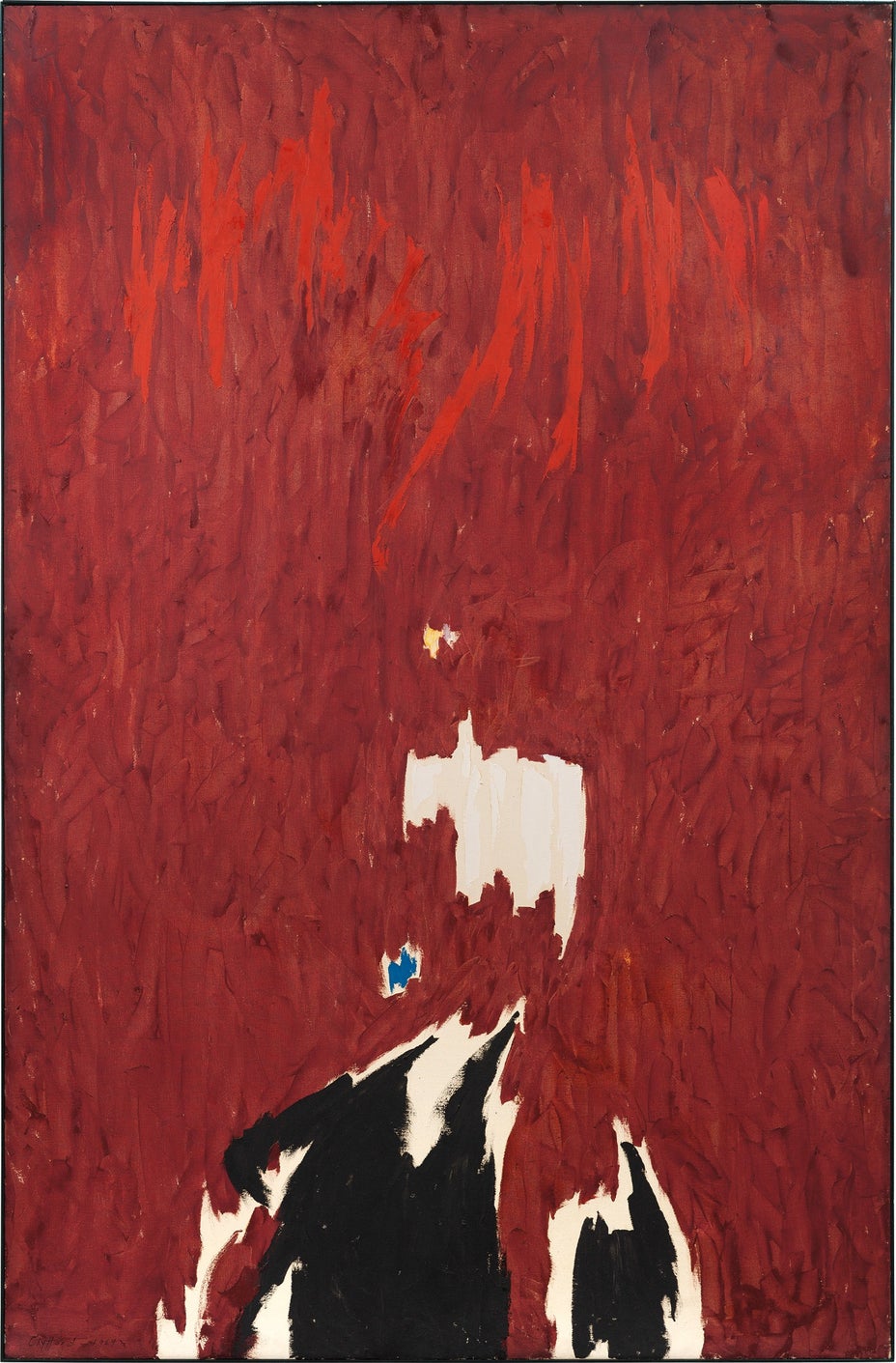
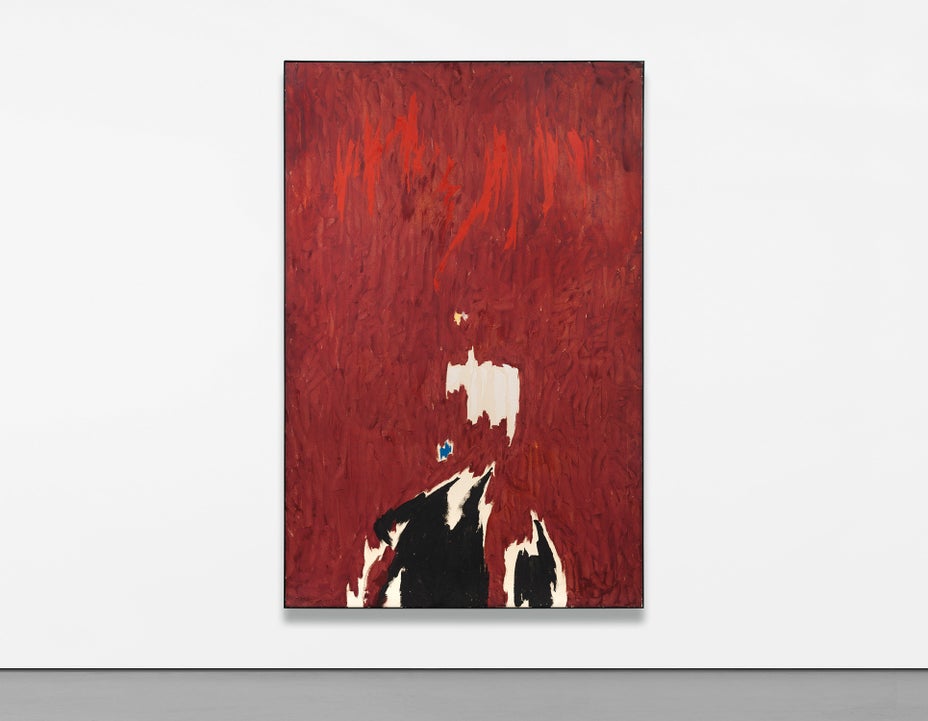
PH-407
更多資訊
完整圖錄內容
Clyfford Still
Much mythologized for his saturnine demeanor as much as for his searing artworks, Clyfford Still pioneered a unique form of abstraction influenced by the windswept plains of the barren Canadian prairie where he spent much of his childhood. Contrary to other leading Abstract Expressionists, Still applied paint to the canvas in thick, violent sheets using a palette knife, creating austere artworks marked by vulcanian veins of bright tones that rise turbulently out of fractured darkness. Still’s works emanate both a transcendent radiance and a studied fury, betraying the roaring sublimity and irascible intellectualism of the artist’s practice. He forged a singularly evocative visual language and quickly rose to great prominence in the art world; at the height of his success, however, he retreated into the Maryland countryside in monastic solitude and cut off all ties with his gallerists, as he was unwilling to compromise his artistic vision for monetary gain and skeptical of those who he thought might exploit it.
While Still’s self-imposed exile greatly limited outside access to his art, he did forge valuable relationships with leading institutions that he thought might appropriately and respectfully honor his legacy: he gave a multitude of works to such institutions as the San Francisco Museum of Modern Art and the Albright-Knox Art Gallery, Buffalo. A majority of his works, however, remained in Still’s possession until his death in 1980 and were earmarked for inclusion in a museum for the artist, which holds over 95% of the artist’s production and opened in Denver in 2011.