141
Damien Hirst
Septicaemia
完整圖錄內容
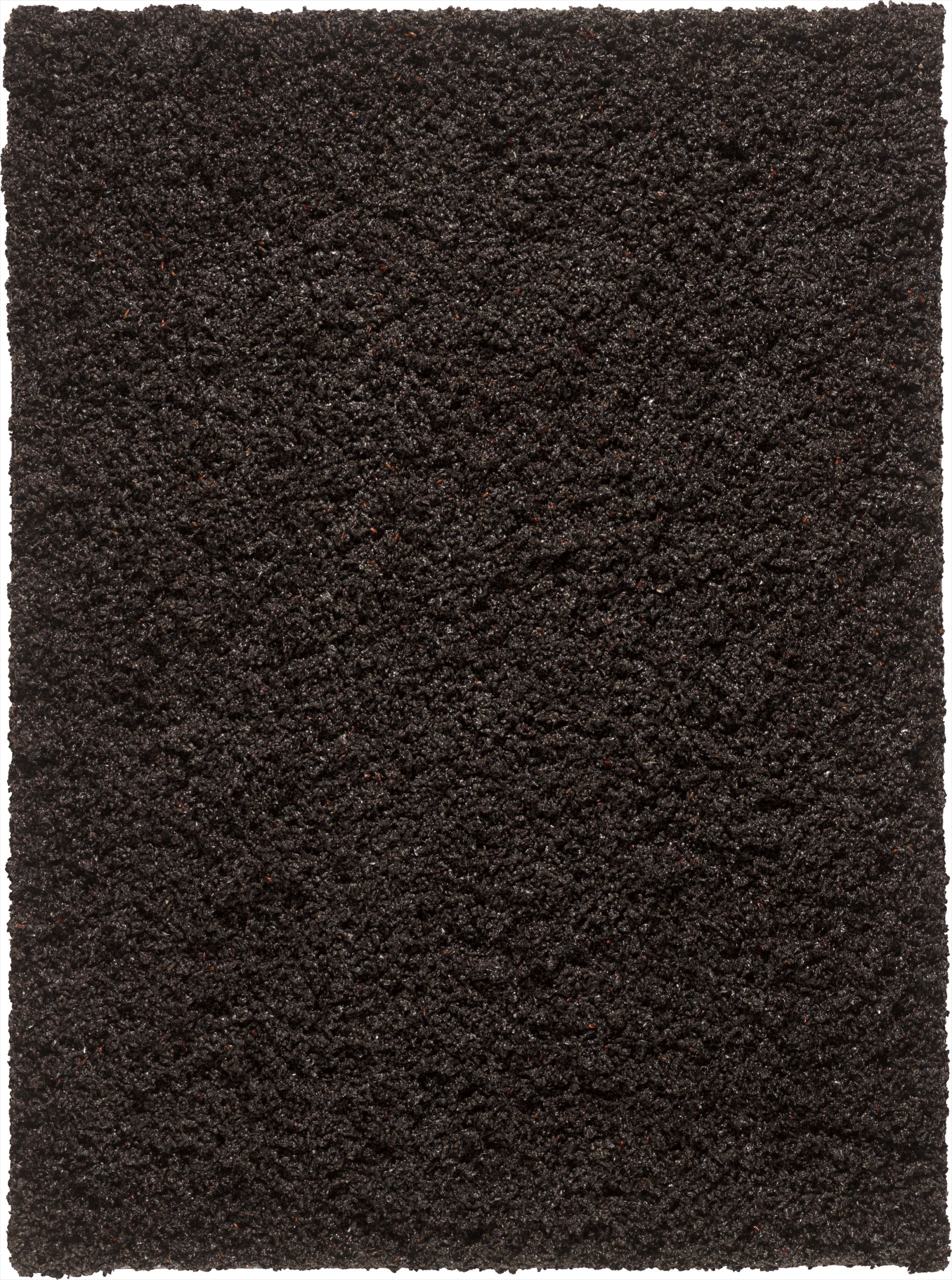
The present lot is part of the celebrated series ‘The Cancer Chronicles’, first exhibited at the ‘Romance in the Age of Uncertainty’ show at White Cube, London, in 2003. Each piece was titled using the name of a modern disease; such as Tuberculosis, Syphillis, Aids and Malaria. Derived from the Greek term Sepsis, meaning ‘decay’ or ‘to putrefy’, Septicaemia is imbued by an apocalyptic vision of modern-day plagues. This vision was earlier explored by the artist in 1990 in his ground-breaking fly vitrine pieces: ‘A Thousand Years’ and ‘A Hundred Years’. Commenting on this pieces and emphasizing his particular interest in the mechanics of death then said: ‘Oh my God! What have I done? I think it was Thomas Hobbes who said people are like flies brushed off a wall. I like that metaphorically. Your whole life could be like points in space, like nearly nothing. If you make that connection with the paintings… it is like all the people in the world who die in a hundred years. That amount of death is pretty dark’.
Damien Hirst
British | 1965There is no other contemporary artist as maverick to the art market as Damien Hirst. Foremost among the Young British Artists (YBAs), a group of provocative artists who graduated from Goldsmiths, University of London in the late 1980s, Hirst ascended to stardom by making objects that shocked and appalled, and that possessed conceptual depth in both profound and prankish ways.
Regarded as Britain's most notorious living artist, Hirst has studded human skulls in diamonds and submerged sharks, sheep and other dead animals in custom vitrines of formaldehyde. In tandem with Cheyenne Westphal, former Chairman of Phillips, Hirst controversially staged an entire exhibition directly for auction with 2008's "Beautiful Inside My Head Forever," which collectively totalled £111 million ($198 million).
Hirst remains genre-defying and creates everything from sculpture, prints, works on paper and paintings to installation and objects. Another of his most celebrated series, the 'Pill Cabinets' present rows of intricate pills, cast individually in metal, plaster and resin, in sterilized glass and steel containers; Phillips New York showed the largest of these pieces ever exhibited in the United States, The Void, 2000, in May 2017.