
182
Dino & Roberto Falcone
Dino & Roberto Falcone,精美、可能獨一無二,白金跳時腕錶,備琺瑯錶盤、星期、月相顯示。
估價
CHF60,000–120,000
€65,500–131,000
$77,100–154,000
成交價
CHF889,000
製造商
Dino & Roberto Falcone
年份
Circa 1985
錶殼號碼
2C
材料
18k white gold
機芯
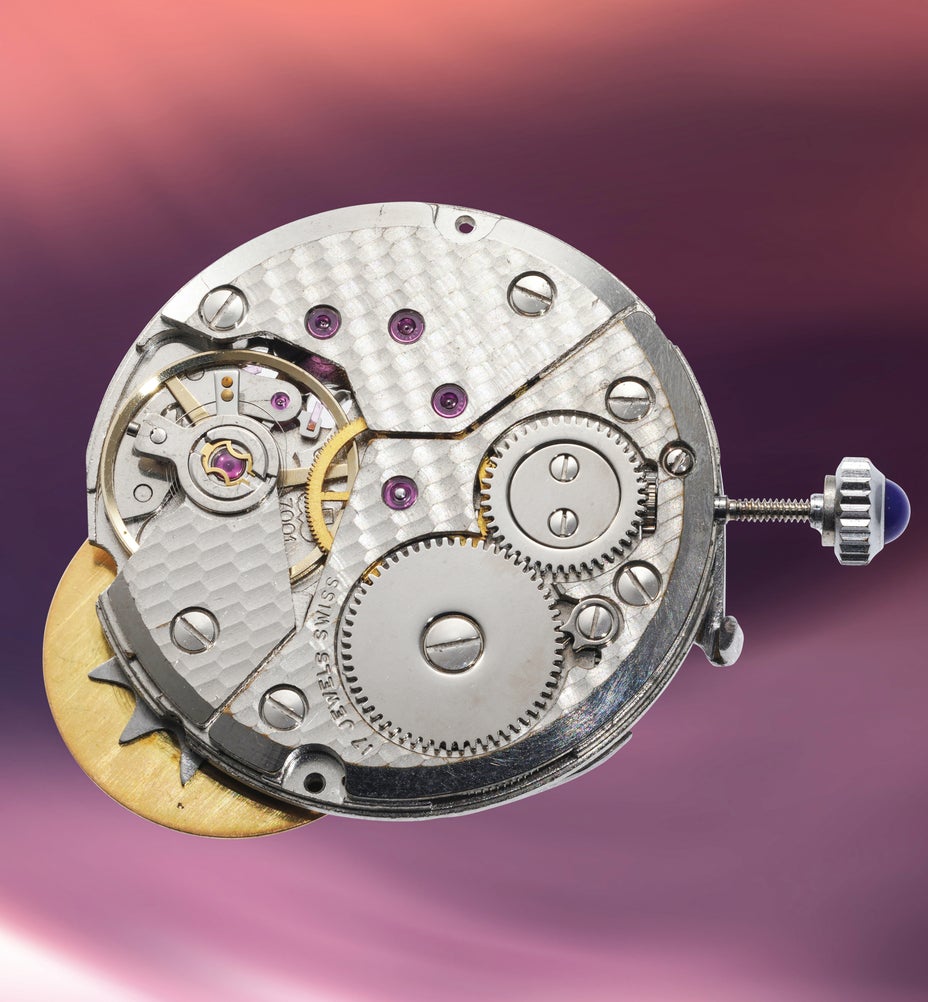
Manual, cal 7001, 19 jewels
錶帶/ 錶鏈
Leather
錶扣
18k white gold Falcone pin buckle
尺寸
34mm diameter
簽名
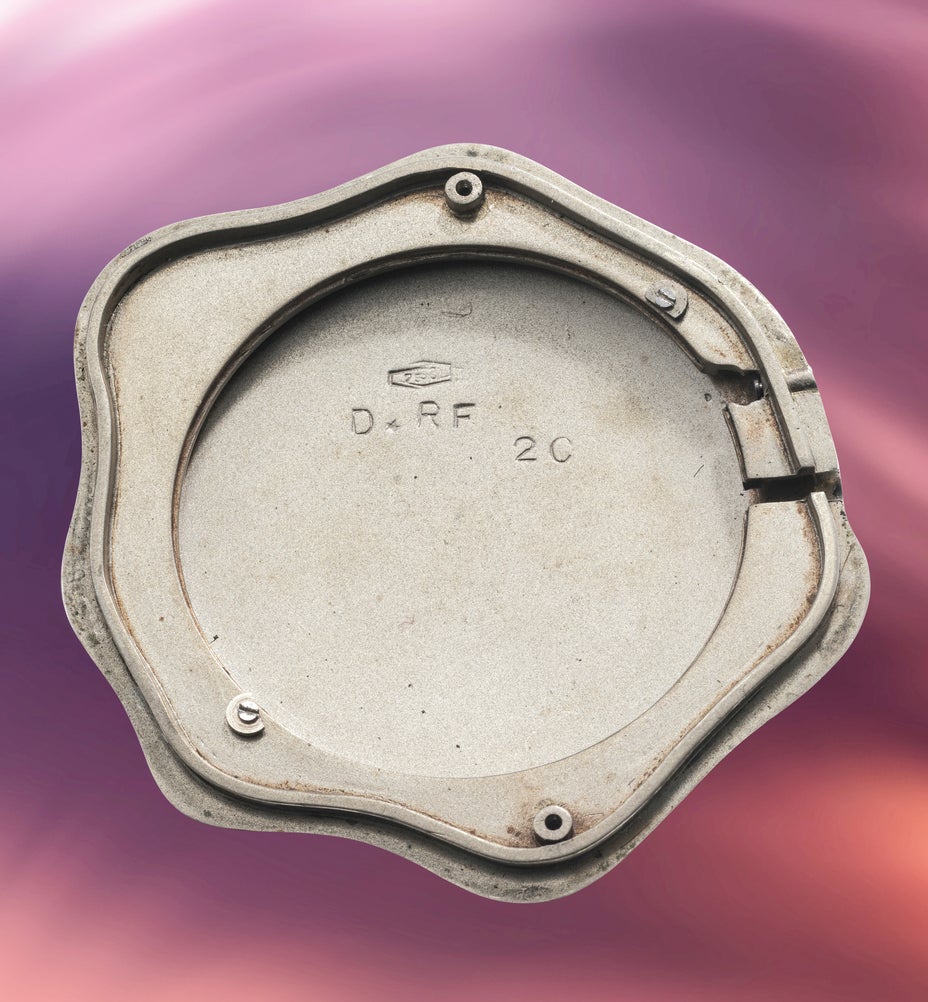
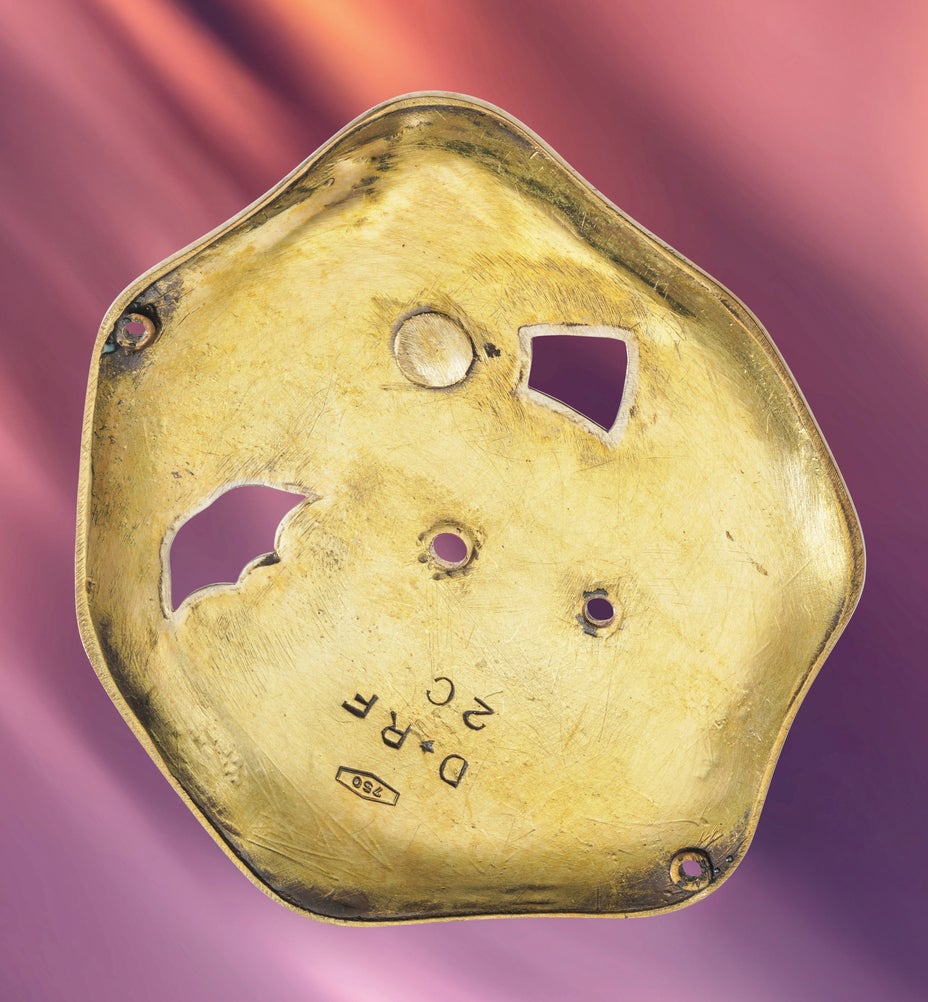
Case, dial, movement and buckle signed
完整圖錄內容
Good To Know:
- Jump hour with day and moonphase indication
- Enamel dial
- Most probably unique
In today’s market, collectors have developed a healthy appetite for form watches — pieces that put shape and line ahead of convention. But in the early 1980s, straight out of the quartz crisis, such thinking required a particular kind of conviction. Mechanical watchmaking was fighting for relevance; experimentation was hardly the safe route.
It was precisely then that Dino and Roberto Falcone, a Milanese father-and-son duo of watch- and casemakers, chose to do something altogether different. Working on what appear to have been unique pieces, they produced a small number of highly idiosyncratic, asymmetrical watches. Drawing clear inspiration from Salvador Dalí’s The Persistence of Memory, their creations seemed to defy structure: cases and lugs that appeared to soften and sag, as if caught mid-melt, and dials where no indication conformed to expectation.
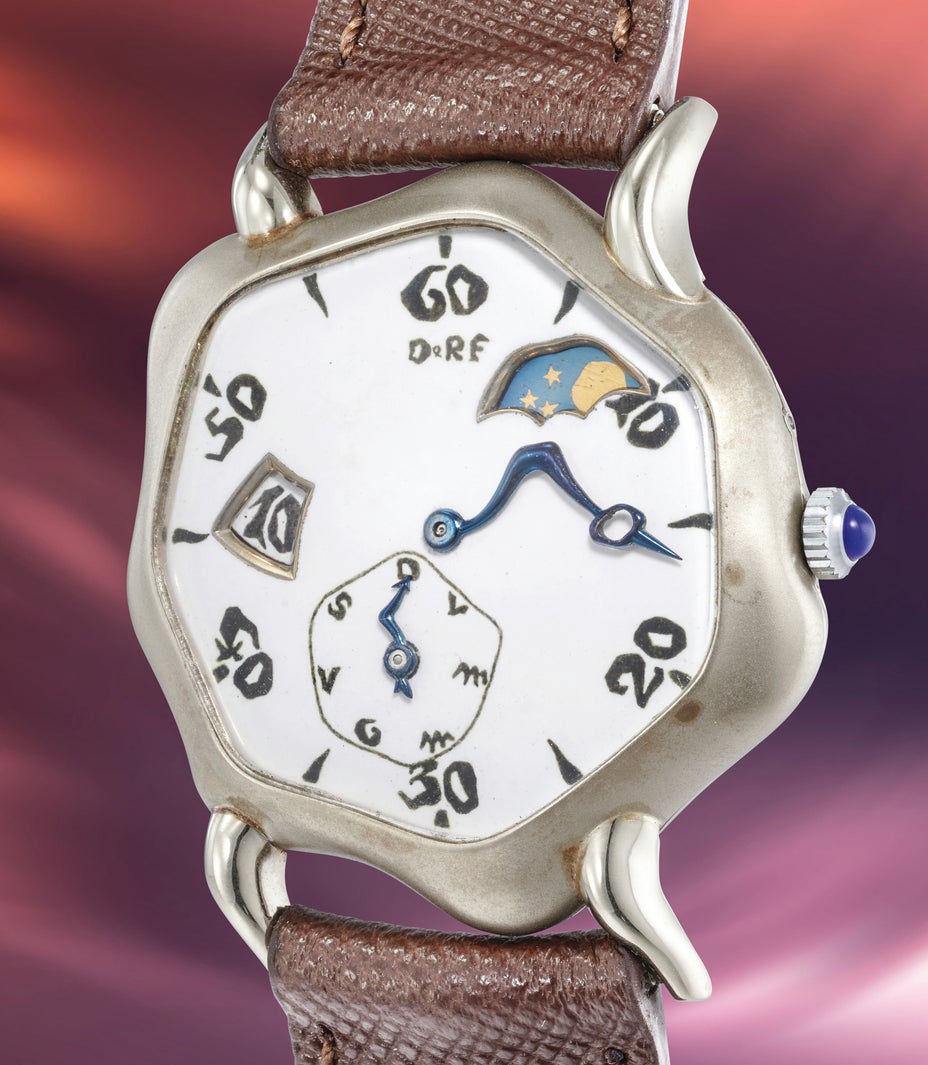
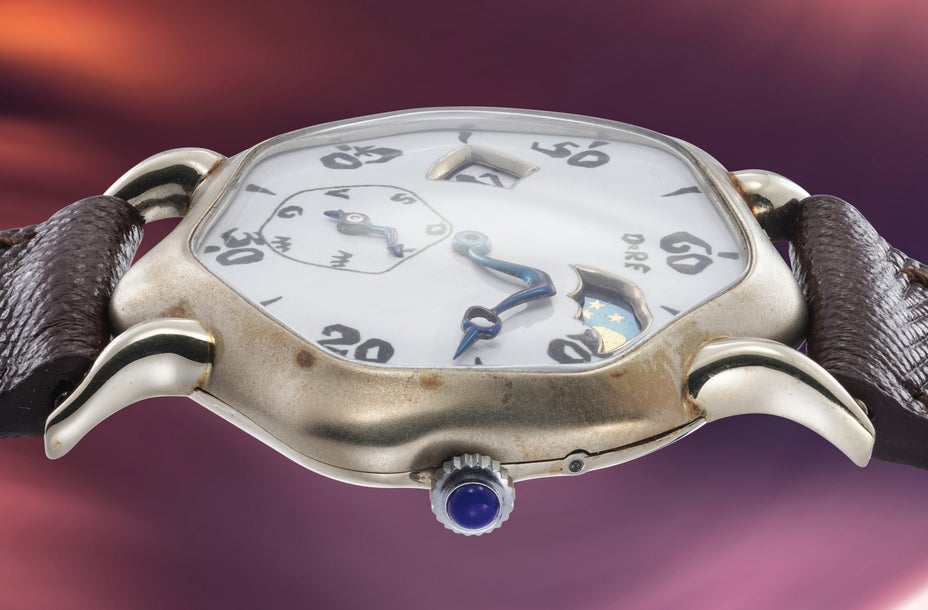
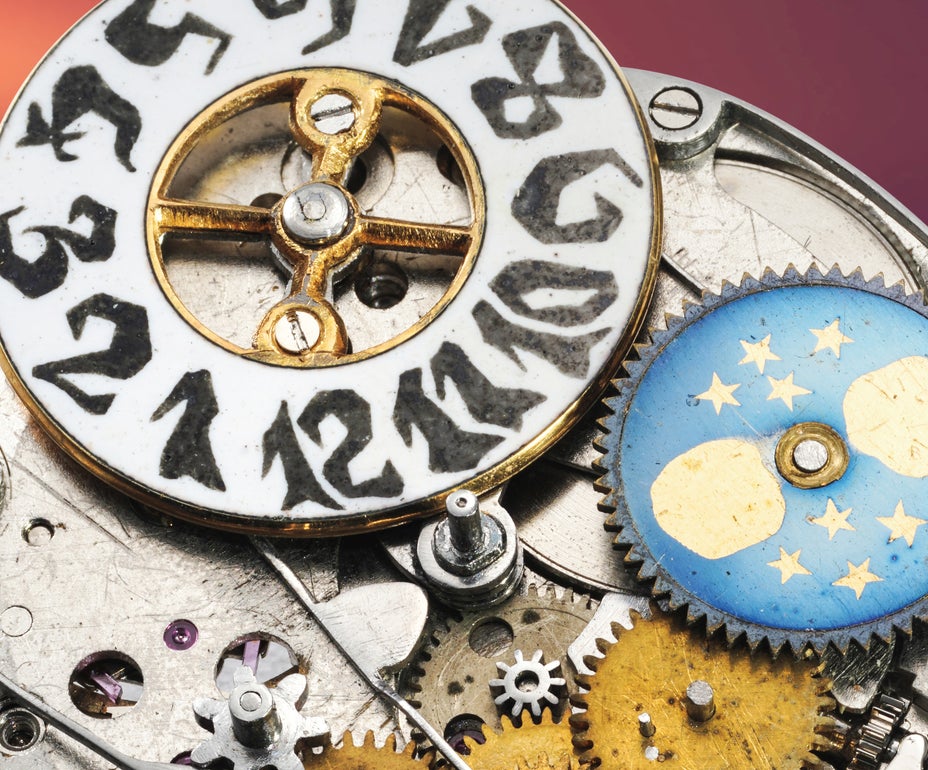
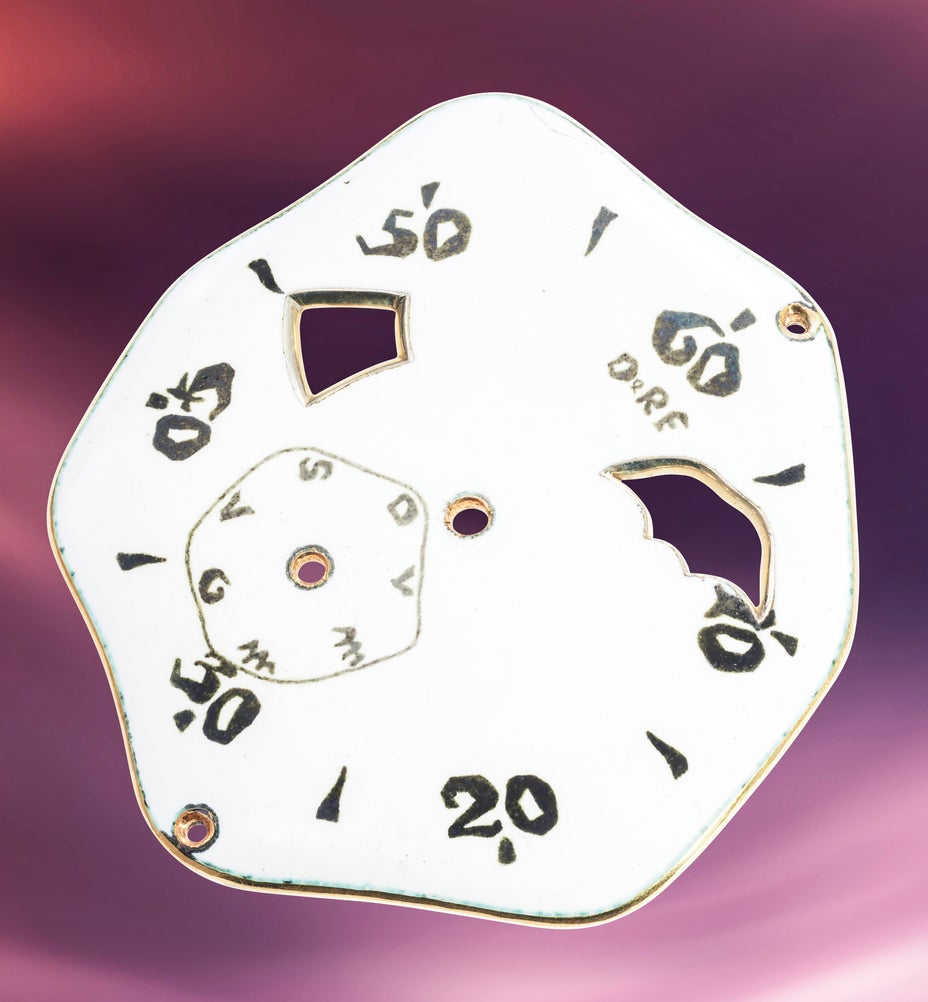
The present white gold jump hour is a compelling example of their approach. Nothing is standard. The moonphase aperture is cut in a gentle wave rather than a clean arc; even the moon itself refuses a perfect circle. The jump hour window is irregular, the day subdial set within an unconventional outline, and the hands follow their own logic of form. The result is a watch with a distinctly cinematic presence - less an object to be read at a glance than one to be discovered gradually.
Crafted in white gold and paired with a white enamel dial, the watch balances its theatricality with material refinement. Given the Falcone's practice and the absence of known comparables, it is most probably a unique piece, a quietly radical survivor from a moment when daring design was anything but assured.
- Jump hour with day and moonphase indication
- Enamel dial
- Most probably unique
In today’s market, collectors have developed a healthy appetite for form watches — pieces that put shape and line ahead of convention. But in the early 1980s, straight out of the quartz crisis, such thinking required a particular kind of conviction. Mechanical watchmaking was fighting for relevance; experimentation was hardly the safe route.
It was precisely then that Dino and Roberto Falcone, a Milanese father-and-son duo of watch- and casemakers, chose to do something altogether different. Working on what appear to have been unique pieces, they produced a small number of highly idiosyncratic, asymmetrical watches. Drawing clear inspiration from Salvador Dalí’s The Persistence of Memory, their creations seemed to defy structure: cases and lugs that appeared to soften and sag, as if caught mid-melt, and dials where no indication conformed to expectation.
The present white gold jump hour is a compelling example of their approach. Nothing is standard. The moonphase aperture is cut in a gentle wave rather than a clean arc; even the moon itself refuses a perfect circle. The jump hour window is irregular, the day subdial set within an unconventional outline, and the hands follow their own logic of form. The result is a watch with a distinctly cinematic presence - less an object to be read at a glance than one to be discovered gradually.
Crafted in white gold and paired with a white enamel dial, the watch balances its theatricality with material refinement. Given the Falcone's practice and the absence of known comparables, it is most probably a unique piece, a quietly radical survivor from a moment when daring design was anything but assured.