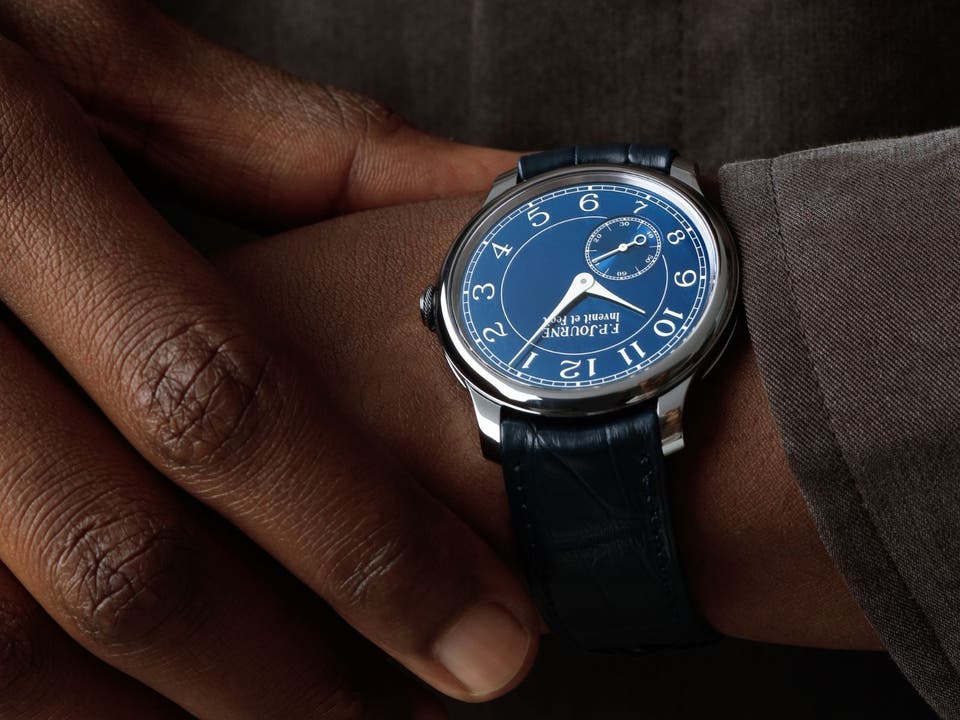
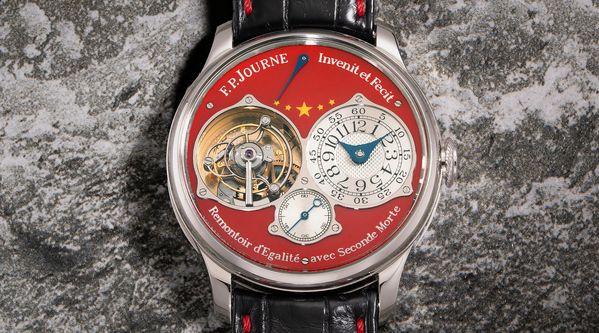
Article | How F P Journe Rethought The Tourbillon Souverain Phillips Geneva Fall 2026 Online Auction
How F.P. Journe Rethought the Tourbillon Souverain
Why François-Paul Journe stopped making his original Tourbillon Souverain after just four years, reworked its movement, and introduced natural deadbeat seconds.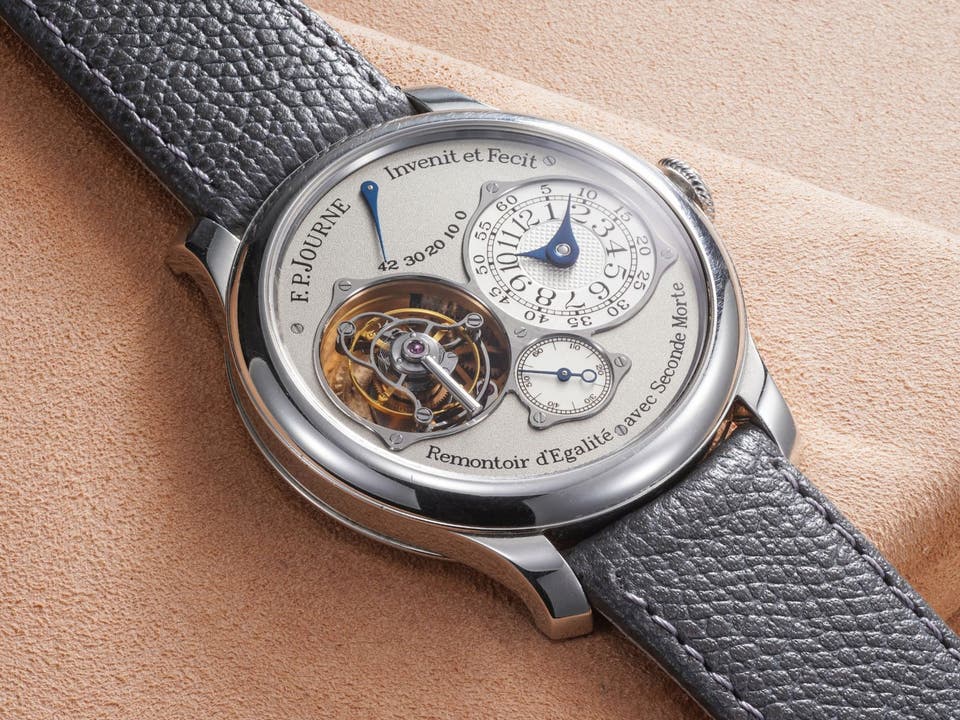
Phillips in Association with Bacs & Russo is pleased to present The Geneva Sessions, Fall 2026, an online auction running from 4–11 September. Featuring more than 90 exceptional luxury timepieces from leading makers including A. Lange & Söhne, Audemars Piguet, Patek Philippe, the sale includes the F.P. Journe Tourbillon Souverain featured in this story.
For the launch of his eponymous brand in 1999, François-Paul Journe chose the Tourbillon Souverain à Remontoir d’Égalité as the first watch in his Collection Souveraine. Four years later, despite the Ref. T’s success, he stopped making it.
In 2004, the French watchmaker presented its successor. He substantially reworked the movement, retaining the tourbillon and remontoir d’égalité of the original while introducing one particularly intriguing addition: seconde morte, or deadbeat seconds.
A 2007 platinum example of this second-generation Tourbillon Souverain, Ref. TN, is offered in The Geneva Sessions, Fall 2026, Online Auction.
Finding His Solution
A remontoir is a constant-force mechanism designed to provide the escapement with a more consistent supply of energy as the mainspring unwinds, helping to improve the watch’s rate stability. Journe’s interest in combining a tourbillon with a remontoir stretches back long before the creation of F.P. Journe.
In the early 1980s, while still working in Paris, he began experimenting with the two mechanisms in pocket watches. Interviews with Journe also reveal a colorful story behind the particular remontoir system he eventually developed.
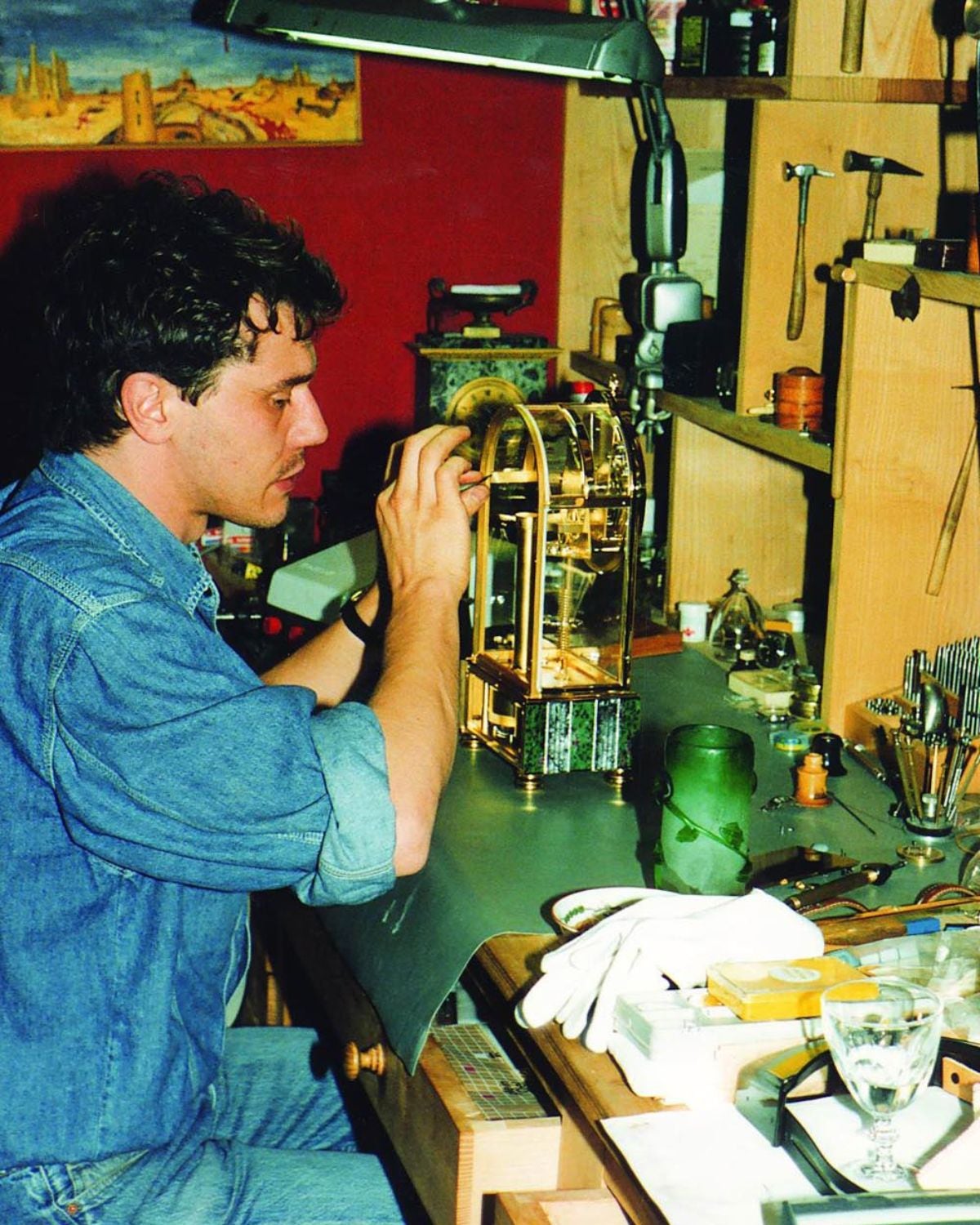
A young François-Paul Journe working on a remontoir-equipped Sympathique clock in his Paris workshop. F.P. Journe
Journe recalled studying a tourbillon with remontoir made by George Daniels after Dr. Eugen Gschwind, an avid collector from Basel, challenged him to create something similar. Journe found Daniels’ solution overly complicated but initially struggled to find an alternative.
Inspiration came during one of his regular Tuesday visits to the Musée des Arts et Métiers in Paris, where he went to wind the museum’s clocks. Seeing a regulator equipped with a weight-driven remontoir gave him the answer.
“I immediately had a flash of inspiration and found the solution for creating my own,” he recalled.
Journe returned to his workshop and drew it in five minutes. His solution used a rocking lever and spring that reset automatically. “I liked it because it was simplicity itself,” he said.
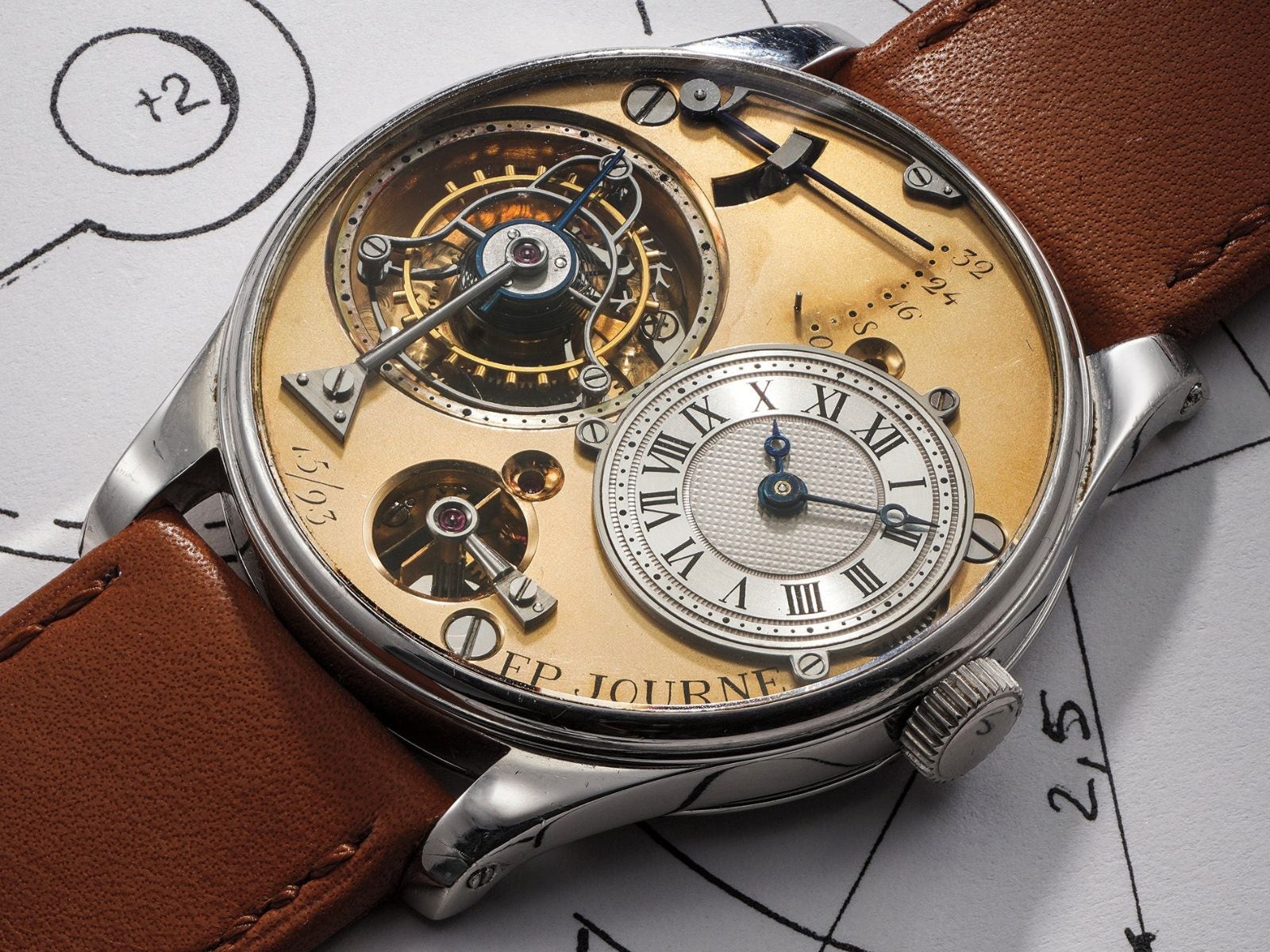
F.P. Journe Tourbillon à Remontoire d’Égalité 15/93, made in 1993 – Journe’s second wristwatch and the first he ever sold, following his original 11/91 tourbillon wristwatch.
By 1991, Journe had incorporated a remontoir into his first tourbillon wristwatch, known as 11/91. Two closely related examples followed in 1993, including 15/93 – Journe’s second wristwatch and the first he ever sold.
The First Souverain
That work eventually led to the watch with which Journe launched his brand in 1999. The Tourbillon Souverain began with a series of 20 Souscription watches, purchased by collectors who paid half the price up front to help finance production. These were followed by the regular-production Ref. T, which evolved through a number of small changes before production ceased after four years.
The idea behind the original Tourbillon Souverain was fundamentally chronometric: a mainspring does not deliver the same torque throughout its discharge, potentially affecting the watch’s timekeeping precision.
Journe’s remontoir acts as an intermediary between the going train and escapement, with a small blade spring periodically recharged by the mainspring and supplying energy to the escapement between those impulses.
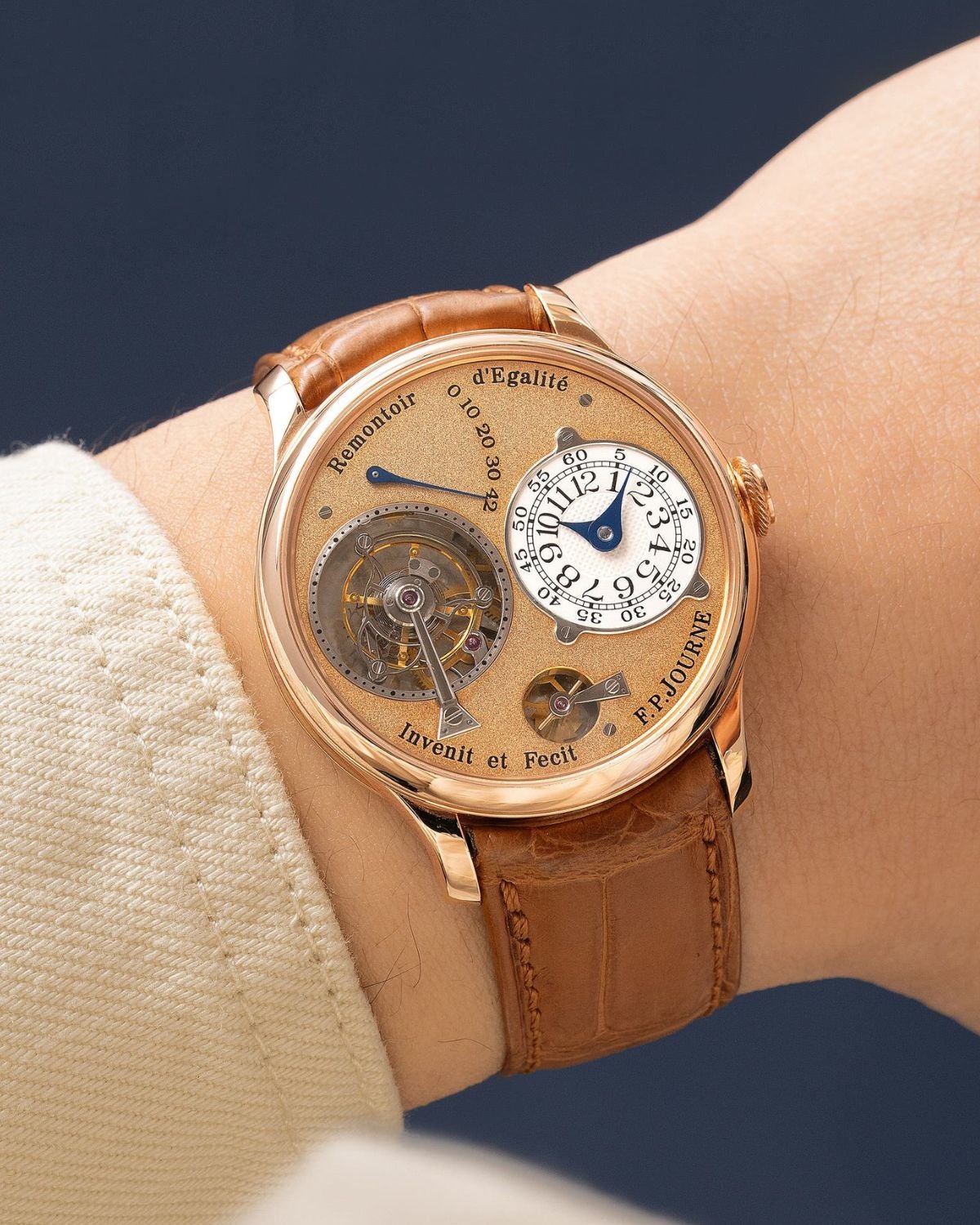
A circa 2003 example of F.P. Journe’s original Tourbillon Souverain Ref. T, from the final iteration of the model, in 18k pink gold with a pink-gold dial.
In the Tourbillon Souverain, that cycle takes place once every second, helping to maintain a more stable rate as the mainspring unwinds.
Journe also saw a practical advantage in his construction. “Many remontoirs d’égalité become disarmed when the available force becomes too weak, and the watch will no longer restart,” he explained. “My system, which resets itself, was ideal.”
The tourbillon, meanwhile, was intended to compensate for the effects of gravity when a watch remained in vertical positions. F.P. Journe presented the combination as the first tourbillon wristwatch equipped with a remontoir d’égalité.
Even the name came with a typically Journe twist: he remembers leafing through a magazine filled with names such as “Tourbillon Impérial” and “Tourbillon Royal.” Journe decided his own would be “Souverain” because, as he put it, “a sovereign ranks above everything else!”
Starting Again
The original Tourbillon Souverain, now commonly known among collectors as Ref. T, remained in production until 2003.
Journe later wrote that he stopped making it despite its having become a bestseller, partly to offer collectors the “luxury of rarity.” F.P. Journe literature from the period also pointed to his continuing chronometric research and desire to keep creating.
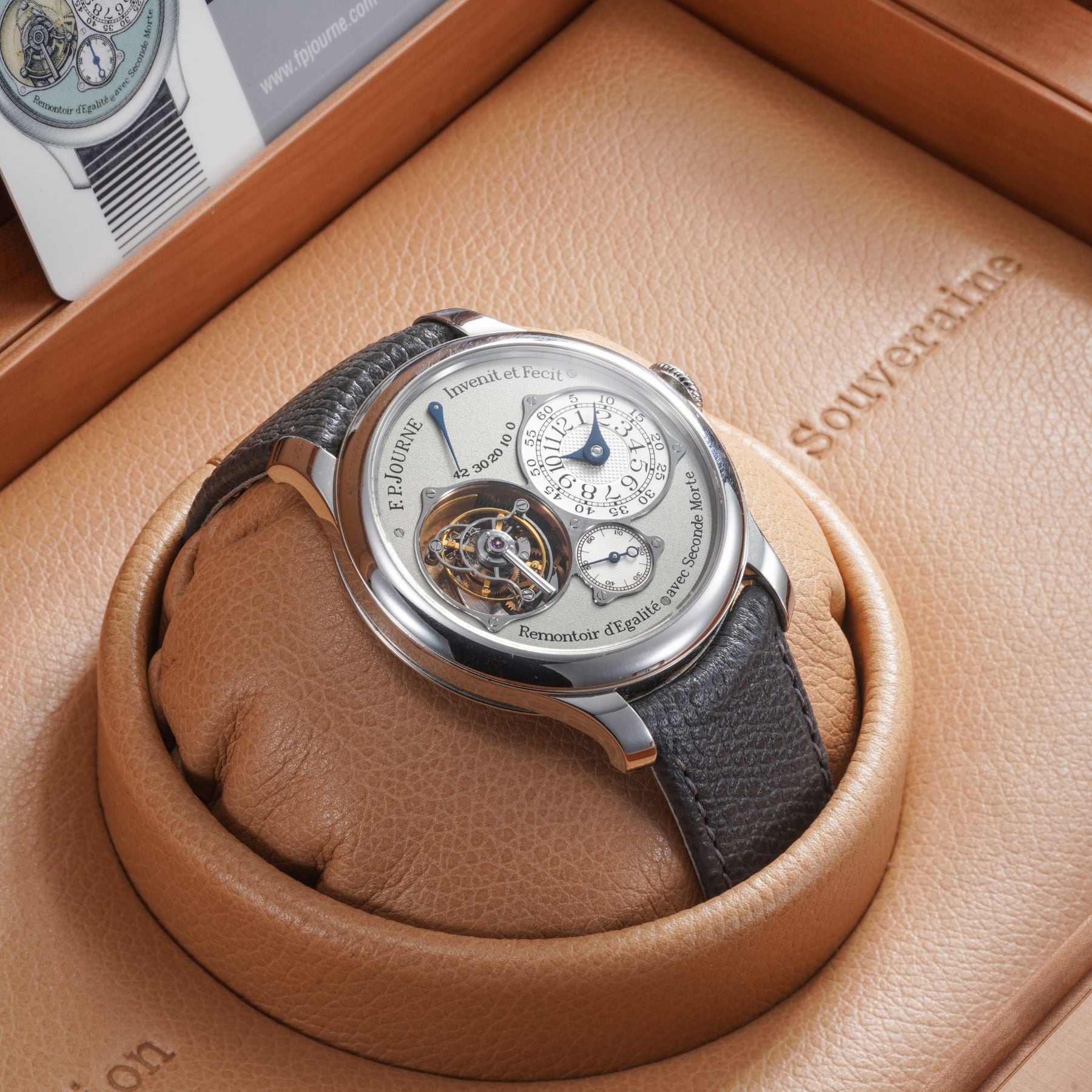
Lot 82: A 2007 F.P. Journe Tourbillon Souverain Remontoir d’Égalité avec Seconde Morte in platinum, included in the Phillips Geneva Sessions, Fall 2026, Online Auction. Estimate: CHF 200,000–400,000
The watch’s successor was presented in 2004 as Tourbillon Souverain à Remontoir d’Égalité avec Seconde Morte, now commonly referred to as Ref. TN – short for tourbillon nouveau.
The changes went a lot deeper than its new seconds display. The brass Calibre 1498 was replaced by Calibre 1403, with its plates and bridges made from 18k rose gold. Journe has said that the tourbillon cage was essentially the only component carried over, with the rest of the movement re-engineered.
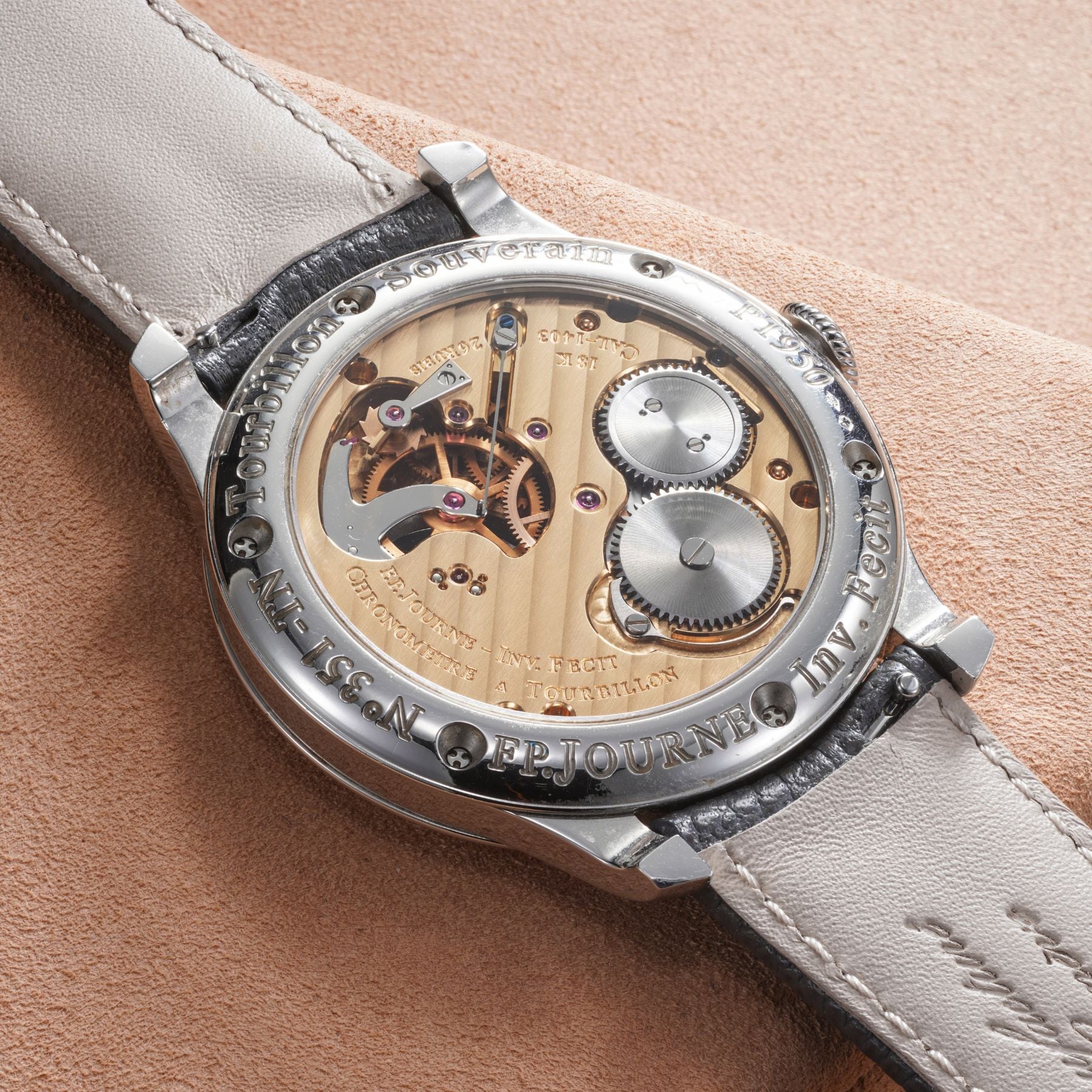
Lot 82: Back of the 2007 F.P. Journe Tourbillon Souverain Remontoir d’Égalité avec Seconde Morte in platinum, included in the Phillips Geneva Sessions, Fall 2026, Online Auction. Estimate: CHF 200,000–400,000
However, the concept at the center of the watch stayed the same: a tourbillon supplied through Journe’s one-second remontoir d’égalité. And that one-second cycle had given Journe another idea.
A Natural Second
Deadbeat seconds had existed in horology long before the Tourbillon Souverain. The principle is straightforward: rather than sweeping continuously around the dial, the seconds hand remains stationary before jumping forward at one-second intervals.
In his 2005 catalogue, Journe discussed three historical ways watchmakers had achieved the effect. One relatively simple system used an additional gear train driven from the escape wheel, but Journe considered it highly detrimental to timekeeping precision.
Journe’s solution took advantage of something his watch was already doing. The remontoir in the original T already operated once per second. With Calibre 1403, Journe used that existing one-second action for the seconds indication, calling it seconde morte naturelle – natural deadbeat seconds.
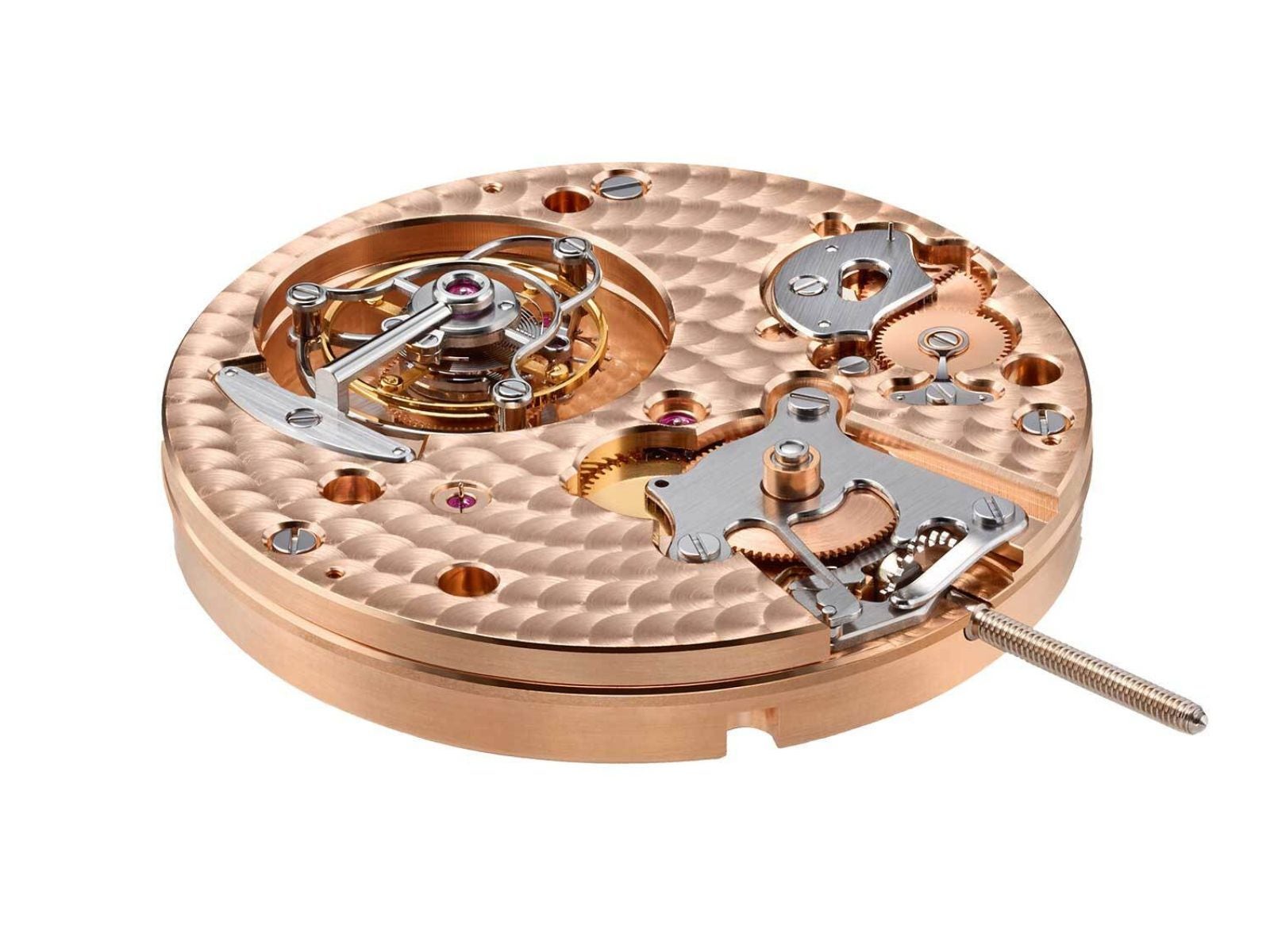
Calibre 1403 of the Tourbillon Souverain Remontoir d’Égalité avec Seconde Morte. F.P. Journe
“The latter is mounted on one of the wheels of the constant-force device and cannot in any way affect the precision of the watch,” Journe explained in 2005.
The change was immediately apparent on the dial. On the original T, an aperture at 6 o’clock allowed the wearer to observe the remontoir itself. On TN, that opening gave way to the deadbeat-seconds display. In short, the T showed the remontoir, while the TN harnessed its one-second action to show what it did.
Other updates included the relocation of the power reserve from around 10 o’clock to 12, giving the dial a different balance, with its main indications creating a series of triangular relationships across the composition.
A New Chapter
The new Tourbillon Souverain Ref. TN quickly received significant recognition. In 2004, it won the Aiguille d’Or, the top prize at the Grand Prix d’Horlogerie de Genève. Calibre 1403 would remain the mechanical basis of Tourbillon Souverain TN until production ended in 2018.
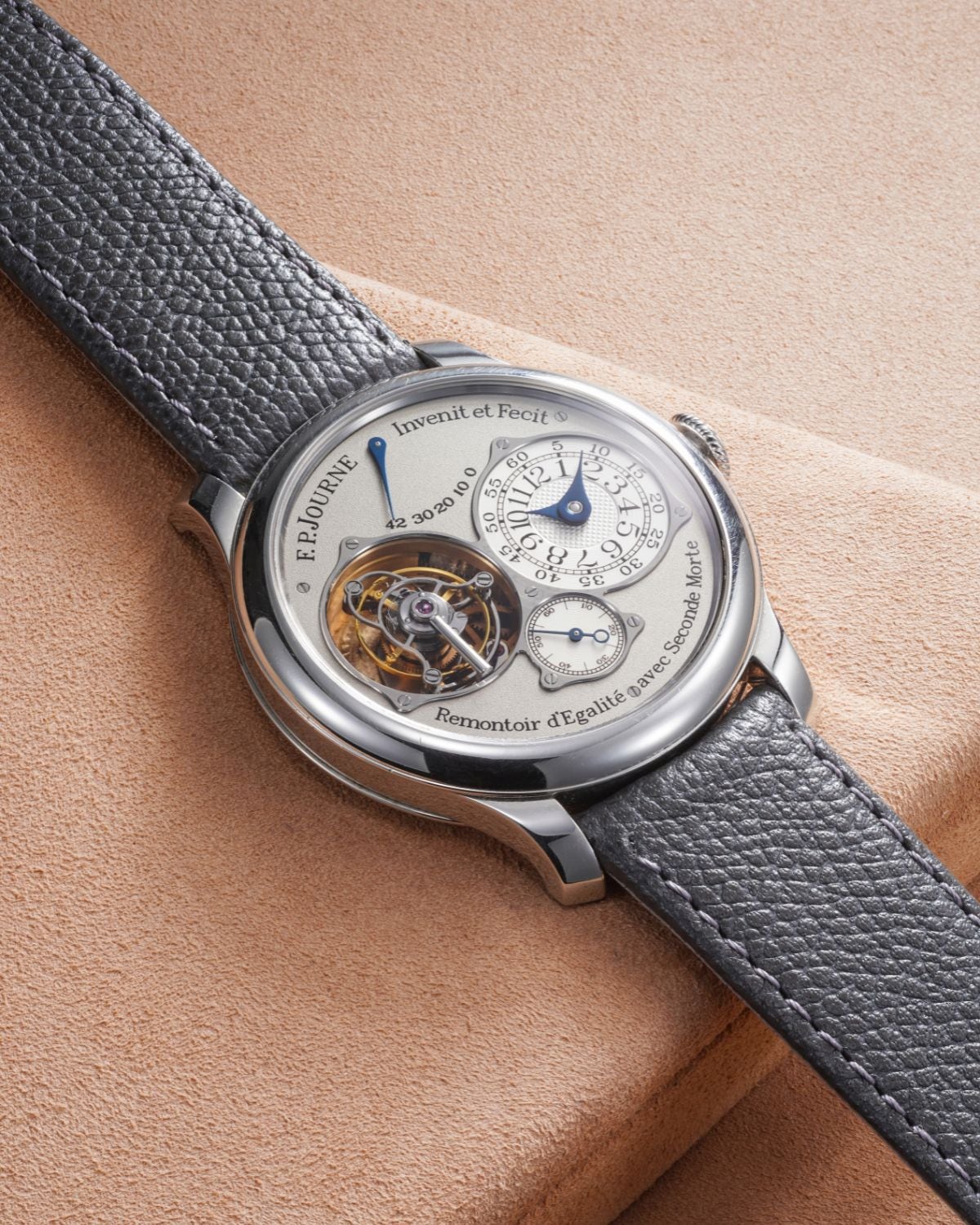
Lot 82: A 2007 F.P. Journe Tourbillon Souverain Remontoir d’Égalité avec Seconde Morte in platinum, included in the Phillips Geneva Sessions, Fall 2026, Online Auction. Estimate: CHF 200,000–400,000
The example offered in The Geneva Sessions dates from 2007, three years after the Ref. TN’s public launch. Featuring a 40mm platinum case and white-gold dial, it comes from the early years of a watch that grew directly from Journe’s original Tourbillon Souverain while substantially reconsidering how its central idea could be expressed.
You can learn more, place a bid, and view the entire Geneva Sessions, Fall 2026, catalog here.