Article | Modernism An International Vanguard Phillips Editions London Auction Septermber 2026
Modernism: An International Vanguard
Moving through Modern masterworks ahead of our inaugural Editions Modernism sale in London.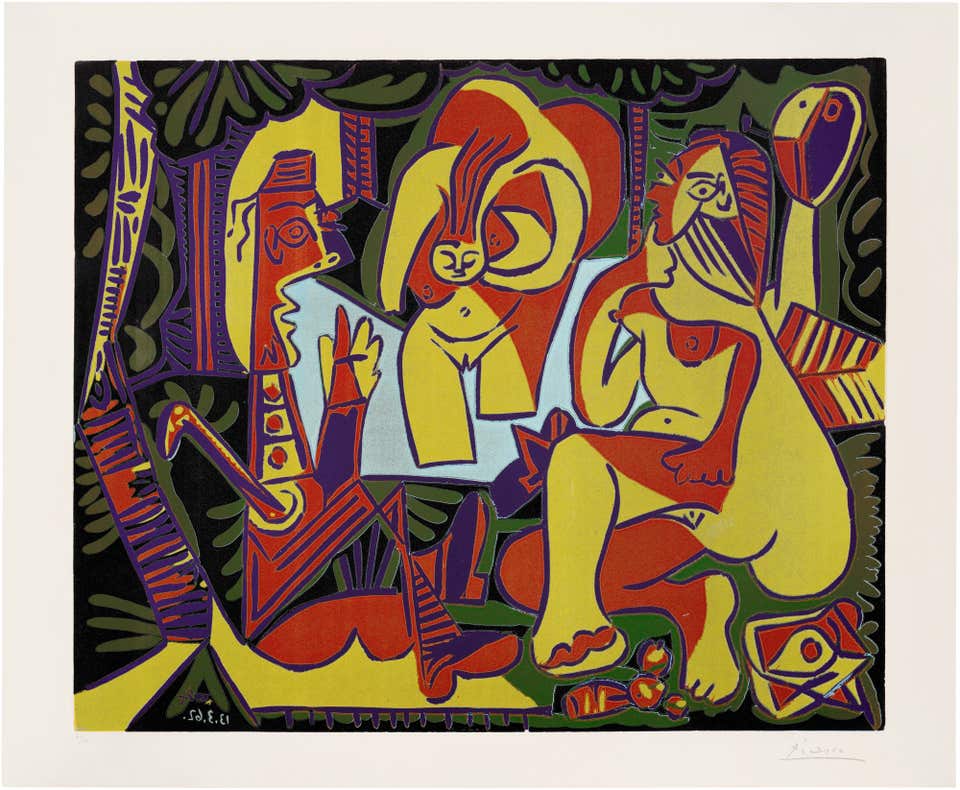
PABLO PICASSO, Le déjeuner sur l'herbe, d'après Manet I (Luncheon on the Grass, After Manet I), 1962. MODERNISM London.
Psychological and surreptitiously subversive, the wake of late nineteenth-century industrialization, technological development, and Bohemian progressive thought was seen by artists as a break from tradition that radically reshaped visual culture. Modernism was not confined to a single studio or city, but was a movement born in transit. Artists, poets, and thinkers rejected academic hierarchies and experimented with an avant-garde lexicon of abstract self-expression. Phillips’ debut Modernism sale in London invites the viewer on a journey across the most significant epicenters that brought this international zeitgeist to fruition. From the fragmentation of Fauvism to the total abstraction of Constructivism, Modernism challenged the premise of what art was and could be, resulting in a varied, turbulent body of work that remains a fruitful territory for discovery.
Nordic Desire
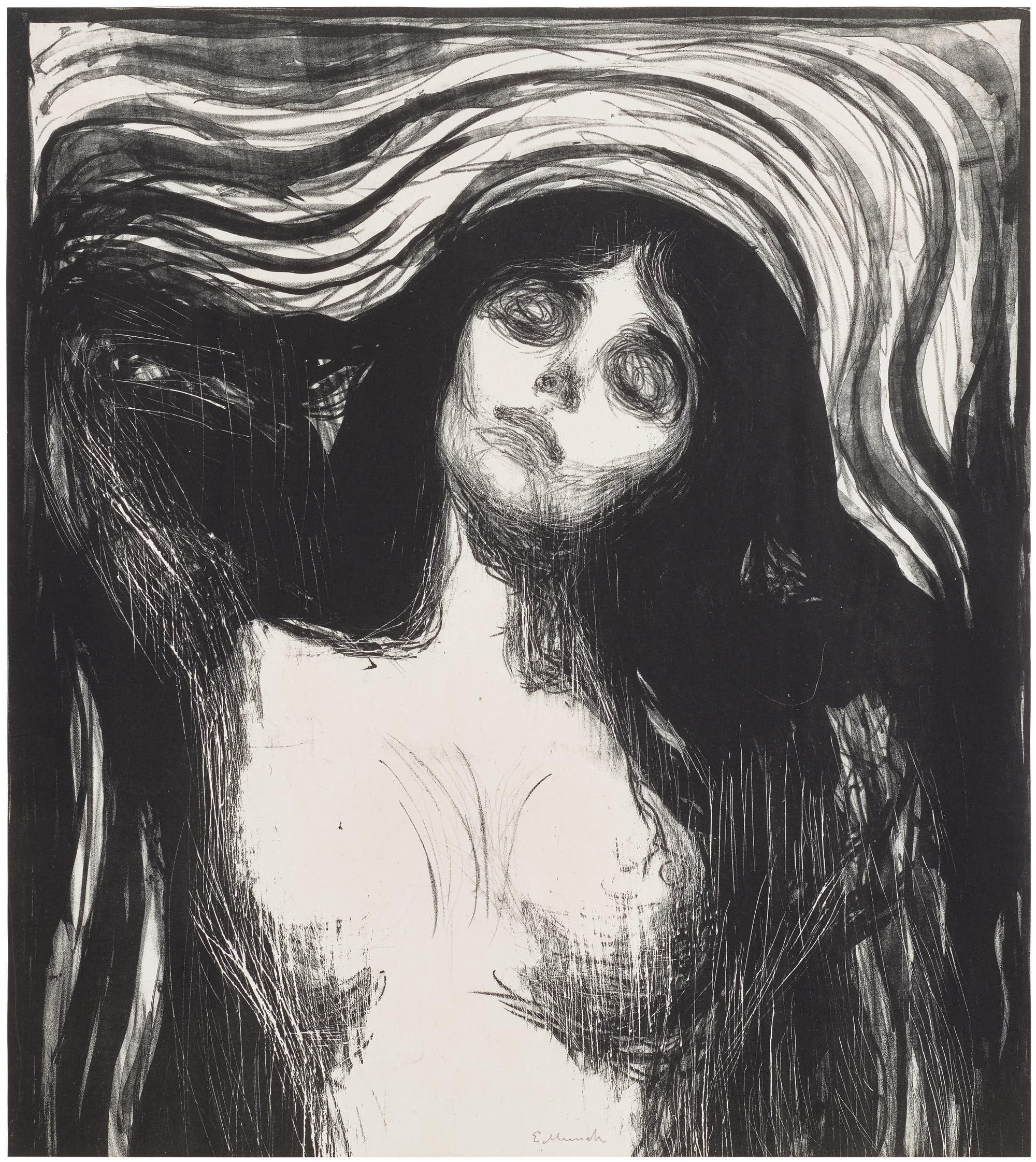
EDVARD MUNCH, Madonna, 1895. MODERNISM London.
The journey begins in the North, amidst the dramatic contrasts of Norway, where endless midsummer days give way to an encompassing darkness. The winter Mørketid sets the scene for Edvard Munch's theatrical visual language. The artist created Madonna, one of his most breathtakingly evocative lithographs, after the memory of his intoxicating muse Dagny Juel, a writer and model celebrated for her wild, uninhibited spirit. Entwined in an intense love affair, Munch and Juel swept into Berlin in 1892, chasing artistic freedom in the then-capital of the European avant-garde, before she eventually left a maudlin Munch to marry novelist Stanisław Przybyszewski.
“Was it because she took my first kiss that she took away my life’s breath?” —Edvard Munch
In a stroke of irony, Przybyszewski crowned this portrait with its famous title. Originally named Loving Woman, the subject offers a sacrilegiously radical counterpoint to the Virgin Mary, replacing pious chastity with a triumphant celebration of female desire. Captured from the intimate vantage point of a lover, the woman floats within a euphoria at the moment of conception, yet, at the same time, there is a palpable morbidity. Madonna is emblematic in its rejection of societal and religious conformity and its powerful sexual liberation, both key tenets promoted by contemporary Bohemian circles. It is also, however, a portrait infused with a unique melancholy: her glowing halo and closed eyes are laced with a transient sorrow personal only to the artist himself.
The Bohemian Vanguard of Paris
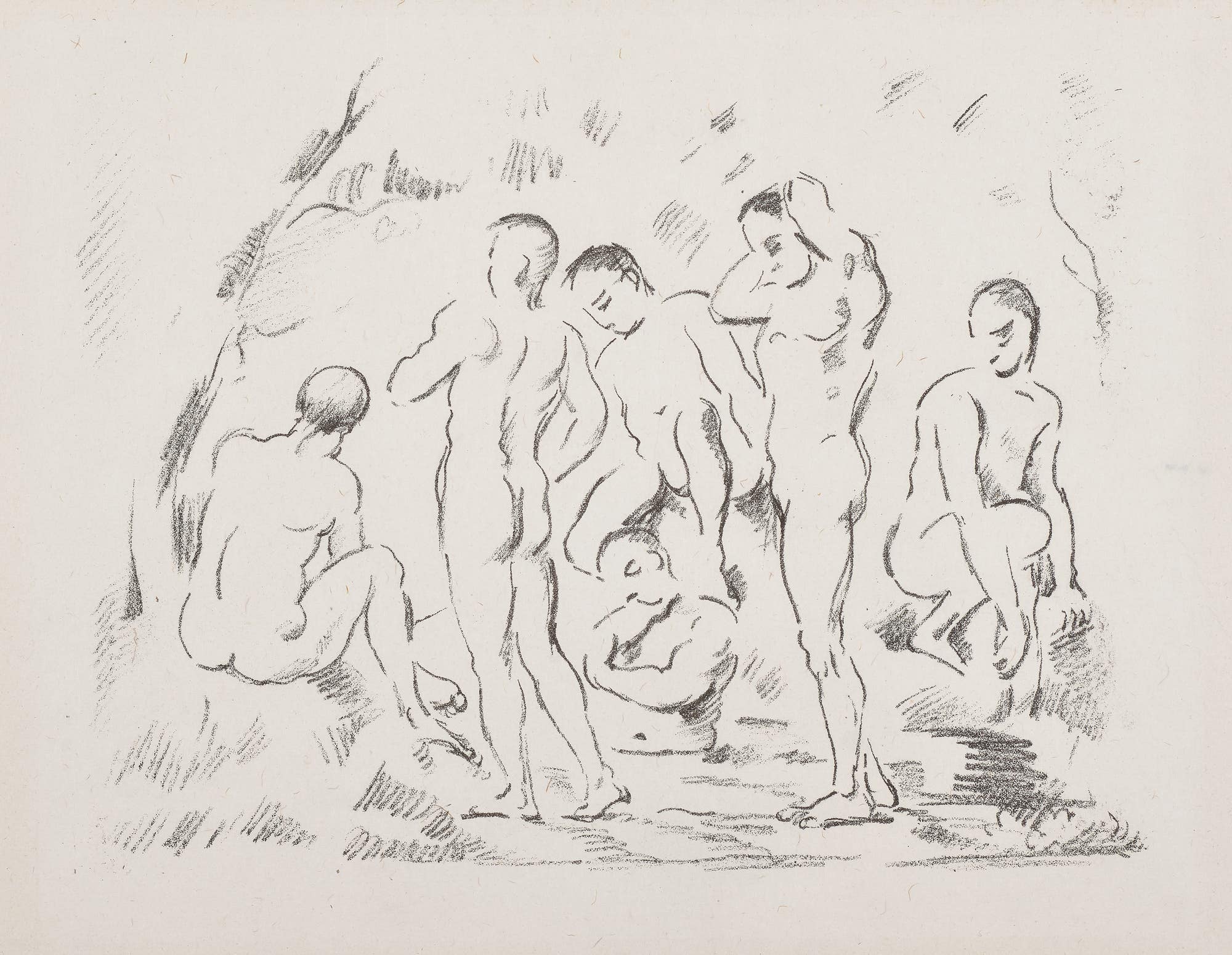
PAUL CÉZANNE, Les baigneurs (petit planche) (The Bathers, Small Plate), 1897. MODERNISM London.
Across the border are the cobbled streets of Paris. Here, in the winding hilltop streets of Montmartre, we enter a smoke-filled café where a young Pablo Picasso and a curly-haired Georges Braque rewrite the rules of art. Galvanized by Paul Cézanne’s landmark 1906 retrospective, the pair watched in awe as nature was stripped down and replaced by unrendered hues and basic shapes, as exemplified in Les baigneurs (petit planche). Abandoning centuries of single-point perspective, Picasso and Braque tore apart the tradition born of Renaissance ideals of high art, creating, in their destructive wake, a new style directly on the café tables of the Bohemian North: Cubism.
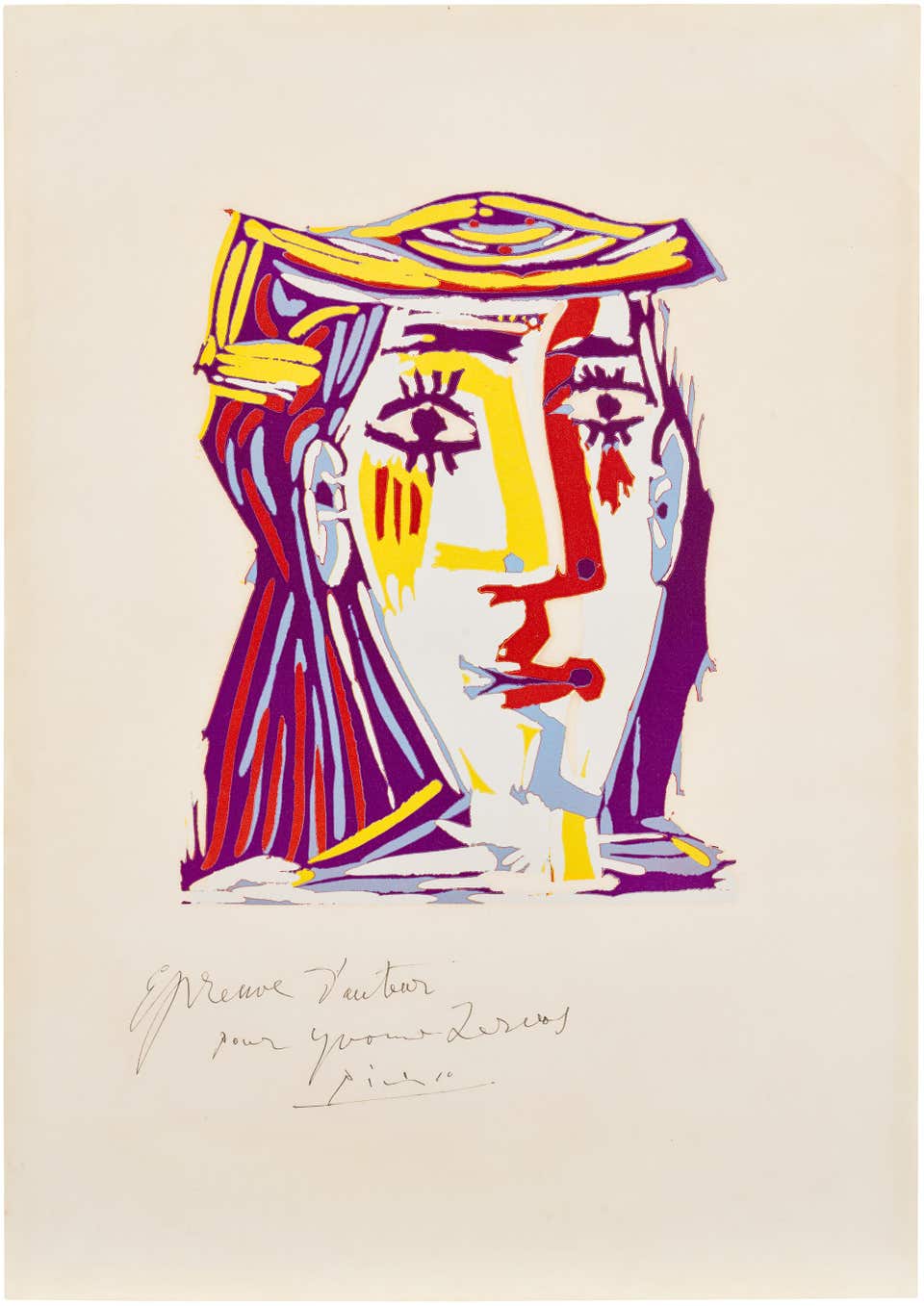
PABLO PICASSO, Portrait de Jacqueline au chapeau de paille multicolore (Portrait of Jacqueline in a Multicoloured Straw Hat), 1962. MODERNISM London.
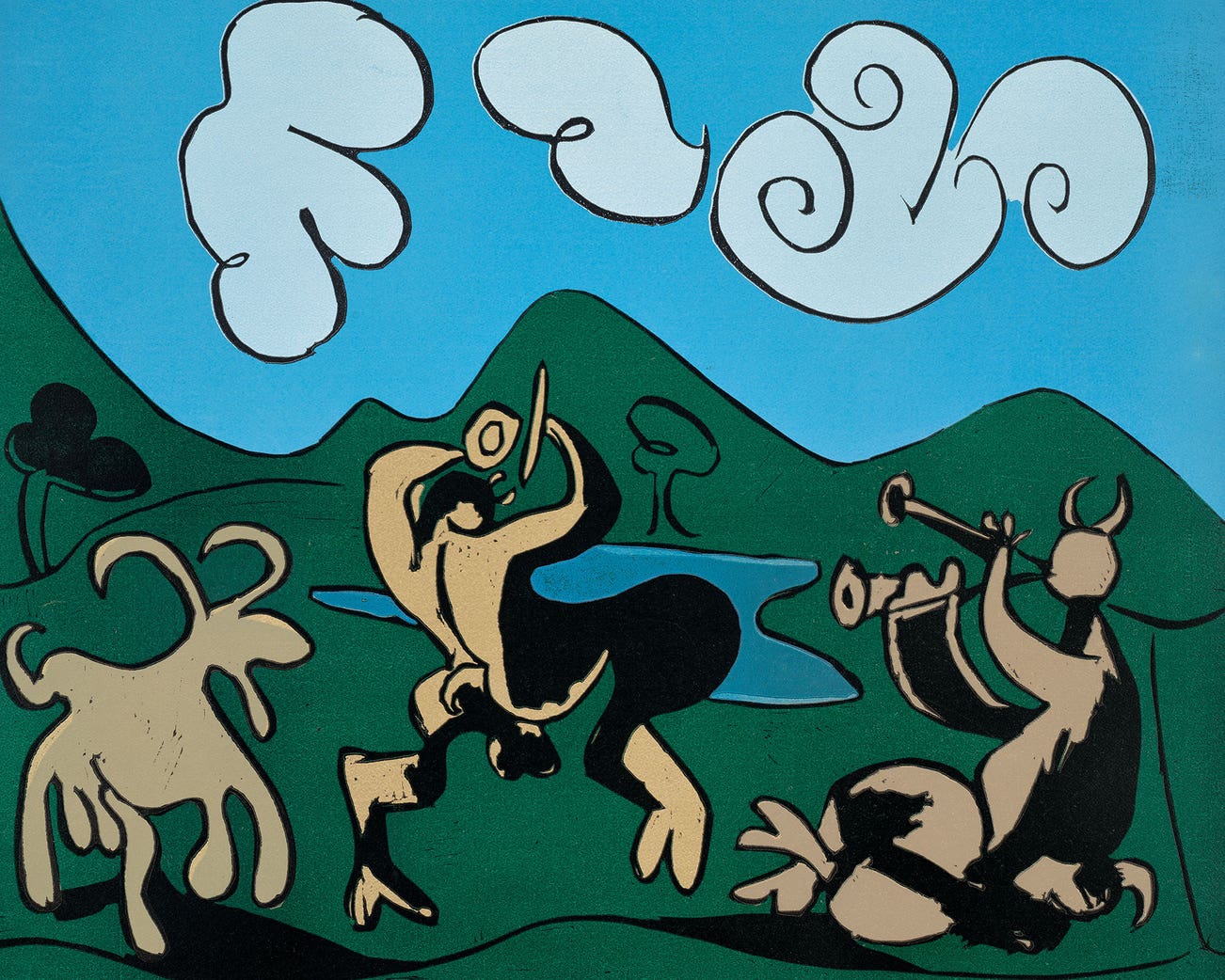
From his sensitive early etchings that charter the quiet, melancholic realism of the street performers in La Suite des Saltimbanques, to the exuberant Portrait de Jacqueline au Chapeau de Paille Multicolore, Picasso was restless in his innovative creation. Pioneering the reduction linocut technique, a process that allowed him to create faster and more spontaneously, Picasso revolutionized printmaking, with his broad oeuvre typifying some of the most enigmatic and experimental works of the Modern period.
The Metaphysical Catalonian Spirt
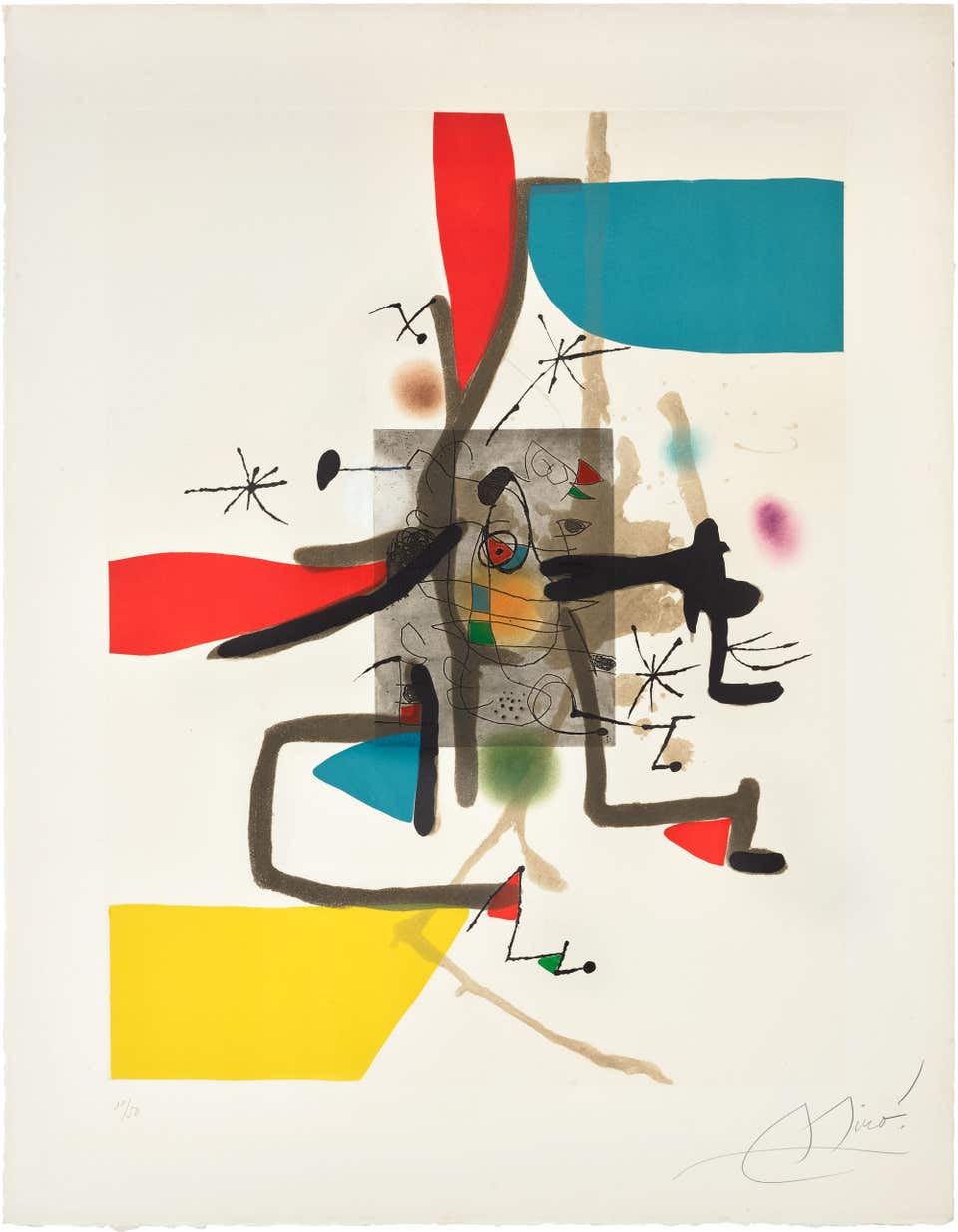
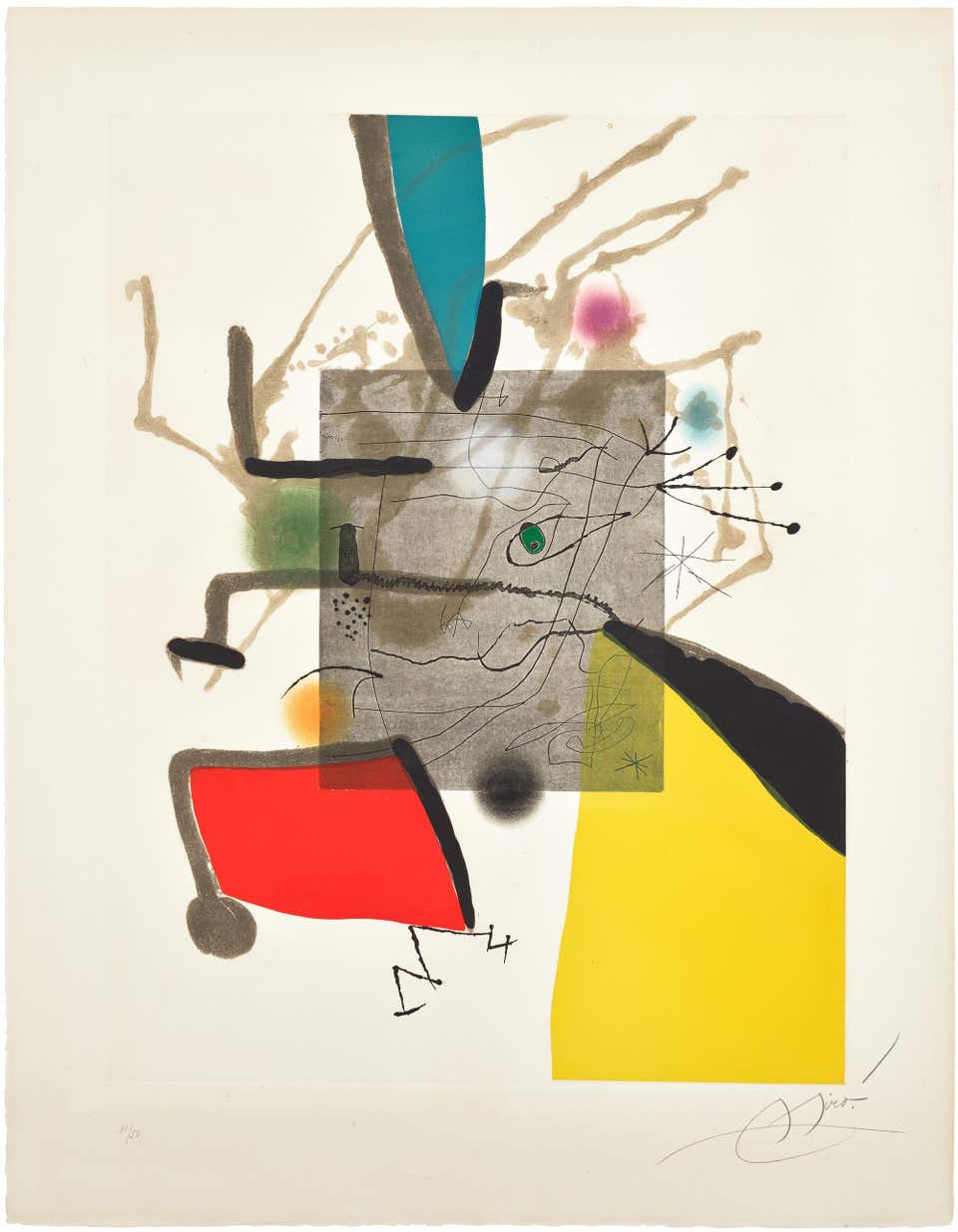
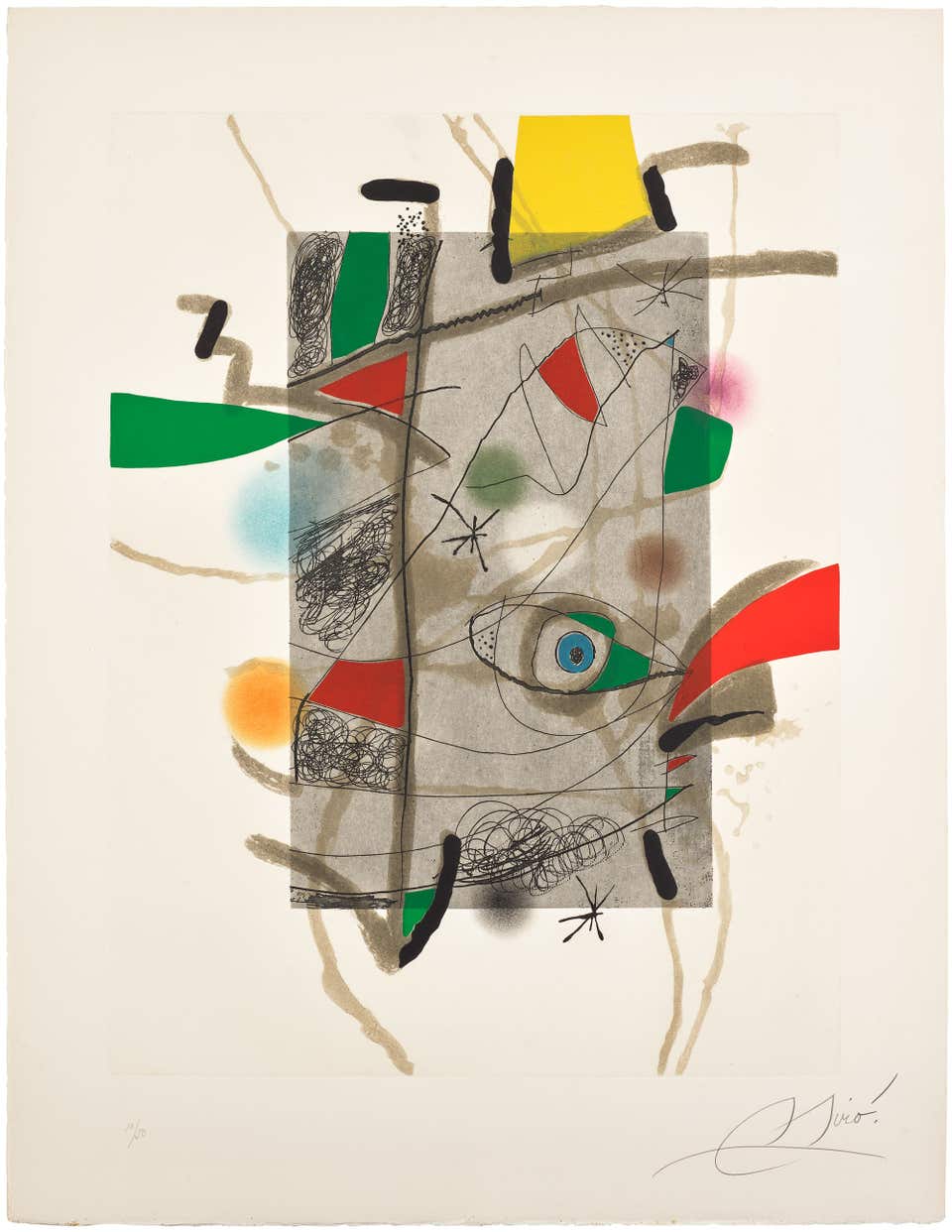
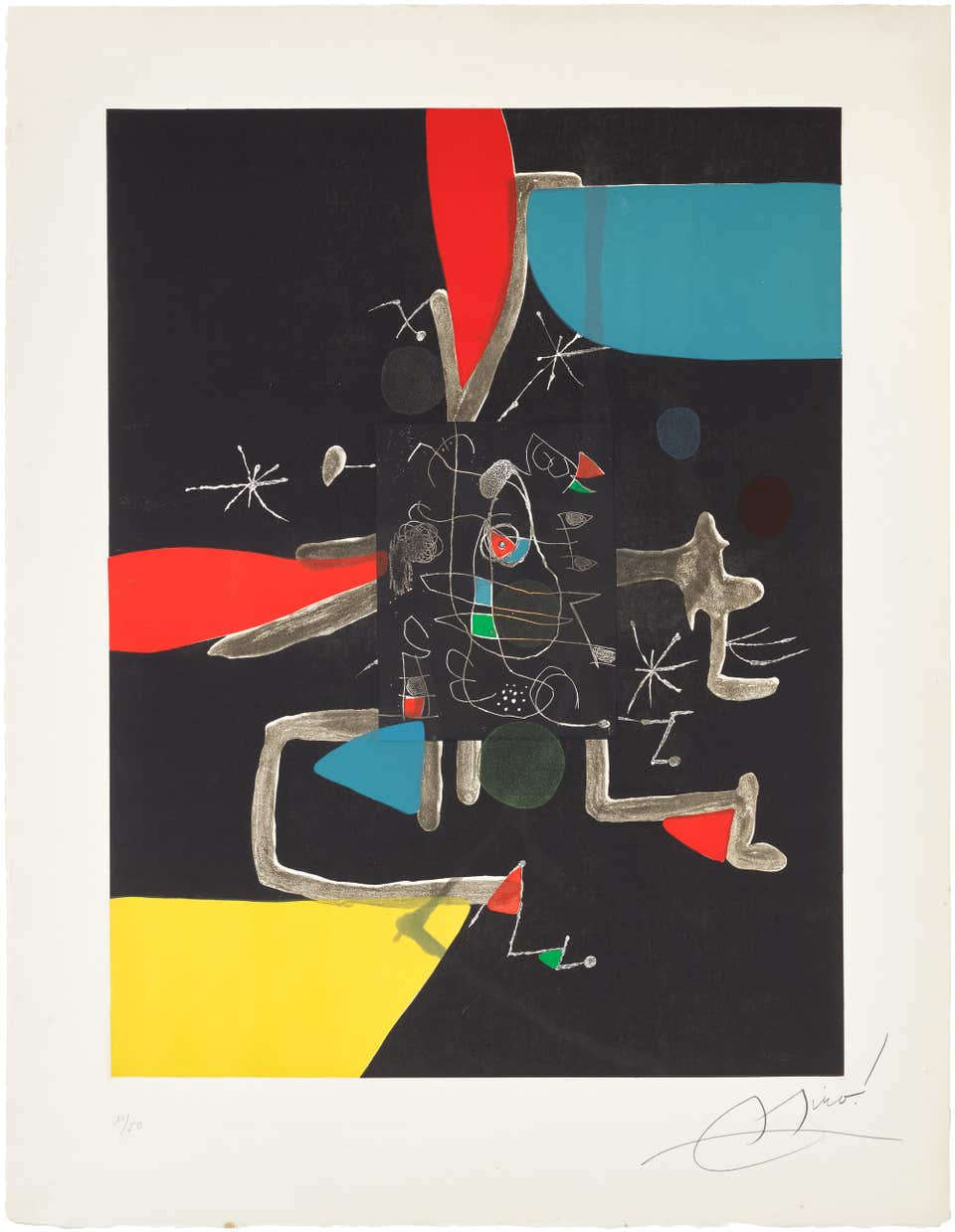
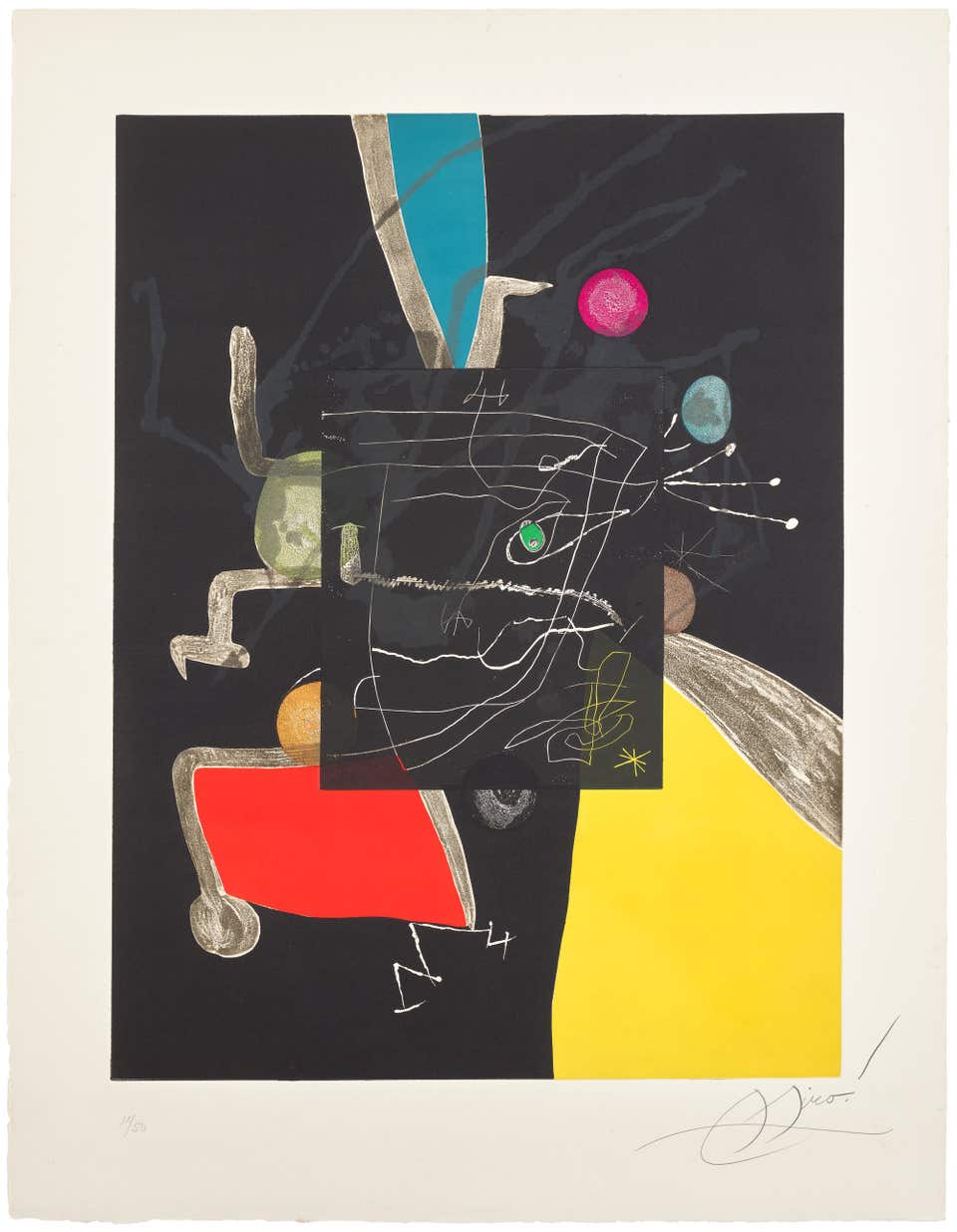
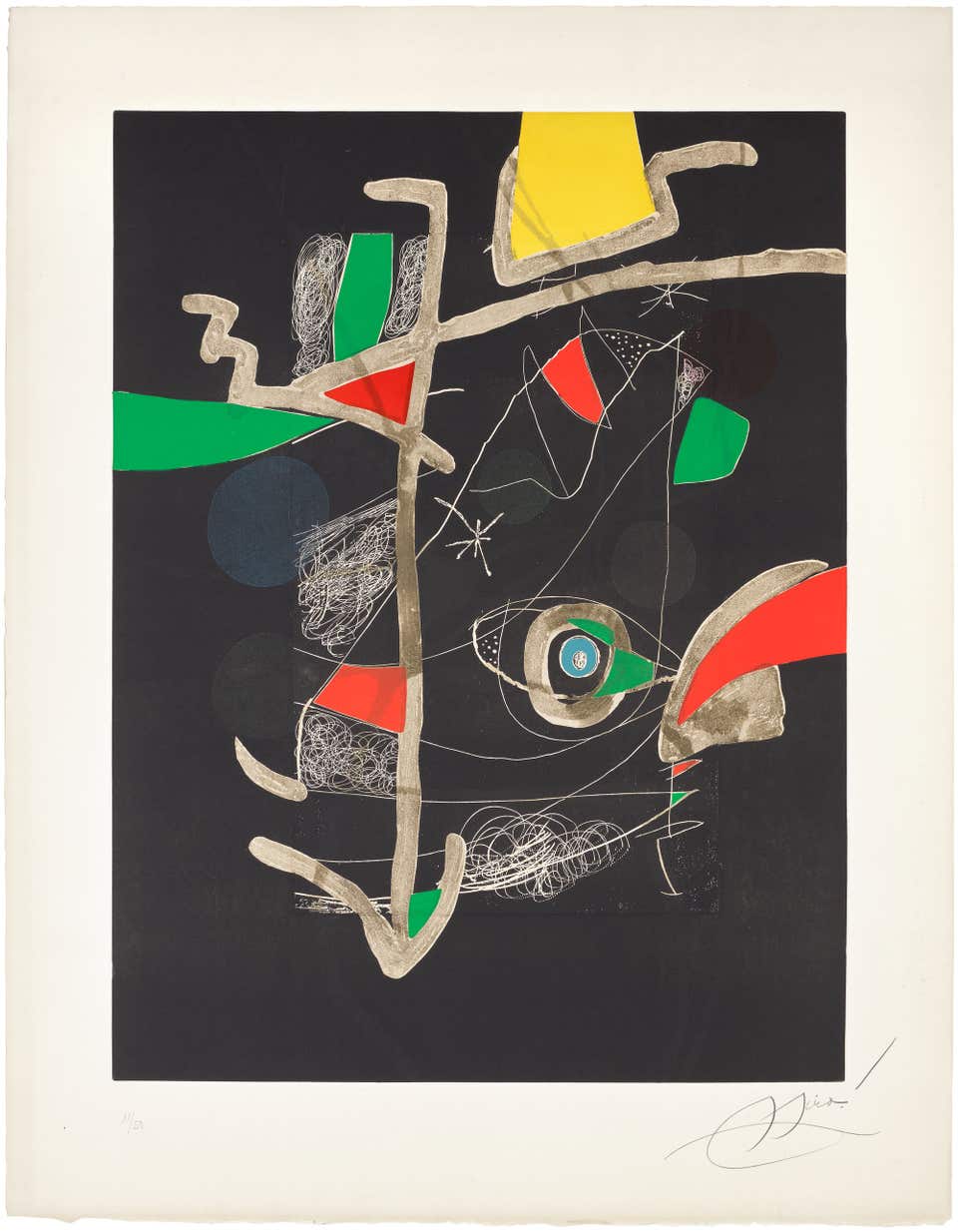
JOAN MIRÓ, Llibre dels sis sentits (Book of the Six Senses), 1981. MODERNISM London.
Born in Barcelona, a city with a proud cultural identity dating back to pre-Roman antiquity, Joan Miró was shaped by a land in the midst of a Modernist renaissance. Following decades of economic hardship, the turn of the twentieth century sparked a vibrant revival across Catalonia, allowing the arts to flourish and giving birth to Catalan Modernisme. Through a vivid palette of primary hues, warm earth tones, and expressive black calligraphic marks, Miró grounds his visual language directly in the landscape, folk traditions, and artistic lineage of Catalonia.
Beyond honoring his heritage, Miró stripped away conventional reality altogether, inventing an abstract universe driven purely by form, colour and subconscious feeling. Created in collaboration with the celebrated poet Miquel Martí i Pol, Llibre dels sis Sentits subverts the basic notion of our physical senses through a series of radical abstract visions. Much like the synesthetic compositions of Wassily Kandinsky, Miró’s floating forms and vivid hues unfold like a celestial across a theatre of pure abstraction. The portfolio’s mysterious "sixth sense” emerges not as sight or sound, but as intuition, poetic perception, and the deep metaphysical link between the Catalan spirit and the wider cosmos.
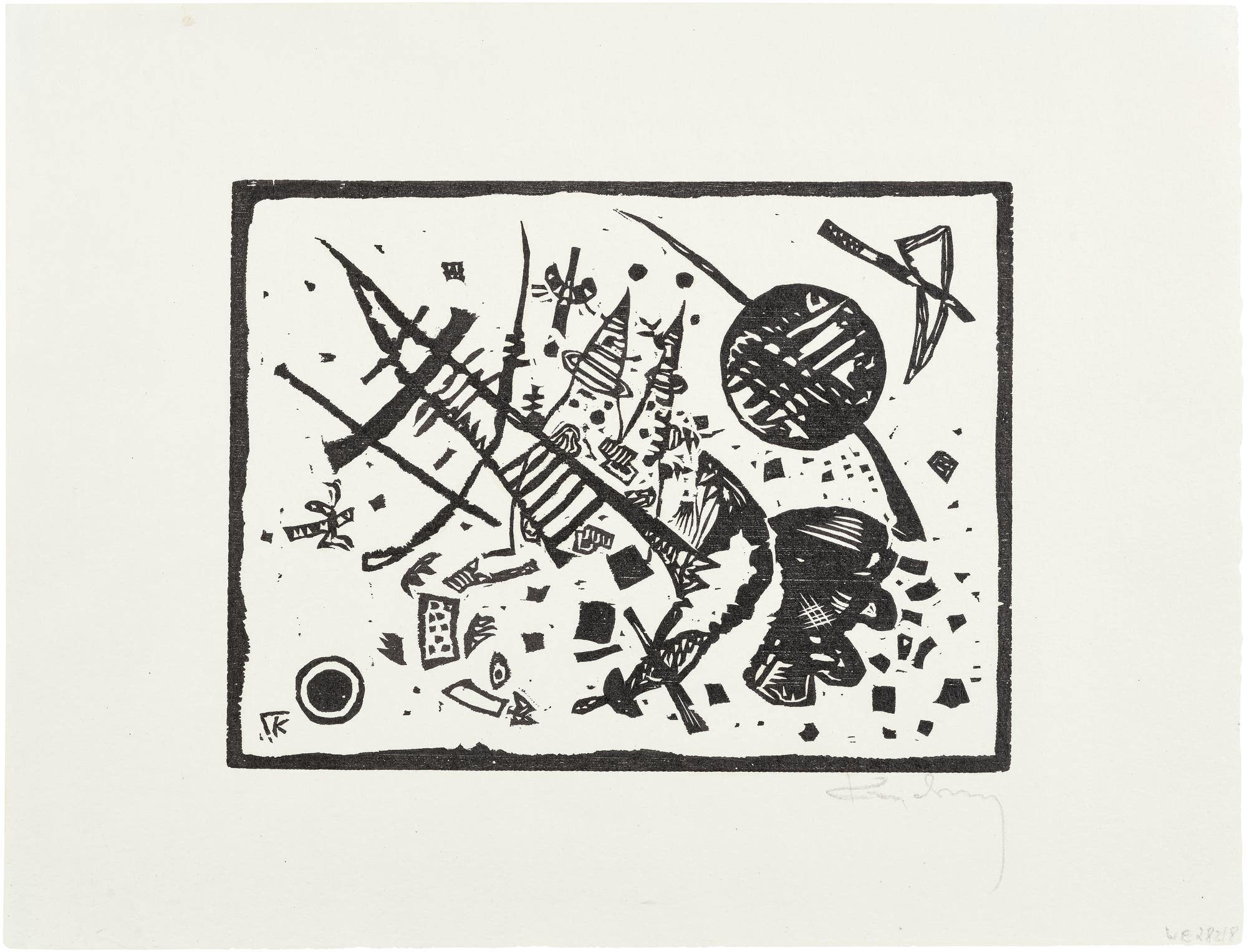
WASSILY KANDINSKY, Holzschnitt für die Ganymed-Mappe (Woodcut for the Ganymede Portfolio), 1924. MODERNISM London.
Memory, Loss and the Chagallian Dream
Although there was much to celebrate in the progressive age of Modernism, the period was also marred by the devastating conflict. The World Wars shattered the foundational optimism of early Modernism, forcing artists into confrontation with trauma, displacement, and survival. Chief among them was Marc Chagall. Born in the Russian Empire, Chagall witnessed the turmoil of the First World War, the destruction of his Jewish homeland under communist rule, and the terror of Nazi-occupied Vichy after seeking refuge in France. Subsequently fleeing to America, where his beloved first wife, Bella, tragically died, Chagall returned to Europe in 1948 a changed man.
While his post-war works initially bore dark, grievous depictions of suffering, Chagall eventually returned to his whimsical dreamscapes, using joy as a form of resistance to preserve what war stole. La Joie de Vivre is set against a twilight-blue night and serves as a testament to this endurance. As a giant figure of the mature artist carries a nude Bella on his back while she lies across a bed of flowers, floating through a village of traditional Russian izbas, or log houses, surrounded by a herd of farm animals. By stepping outside of linear chronology, Chagall recaptures his youth and suspended memories, creating an eternal world that the horrors of the century could never fully erase.
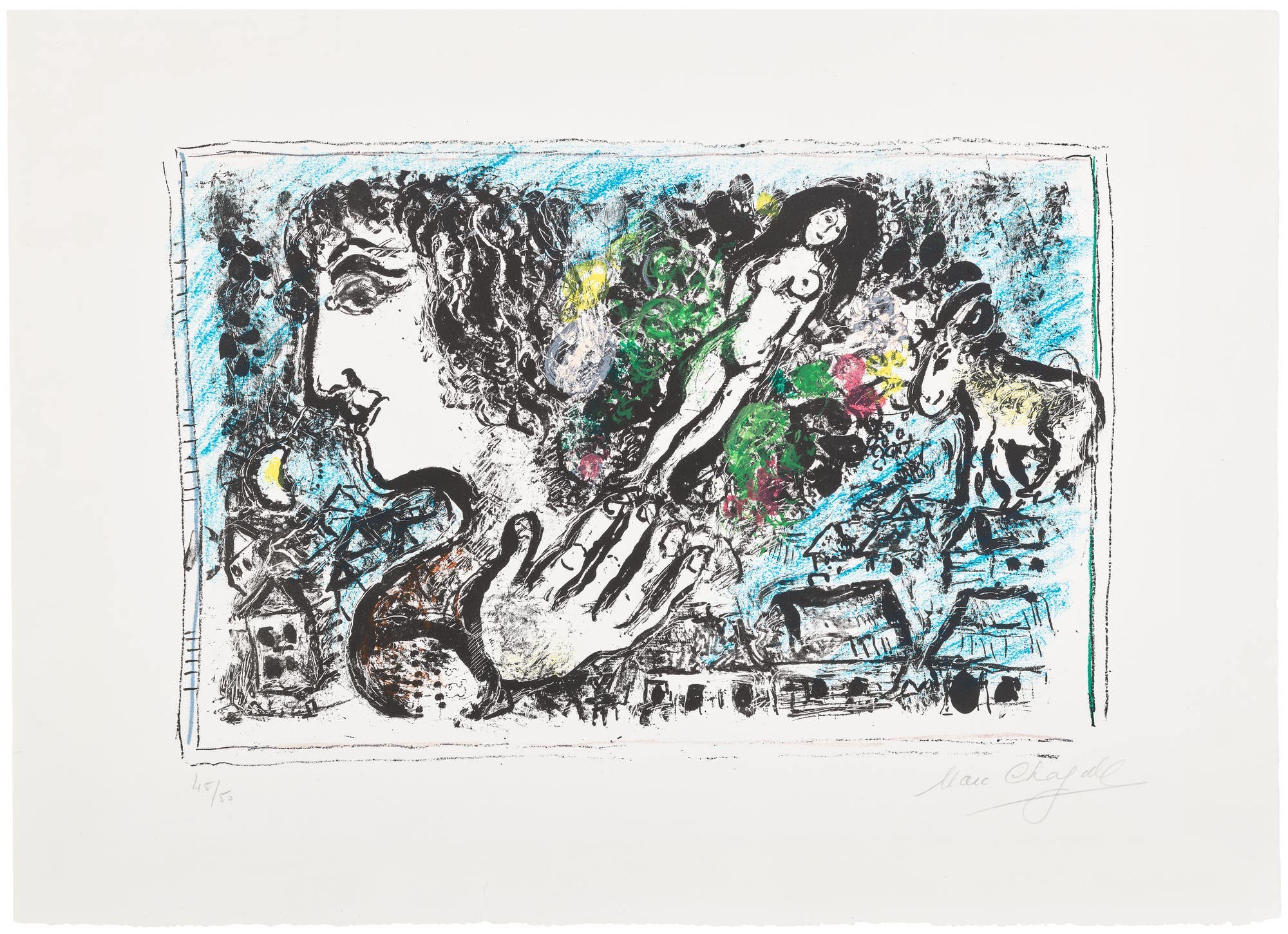
MARC CHAGALL, La joie de vivre, 1967. MODERNISM London.
Modernism is a multi-dimensional puzzle far larger than any single narrative can capture, built upon layers of revolutionary theory and artistic rebellion. What binds these distinct practices is their decisive rupture with the nineteenth century academic canon, dismantling inherited conventions to establish entirely new, autonomous visual languages on paper. As ideas migrated from the frozen fjords of Norway through the smoky cafés of Paris down to sun-soaked Catalonia, our sale offers a tantalizing taste for the avant-garde and an array of exceptional examples by the greatest Modern masters.